
40-75 HP Industrial Screw Compressor: Heavy-Duty Performance

In industrial operations, the factors that have to be considered are above all reliability and efficiency. The industrial screw compressor with a capacity of 40-75 HP is a strong machine, which was intended to deal with the heavy requirements of extreme applications in different industries. These compressors are used in places like manufacturing plants and construction sites, and they make a constant delivery of high-pressure air, which is the main process for smooth running. But what are the unique features that differentiate them from other alternatives, and why are they so often preferred by industrial workers? We will investigate in this post the special features, performance benefits, and key factors influencing the decision for the suitable screw compressor for your requirements. This guide will provide you with the essentials you need to make a well-informed decision whether you are improving your existing equipment or looking for ways to increase your operational efficiency.
Overview of Rotary Screw Air Compressors

What is a Rotary Screw Air Compressor?
A rotary screw air compressor is classified as a gas compressor that employs a positive-displacement rotary mechanism to compress air. It works by seizing the ambient air between two interlacing helical screws, also termed rotors, and gradually compressing it while passing through the screws. One of the main advantages of this design is that it allows for non-stop operation, high efficiency, and the production of a constant stream of compressed air, thereby suiting industrial applications. In addition, rotary screw compressors are known for their durability, low energy consumption, and the capability of long hours of operation with only a little maintenance.
Advantages of Rotary Screw Air Compressors
The application of rotary screw air compressors benefits greatly, contributing to the tool’s necessity in an industrial setting. The energy consumed by the rotary screw compressor is much less than that of other types of compressors when considering their continuous operation which in turn results in the company receiving periodic interruption of compressed air supply. In addition, these compressors are built to last long, and at the same time their maintenance requirements are minimal, thus productivity is increased and downtime is decreased. They can also be used in various applications ranging from manufacturing to construction. In addition, they are quieter operating machines, thus increasing comfort and safety in the workplace.
Uses of 40-75 HP Compressors
The 40-75 HP compressors are flexible and can be used in different industries. In the production sector, they are indispensable for the operation of tools that run on air, the fitting of automata and the routing of materials, thereby ensuring smooth and efficient operations. The construction industry makes use of such compressors for activities like blasting with sand, making holes through the ground, and dismantling and moving huge tools and machines. These compressors are also a must in garages where cars are painted, and there is a need for inflating tires and operating pneumatic tools. Also, their reliability and low energy consumption factor make them suitable for food processing, pharmaceutical, and other industries that require a consistent supply of compressed air. These compressors provide the necessary power and performance that meet the varying requirements of different operations; thus they are a great asset to many industries.
40 HP Air Compressor Features
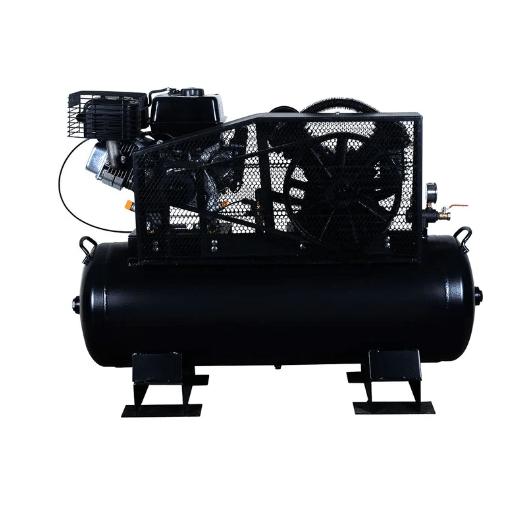
Specifications and Performance Metrics
The 40 HP air compressor is manufactured with high-grade specifications that give the long run and trustworthiness. It can commonly provide an ultimate pressure of up to 150 PSI along with a very high air delivery rate, which is characteristic of industrial applications that are very demanding. The energy-saving motor not only gives constant power supply but also consumes very little energy. The lifespan of the compressors is prolonged since they are made of very strong materials that can resist tough working conditions. Moreover, they are sometimes provided with very efficient cooling systems to counter the effect of overheating during continuous use. As a result, many compressors are equipped with features such as easy-to-use controls for hassle-free operation, noise suppression technology to reduce the impact on the workplace, and safety measures to improve reliability.
Energy Efficiency and Operating Costs
Energy-efficient compressors have a major influence on operating costs in the long term, thus, they give the users a great chance to cut their energy consumption significantly. A current study indicates that compressors usually use about 30% of a plant’s energy. When companies buy energy-efficient versions with variable speed drives (VSD), they may lower energy by 15-35% which is subject to the application and the model used. Moreover, intelligent monitoring systems that are found in modern compressors are often the ones that optimize performance and thus, they are the only ones that consume energy when necessary; thus, they contribute to further reduction of power bills. The energy savings realized in the long run can be higher than the initial investment cost, making them a metabolic solution for industrial operations.
Maintenance Requirements for 40 HP Compressors
The 40 HP compressors require regular maintenance in order to perform well and last as long as they are supposed to last. The main activities include changing and cleaning the air filters to keep them open and not getting clogged, checking and tightening the belts to keep the slippage down to a minimum, and keeping an eye on the oil levels to make sure that the parts are movable. The removal of waste from the cooling system occurs regularly to avoid heat buildup, and the valves are checked for leaks or wear. The scheduling of routine inspections, the observance of the manufacturer’s service intervals, and the use of smart monitoring systems can all facilitate the early detection of problems and subsequently the reduction of downtime.
50 HP Air Compressor Advantages

Comparative Performance with Lower HP Models
A 50 HP air compressor, when compared with models that have less horsepower (HP, gives a pretty big boost in operational capacity and efficiency. All these applications need large amounts of power, so it becomes an ideal option for companies that have a high demand for compressed air. A 50 HP compressor’s capability commonly means better airflow that is measured in Cubic Feet per Minute (CFM), thus making it possible to work consistently even with heavy workloads.
On the other hand, low HP models are only good for small tasks and intermittent use; they may not even meet the performance standard during prolonged or intensive operations which are the usual case in practical application. Moreover, 50 HP compressors come with the latest technology like variable speed drives (VSDs) and greater energy efficiency that contribute to their lower operational costs in the long run. For the industries that need reliability, scalability, and high performance, upgrading to a 50 HP model is usually the most practical choice.
Features of 50 HP Compressors
The 50 HP screw compressor has to be one of the best air compressors for the industrial plant since it is packed with many features and other desirable factors. One of the key features that these types of compressors come with is variable speed drives (VSDs), which allows very accurate control to the maximum and at the same time reduce energy consumption. They are made really tough, and the way they are built guarantees that they would not only perform but also deliver quality even when working under very harsh conditions. Their capacity to deliver a lot of air makes them suitable for very big operations that need constant air supply. And of course, at times, the ease of operating and maintaining through friendly interfaces makes proper functioning much easier and efficient overall. All in all, these digital skills make the 50 HP screw compressor a super-tier selection for the business that values both performance and economy.
Industrial Uses of 50 HP Compressors
50 HP screw compressor the problem that the common industrial sector solve with them are the factors around their power reliability and efficiency, then they are all over the place. The most common areas of operation are using compressed air for operating pneumatic tools in manufacturing plants, feeding production lines in the auto industry, and powering the pumps in the textile industry. Moreover, they are often found in food and beverage processing areas where they are responsible for air clean and for making aseptic packaging materials. Plus, these compressors are needed in chemical and drug-making industries to help in those processes that require controlling the air quality. Their adaptability and excellent performance make them a “must-have” in places with heavy and continuous operations.
75 HP Screw Compressor Capabilities

Understanding the Power and Efficiency
The 75 HP screw compressor stands out due to its enormous power and operational efficiency, which makes it suitable for major industrial applications. This type of compressor is designed to produce air pressure that remains constant while consuming less power. Thus, the users will eventually save money as the operational costs decrease. There can be the latest high-tech models that frequently have the variable speed drive (VSD) and remarkable heat recovery systems as their characteristics. It is through these techniques that performance has been optimized by adapting the output to the demand and also recycling the wasted heat. Recent data show that these features make the entire process of sustainability easier, especially since the businesses’ cutting down on eco-friendly solutions has been largely influenced by the increase in the cost of energy. With the incorporation of these high-tech capabilities, the 75 HP screw compressors give the impression of being high-performance at little resource cost hence they can fill both the operational and ecological needs.
Typical Use Cases in Heavy-Duty Operations
Aerosol producing machines, pneumatic tools, and electric generators are some of the 75 HP screw compressors’ typical applications in heavy-duty operations found in manufacturing, construction, and mining sectors where the supply of high-quality and reliable compressed air is of utmost importance. These evenly distributed energy-demanding areas are perfectly facilitated by the compressors: electric consumption is cut down when performance is optimized for pneumatic tools, production lines, and material handling systems. Moreover, the repurposing of waste heat during their operation is a factor that further supports the total energy efficiency projection in an era of adopting sustainable and cost-effective industrial solutions. The trickle-down effect of these features is high productivity levels along with the environmental concern and the operational cost being reduced.
Integration with Industrial Systems
Air compressor technology has been greatly improved with modern features and is now capable of being finally applied in conjunction with different industrial systems thus ensuring smooth operations. Automated processes are where they find their main application and are monitored and controlled in real-time through the usage of advanced software and IoT-enabled systems. Improved system reliability is one of the benefits of this integration besides that it also allows predictive maintenance, which in the end results in less downtime and lower costs that come unexpectedly. It is also worth mentioning that their flexibility in meeting diverse operational requirements is one of the reasons why they can be so easily assimilated to the already existing setup, thus making them a versatile solution that can be applied in different sectors.
Choosing the Right Compressor for Your Needs
Factors to Consider When Selecting a Compressor
I have several important factors to consider when selecting a compressor to make sure it fits my requirements. The first thing is to check the pressure and flow rate which will be necessary for my application. Then, I think about the type of compressor—like rotary, reciprocating, or centrifugal—according to how efficient and suitable it is. Energy consumption is another critical factor since it affects operational costs directly. Moreover, I take into consideration the area for installation and the noise produced by the compressor. Finally, I look at maintenance needs and reliability over time to make sure I get a cost-effective and durable solution.
Understanding CFM and PSI Ratings
CFM (Cubic Feet per Minute) and PSI (Pounds per Square Inch) are the most important ratings that affect an air compressor’s performance. CFM tells how much air the compressor can supply, which is very important to prevent any air shortages of your tools or application. PSI, on the contrary, tells the pressure at which the air is coming out, and that the equipment is working efficiently. If the tasks are heavy, high PSI levels are needed, while proper CFM guarantees continuous airflow. It is vital to balance these two ratings to select the correct compressor for your needs not only to avoid performance issues but also to ensure efficiency.
Cost vs. Performance Analysis
In the analysis of cost versus performance, it is of utmost importance to consider your needs and the specifications of the air compressor. Higher performance models with increased CFM and PSI ratings usually are more expensive, but they can be trusted to meet the toughest applications and be efficient at the same time. On the other hand, going for a less expensive model might still be the case for light-duty jobs but may turn out to induce inefficiencies or even damage the machine if it gets overworked. Hence, the balance point would be your operational needs assessment, along with the long-term maintenance cost factor, and giving durability and energy efficiency the leading role to get the best value out of your investment.
References
-
Design Considerations For A 66,000 HP Motor Driving An Air Compressor
Texas A&M University Repository -
Heat Pump and Air Conditioning System Analysis Based on Variable Speed Compressor
Temple University ScholarShare -
An Experimental Study of Compressor Stability in a 450 kW Helicopter Gas Turbine Engine
MIT DSpace
Frequently Asked Questions (FAQ)
What are the differences of a rotary screw compressor with 40hp vs. a drive rotary screw air compressor?
A 40hp rotary screw compressor usually indicates the power and internal design of the airend, however, a drive rotary screw air compressor points out the transmission and motor coupling method; both aspects influence the efficiency and reliability. The main parts are the airend, the motor (usually 460V 3-phase), the inlet filtration, aftercooler, and discharge piping. Selecting a unit with an integrated refrigerated air dryer and receiver tank can help in cutting down condensate and moisture-related problems and also in providing a smaller footprint. If it’s for industrial use, then better efficiency motors, TEFC enclosures, and controllers that allow longer service intervals and reduced maintenance should be considered. Depending on the type of filtration, whether it is oil-free or lubricated, plus compatibility with accessory packages (like solenoid valve, heat exchanger, enclosure), this will ensure high productivity and long life.
What is the maintenance schedule for the filter elements of an Ingersoll Rand rotary unit?
The filter maintenance of an Ingersoll Rand rotary machine consists of periodic checking and changing of inlet and oil filters to block contaminant ingress and safeguard the airend and compressor package. The intervals tend to depend on usage in hours and location, but it is very important to check filters during scheduled service and replace consumables elements before flow restriction occurs. Good quality filtration and a built-in refrigerated dryer do help to maintain control over moisture and condensate, which in turn reduces the wear of the downstream equipment. Filter maintenance not only increases the efficiency and reliability but also cuts the energy consumption and the life of lubricated systems and bearings. Always have spare filters, oil and a planned maintenance log to keep uninterrupted operation.
Is a 40 hp compressor capable of 125 psi supply and what is the suggested flow rate?
It is possible for some 40 hp compressors to be set in such a way that they can deliver compressed air at the pressure of 125 psi, but it would be better to check the pressure rating, duty cycle and airend capacity of the specific model before setting such discharge pressure. The suggested flow rate will be based on the specific arrangement of the compressor—hp rotary screw air compressors and duplex configurations provide different capacity and redundancy options—so better seek the performance curves for the required CFM at 125 psi. The correct sized receiver tank, aftercooler, and refrigerated dryer will deal with the moisture and pressure fluctuation during peak demand so using them is a must. The controller and safety devices must be configured to the specified pressure in order to safeguard the system and downstream tools. For energy-efficient operation, it is good to match the compressor package, voltage (e.g., 460V), and motor kw to your plant’s compressed air demand pattern.
Would there be less maintenance and fewer moisture issues if a refrigerated dryer is added to a 40 hp compressor package?
Definitely, installation of a refrigerated dryer drastically diminishes the amount of moisture in the compressed air thus decreasing the rate of corrosion that is related to condensate and prolonging the period of usability of downstream components such as filters, valves, and air tools. The use of a built-in refrigerated air dryer or a separate refrigerated one along with the proper filtration can get rid of almost all the moisture, thus improving the quality of the product and reducing the amount of troubleshooting time. Besides, the presence of refrigerated dryers and aftercoolers also reduces the load on desiccant systems if they exist and, consequently, cuts down on the replacement of consumables. Properly sized dryers will bring about efficiency and reliability that is producing drier discharge air and reducing the frequency of maintenance. It would help if the dryer capacity matched the compressor’s CFM and operating pressure to ensure that it can adequately remove the moisture.
What components should I inspect for efficient operation of a 40-hp ingersoll unit?
For the best performance, look over not only the airend but also the motor and coupling (drive), inlet and oil filters, oil level and quality, aftercooler, condensate drains, refrigerated dryer (if fitted), and the receiver tank. Also, check electrical connections (voltage and 3-phase balance), TEFC enclosure integrity, controller diagnostics, solenoid valves, and any integrated controls or cabinets for faults. Keep an eye on discharge pressure and flow rate to ensure that the system is not oversize, thus preventing unnecessary cycling which increases energy costs and affects reliability over time. Make it a routine to change consumables and do preventive maintenance so that you can enjoy longer service intervals and reduced maintenance costs. Keep a record of inspections, replace worn parts before failure, and use genuine parts to maximize productivity.