
Medium Pressure Air Compressor Solutions for Reliable Compressed Air Performance
Air compressors play a pivotal role in various industrial applications by converting power into potential energy stored as pressurized air.When standard low-pressure systems can’t deliver the force you need, and high-pressure is overkill—medium-pressure compressors provide the perfect balance of power, efficiency, and reliability for critical industrial operations.
Multi-Stage Design
Heavy-Duty Construction
Advanced Cooling
Integrated Safety
What defines a medium-pressure air compressor?
Medium-pressure air compressors deliver compressed air between 145 PSI and 1,160 PSI (10 to 80 bar), bridging the gap between low-pressure workshop compressors and high-pressure specialized systems. Perfect for continuous, heavy-duty industrial applications requiring reliable performance and efficient operation. This process involves a motor that drives the compression mechanism, leading to air being stored under pressure. The compressed air can then be used for various applications, from simple tasks like inflating to complex industrial operations.

Proven Advantages for Medium Pressure air Applications
Our medium-pressure air compressor systems are purpose-built to deliver 145-1,160 PSI with maximum efficiency, reliability, and performance for industrial applications.
Intercoolers between stages and comprehensive aftercooling reduce air temperature from 300°F+ down to ambient +15°C. Removes 90%+ moisture before it enters your air system, protecting downstream equipment.
Forged steel crankshafts, cast iron cylinders, and industrial-grade valves handle the stress of medium-pressure operation. Designed for 20-30 year service life with proper maintenance.
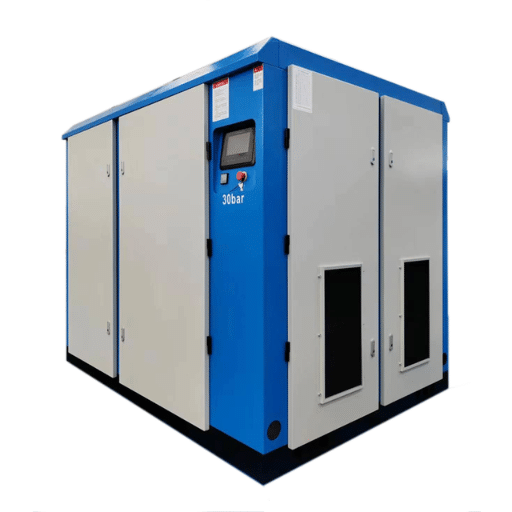
Microprocessor-based controls maintain pressure within ±2 PSI of setpoint. Variable speed drive (VSD) options automatically adjust compressor speed to match air demand, eliminating wasteful loading/unloading.
Skid-mounted with integrated forklift pockets, structural tie-downs, and compact footprint for easy installation anywhere.
Medium Pressure Air Compressor Specifications and Performance Data
| Feature | Low-Pressure (< 145 PSI) | Medium-Pressure (145-1,160 PSI) | High-Pressure (> 1,160 PSI) |
|---|---|---|---|
| Pressure Range | 25-145 PSI (2-10 bar) | 145-1,160 PSI (10-80 bar) | 1,160-6,000 PSI (80-400 bar) |
| Compression Stages | Single stage | 2-3 stages with intercooling | 3-5 stages |
| Typical Applications | Pneumatic conveying, textile | PET blowing, tools, testing | Breathing air, gas storage |
| Energy Efficiency | Good at low pressure | Optimized for range | High energy consumption |
| Equipment Cost | $5,000-$30,000 | $15,000-$80,000 | $40,000-$200,000+ |
| Maintenance | Low to moderate | Moderate (8,000-16,000 hrs) | High complexity |
| Operating Costs | Low | Moderate | High |
| Installation | Simple | Standard industrial | Complex, special foundations |
| Cooling Requirements | Basic air cooling | Intercooler + aftercooler | Extensive water cooling |
| Air Quality Options | Standard to good | Excellent, oil-free available | Ultra-high purity |

Why Choose Our Medium-Pressure Compressors?
Proven Reliability
Decades of trusted performance with 20-30 year product lifecycle expectations. Built by industry leaders with legendary reliability.
Superior Lubrication
Integrated oil pumps provide forced lubrication to all critical components, extending the life of cylinders, pistons, and valves.
Efficient Operation
99% condensate removal efficiency with integral inter-stage separators and minimal system pressure loss.
Versatile Options
Available in lubricated or oil-free models, with multiple drive configurations including electric motors, diesel engines, or turbines.
Custom Solutions
Standard packages or fully customized engineered solutions to meet your specific requirements and applications.
Industrial Applications for Medium-Pressure Air Compressors
Manufacturing
Power pneumatic tools, automated assembly lines, and material handling systems
Oil & Gas
Petroleum refineries, wellhead servicing, natural gas compression, and pipeline operations
Maritime
Ship engine starting, deck operations, and onboard compressed air systems
Construction
Heavy-duty pneumatic tools, jackhammers, and sandblasting equipment
Mining
Ore processing, drilling operations, and underground ventilation systems
Maintenance and Care for Medium Pressure Compressors
Routine Maintenance Practices
- Routine maintenance is vital to ensuring the longevity and reliability of medium pressure air compressors. Regularly inspect the compressor for signs of wear, such as leaks or abnormal noises, which may indicate underlying issues. Clean or replace air filters periodically to maintain efficient air flow and prevent contamination. Additionally, check electrical connections and safety controls to ensure they are functioning properly. Implementing a consistent maintenance schedule not only enhances the compressor’s performance but also reduces the risk of unexpected breakdowns and costly repairs.
Importance of Lubrication
- Lubrication is a critical aspect of maintaining medium pressure air compressors, particularly for those with moving parts like pistons. Proper lubrication reduces friction, preventing wear and extending the lifespan of the compressor components. Regularly check oil levels and replace the lubricant as recommended by the manufacturer to ensure optimal performance. For oil-free compressors, ensure that all components remain clean and free of debris to maintain efficiency. Adequate lubrication practices are essential in minimizing downtime and avoiding excessive wear and tear.
Signs of Wear and When to Replace
- Recognizing signs of wear in medium pressure air compressors is crucial to prevent complete system failures. Common indicators include reduced air flow, increased noise levels, and frequent overheating. If you notice a drop in discharge pressure or inconsistent performance, it may be time to replace worn components or the entire compressor. Regularly monitor these signs and consult with a professional to determine the best course of action. Timely replacement or repair ensures continuous, reliable operation, safeguarding your industrial processes from interruptions.


Understanding Material Properties and Certifications
Medium-pressure air compressors are constructed using high-quality materials designed to withstand rigorous operational demands. Common materials include robust steel for the cylinder and durable components to ensure longevity and reliability. These compressors often carry certifications that verify compliance with industry standards, such as ISO and ASME, ensuring safety and performance. Certifications also underscore the commitment to delivering oil-free or lubricated air, depending on the model, to meet diverse industrial requirements and maintain air purity.
Performance metrics for medium-pressure air compressors are critical for assessing their suitability for specific applications. The pressure is measured in pounds per square inch gauge (PSIG), providing a clear indication of the compressor’s ability to meet operational demands.
Our Latest News
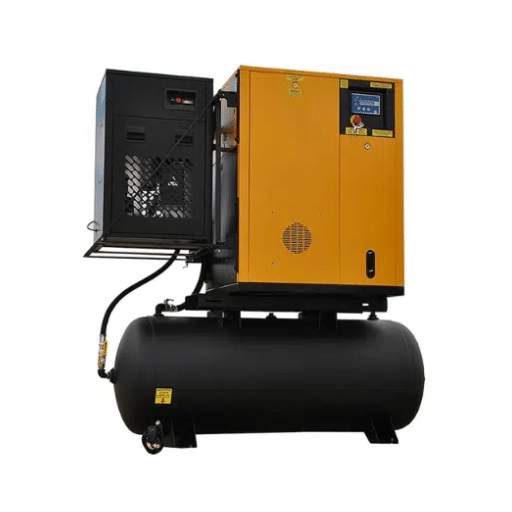
Screw Compressor Oil Carryover: Causes, Diagnostics, and Fixes
Read MoreScrew Compressor Oil Carryover: Causes, Diagnostics, and Fixes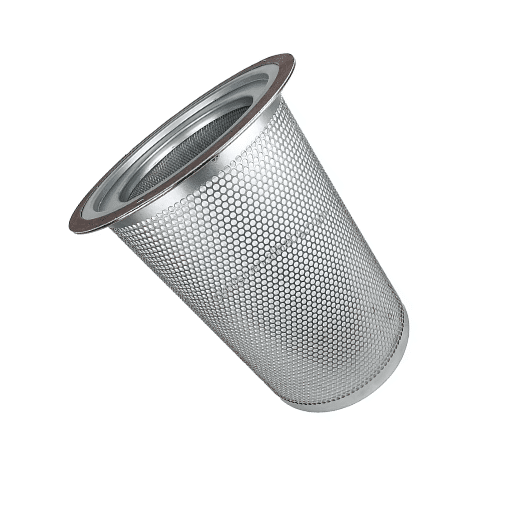
Screw Compressor Air Oil Separator: Replacement Guide
Read MoreScrew Compressor Air Oil Separator: Replacement Guide
Rotary Screw Compressor Oil: Types, ISO Grades, Intervals
Read MoreRotary Screw Compressor Oil: Types, ISO Grades, Intervals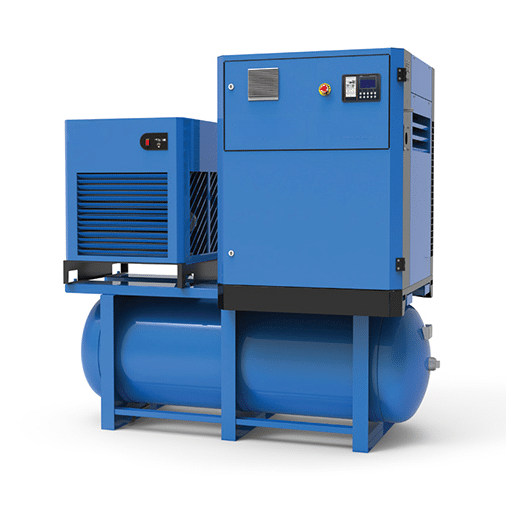
How Does an Oil-Injected Rotary Screw Compressor Work?
Read MoreHow Does an Oil-Injected Rotary Screw Compressor Work?Ready to Upgrade Your Compressed Air System?
Ready to invest in a medium pressure air compressor that meets your industrial needs? Request a quote today to explore our competitive pricing and product options. Our team will provide a comprehensive quote tailored to your requirements, ensuring you receive the best value for your investment. Don’t miss out on the opportunity to enhance your operational efficiency with our high-quality compressors. Contact us now to get started and experience the benefits of reliable and efficient air compression technology.
Frequently Asked Questions (FAQs)
Medium-pressure compressors function by drawing in atmospheric air through an inlet and compressing it to the desired pressure level using reciprocating or rotary mechanisms. The compressed air is then stored in a tank or delivered directly to the application. The efficiency of these compressors is enhanced by features like oil-free air systems, which eliminate contamination, and high-efficiency motors that reduce energy consumption.
Medium-pressure air compressors offer several advantages, including lower energy costs due to their efficient operation, reduced noise levels compared to high-pressure compressors, and the ability to provide quality air for sensitive applications. These compressors are also versatile, making them suitable for various industries, including manufacturing, automotive, and construction.
There are several types of medium-pressure air compressors, including piston compressors, rotary screw compressors, and centrifugal compressors. Each type has its unique advantages and is suitable for different operational requirements. Piston compressors are widely used for their simplicity, while rotary screw compressors offer continuous air supply with lower maintenance needs.
Medium-pressure air is commonly used in applications such as powering pneumatic tools, spray painting, and air-driven machinery. Additionally, it is essential for tasks that require a breathing air supply, where maintaining a specific pressure is crucial for safety and efficiency. These compressors are also utilized in industrial gas applications, where controlled air pressure is necessary.
When selecting a medium-pressure air compressor, consider factors such as the required pressure level, air flow rate, and the specific applications you intend to use it for. Additionally, evaluate the compressor’s efficiency, noise levels, and maintenance requirements. Consulting with compressor manufacturers can also help you find a model tailored to your needs.
Yes, medium-pressure air compressors can be used to supply breathing air, provided they meet specific quality standards for air purity. It is essential to use compressors designed for breathing air applications, which include advanced filtration systems to ensure the air is free from contaminants. This is critical for safety, especially in industrial environments where workers rely on breathable air.