
Efficient and Reliable Oil-Free Screw Compressors for Clean Air Solutions
The advent of oil-free air compressors has revolutionized industrial applications by providing clean, efficient, and cost-effective solutions for various air needs. Unlike traditional compressors that rely on oil for lubrication, oil-free air compressors deliver pure air without the risk of contamination. This technology is crucial in industries like food and beverage, pharmaceuticals, and electronics, where air purity is paramount.
Zero Oil Contamination Risk
Advanced Two-Stage Technology
Environmentally Sustainable
Critical Industry Compliance
What is an Oil-Free Screw Compressor?
An oil-free screw compressor is a type of rotary screw compressor that operates without the use of oil in the compression chamber. Unlike traditional oil-injected compressors, these compressors use advanced technology to ensure that the compressed air produced is completely free of oil contamination. This makes oil-free screw compressors ideal for applications where air purity is critical, such as in the food and beverage industry, pharmaceuticals, and electronics manufacturing.
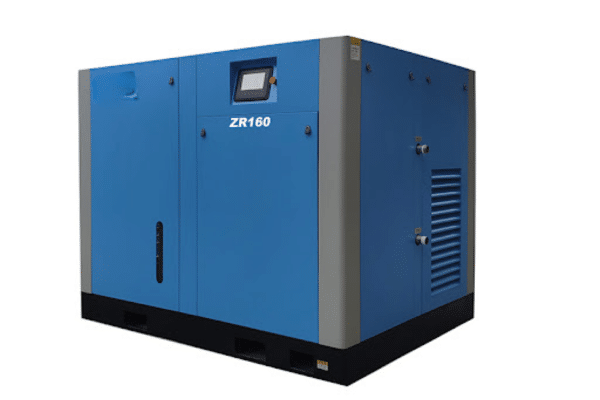
Proven Advantages for Oil-Free Screw Compressor Applications
The entire machine features a highly integrated design, minimizing complex piping and wiring. This streamlined construction leads to fewer potential points of failure and greater overall stability.
The compressor system is entirely oil-free, completely eliminating any risk of oil contamination in your air supply. This guarantees the purity required for sensitive applications.
Featuring isothermal compression, the unit operates at a temperature below 50°C. Its superior volumetric efficiency achieves energy savings of over 15% compared to traditional dry-type oil-free screw compressors.
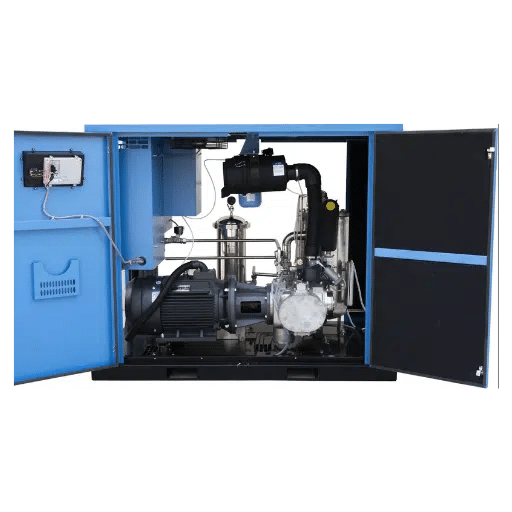
Equipped with intelligent controls and automatic protection functions, the compressor can achieve 24-hour unattended operation. It also supports remote control capabilities for enhanced convenience.
Utilizing fully intelligent CNC machining processes, the main unit runs with exceptional smoothness. This precision engineering results in lower operational noise and a considerably extended service life.
Explore Our Oil-Free Screw Compressor

Oil-Free Medical Grade Compressor
Designed for hospitals and clinics, these compressors deliver 100% oil-free, clean air essential for medical devices, patient care, and surgical tools.

Oil-Free Food & Beverage Compressor
Ensures contaminant-free air for food and beverage production, maintaining hygiene and meeting strict safety standards for consumable products.

Oil-Free Pharmaceutical Compressor
Provides pure, oil-free air for pharmaceutical manufacturing, ensuring compliance with stringent regulations and maintaining product integrity.
Oil-Free Screw Compressor Specifications and Performance Data
| MODEL | Capacity (m2/min) | Water Inlet 32℃ (T/H) | Water (L) | Power (KW) | Noise (dB(A)) | Outlet (INCH) | Dimension (WxDxH mm) | Weight (Kg) |
|---|---|---|---|---|---|---|---|---|
| WSV-10A | 1.2-0.8 | 2 | 10 | 7.5 | 58±2 | G3/4" | 800x800x1100 | 510 |
| WSV-15A | 1.6-1.1 | 2.5 | 26 | 11 | 60±2 | G3/4" | 1200x760x1300 | 620 |
| WSV-20A | 2.4-1.8 | 3.5 | 26 | 15 | 63±2 | G3/4" | 1200x760x1300 | 670 |
| WSV-25A | 3.1-2.1 | 4 | 30 | 18.5 | 65±2 | G1" | 1400x900x1450 | 720 |
| WSV-30A | 3.5-2.8 | 5 | 30 | 22 | 65±2 | G1" | 1400x900x1450 | 760 |
| WSV-40A | 5.1-3.6 | 7 | 40 | 30 | 68±2 | G11/4" | 1550x1150x1500 | 1050 |
| WSV-50A/W | 6.3-4.8 | 9 | 40 | 37 | 70±2 | G11/4" | 1550x1150x1500 | 1200 |
| WSV-60A/W | 7.4-5.6 | 10 | 90 | 45 | 70±2 | G2" | 1800x1300x1750 | 1450 |
| WSV-75A/W | 9.7-7.7 | 12 | 100 | 55 | 70±2 | G2" | 1800x1300x1750 | 1550 |
| WSV-100A/W | 13.0-9.7 | 18 | 100 | 75 | 73±2 | G2" | 1800x1300x1750 | 1650 |
| WSV-120A/W | 14.8-12.6 | 20 | 120 | 90 | 73±2 | G21/2" | 2200x1550x1800 | 2400 |
| WSV-150A/W | 19.8-15.6 | 24 | 120 | 110 | 78±2 | G21/2" | 2200x1550x1800 | 2550 |
| WSV-175A/W | 23.1-16.8 | 31 | 120 | 132 | 78±2 | G21/2" | 2200x1550x1800 | 2750 |
| WSV-200A/W | 28.1-22.5 | 36 | 160 | 160 | 80±2 | G3" | 3000x1800x2100 | 3800 |
| WSV-250A/W | 33.9-25.2 | 38 | 160 | 185 | 80±2 | G3" | 3000x1800x2100 | 4000 |
| WSV-280A/W | 36.8-29.1 | 42 | 200 | 200 | 80±2 | G4" | 3100x1850x2000 | 4200 |
| WSV-350A/W | 39.7-29.5 | 46 | 200 | 220 | 82±2 | G4" | 3100x1850x2000 | 4400 |
| WSV-420A/W | 43.5-34.1 | 52 | 200 | 250 | 82±2 | G4" | 3100x1850x2000 | 4600 |

How an Oil-Free Air Compressor Works
Air Intake and Filtration
Ambient air is drawn into the compressor and guided through advanced filtration systems, removing particulates to protect internal components and ensure high air purity.
Compression Stage
The compressor uses precision-engineered, oil-free cylinders and rings—often made of durable, self-lubricating materials—to compress air without introducing oil residues.
Cooling Process
Efficient integrated cooling systems, such as intercoolers and aftercoolers, dissipate heat generated during compression, stabilizing temperatures and enhancing operational efficiency.
Moisture Separation
Compressed air commonly passes through moisture separators and dryers. This process removes excess water vapor, further improving air quality and protecting downstream equipment.
Delivery and Control
The thoroughly conditioned, oil-free compressed air is regulated via intelligent control systems, ensuring consistent output pressure and flow tailored to specific application demands.
Oil-Free Air Compressor Applications Across Industries
Pharmaceutical Manufacturing
In pharmaceutical production, oil-free air compressors are used to prevent contamination during tablet coating, packaging, and conveying processes. This helps ensure that finished medicines comply with the strictest quality and safety standards.
Food and Beverage Processing
Oil-free compressors are integral to bottling, packaging, mixing, and conveying systems in food and beverage plants. They help safeguard product purity and support compliance with hygiene regulations enforced by global food safety authorities.
Electronics and Semiconductor Production
Precision electronics and semiconductor manufacturing require absolute air purity to avoid defects caused by oil vapors or particulates. Oil-free air compressors deliver the contamination-free environment necessary for these high-precision processes.
Healthcare and Medical Facilities
In hospitals and healthcare facilities, oil-free air compressors supply clean, dry air for respiratory equipment, surgical tools, and laboratory devices, minimizing risks to patient safety and supporting reliable medical procedures.
Automotive and Industrial Assembly
Automotive manufacturing and critical industrial applications leverage oil-free compressed air for painting, assembly tools, and quality control systems. This reduces the risk of product defects and helps maintain high-quality output on production lines.
Maintenance and Care for Oil Free Air Compressor
Routine Filter Inspection and Replacement
- Air intake and particulate filters should be checked regularly for clogging or contamination. Replacing filters at suggested intervals maintains optimal airflow and prevents contaminants from entering the compression chamber.
Monitoring and Cleaning Heat Exchangers
- Heat exchangers play a crucial role in dissipating heat generated during operation. Schedule periodic cleaning to prevent build-up, ensuring effective cooling and stable temperature control within the compressor system.
Checking for Air Leaks and Tightening Connections
- Inspect all air lines, fittings, and connections periodically for leaks or loose fittings. Promptly address any detected leaks to enhance compressor efficiency and reduce unnecessary energy consumption.
Regular Inspection of Electrical Components
- Electrical systems, including wiring, switches, and control panels, must be examined for signs of wear, corrosion, or malfunction. Early identification and repair of electrical issues help prevent operational failures.
Scheduled Preventive Maintenance and Documentation
- Develop and follow a comprehensive preventive maintenance schedule that includes all critical inspection points. Keep detailed records of service activities to comply with manufacturer recommendations and industry regulations.

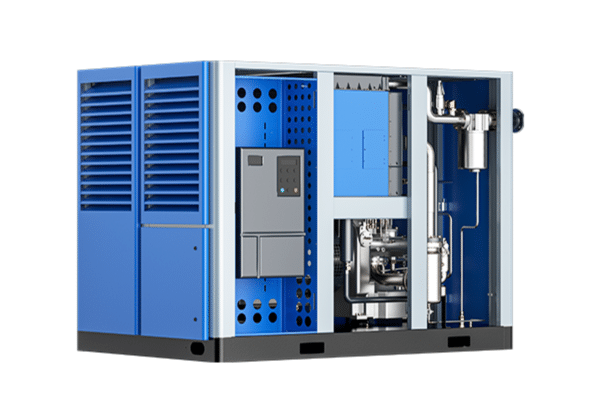
Factors to Consider When Selecting an Oil Free Air Compressor
Selecting an oil-free air compressor requires careful evaluation of several critical factors to ensure optimal performance, reliability, and compliance. First, it is essential to clearly define the application requirements, including the necessary air quality, pressure, and flow rates specific to the operational environment. Energy efficiency is another primary consideration, as modern oil-free compressors are engineered to reduce power consumption and lower operational costs, directly impacting long-term investment value. Maintenance needs must also be assessed, with a focus on ease of servicing, availability of technical support, and the robustness of preventive maintenance programs that help maximize system uptime. Furthermore, compliance with relevant industry standards and regulatory requirements—such as ISO 8573-1 for air purity—should be verified to guarantee that the chosen equipment supports critical applications in sectors like pharmaceuticals, food and beverage, and electronics. By systematically analyzing these factors, organizations can select an oil-free air compressor that aligns with both operational demands and industry benchmarks, ensuring continuous, contamination-free compressed air delivery.
Our Latest News
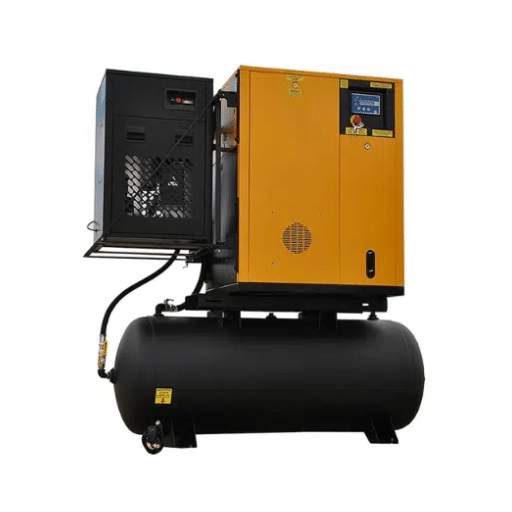
Screw Compressor Oil Carryover: Causes, Diagnostics, and Fixes
Read MoreScrew Compressor Oil Carryover: Causes, Diagnostics, and Fixes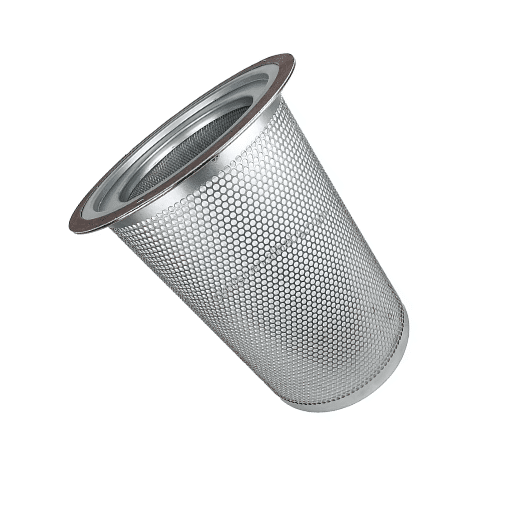
Screw Compressor Air Oil Separator: Replacement Guide
Read MoreScrew Compressor Air Oil Separator: Replacement Guide
Rotary Screw Compressor Oil: Types, ISO Grades, Intervals
Read MoreRotary Screw Compressor Oil: Types, ISO Grades, Intervals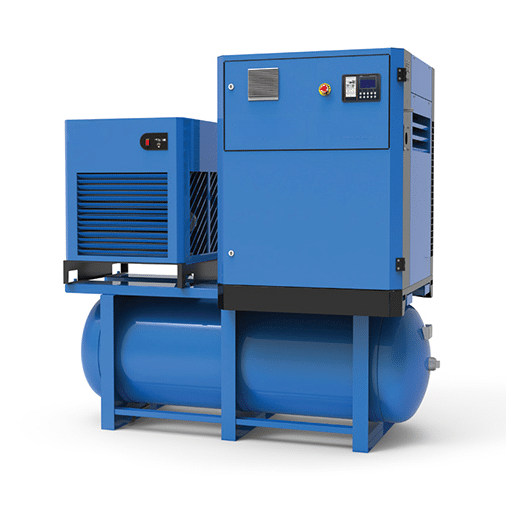
How Does an Oil-Injected Rotary Screw Compressor Work?
Read MoreHow Does an Oil-Injected Rotary Screw Compressor Work?Power Your Operations with the Right Solution
If you are seeking a tailored compressed air solution, our team of experts is ready to assist you. We specialize in customizing oil-free rotary screw air compressors to meet your unique air quality requirements. Contact us today to discuss how our solutions can enhance your operations and deliver clean air more efficiently.
Frequently Asked Questions (FAQs)
An oil-free air compressor is a type of compressor that operates without the use of lubricating oil in the compression chamber. This design prevents oil from contaminating the compressed air, which is essential in industries requiring high air purity.
Oil-free compressors rely on specific materials and precise engineering for lubrication and cooling, instead of oil. This results in reduced maintenance requirements and eliminates the risk of oil contamination in critical compressed air applications.
Industries such as pharmaceuticals, food and beverage, electronics, healthcare, and biotechnology demand oil-free compressed air to comply with stringent safety and purity standards.
While initial acquisition costs may be higher, oil-free air compressors often have lower maintenance expenses over time, as there is no need for oil changes or oil separator replacements.
These compressors generally require clean, dry intake air and a stable operating environment. Regular monitoring of air filters and moisture control is important to maintain optimal performance.
Perform scheduled preventive maintenance, including filter inspections, system diagnostics, and adherence to manufacturer guidelines, to maintain consistent operation and prolong equipment lifespan.