
The Complete Guide to Screw Air Compressors: Technology, Types & Applications

There is no doubt that, in industrial operations, the screw air compressor is one of the most essential and versatile machines. It does not matter whether you are in charge of a large manufacturing plant, have a construction site, or need support for a complex pneumatic system; these compressors are a must for the overwhelming majority of applications worldwide. But what are the specific reasons that make screw air compressors vital? This guide aims to illustrate the technology of screw air compressors from the ground up and to present their various types and the highlights of their industry-wide applications. At the end of it, you will be in a good position to understand the mechanics of their usage, the things that make them superior, and, more importantly, the correct type of machine that fits your needs perfectly. Whether you are an engineer, a facility manager, or a business owner, this detailed journey will give you a solid grasp of the technical side, enabling you to make informed decisions.
Understanding Screw Air Compressors
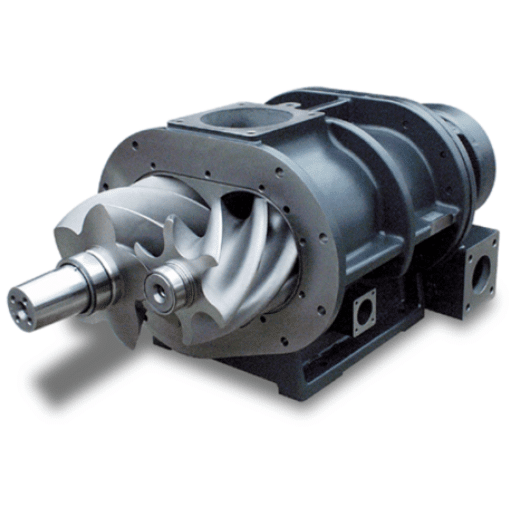
Screw air compressors are a type of rotary compressor with two helical threads that engage and rotate, compressing the air. These threads work in a sealed chamber where air is sucked in, trapped between the threads of the rotor, and compressed as the space between them is reduced. This ongoing process of compression provides a reliable, efficient compressed air source suitable for many industrial and commercial applications. The screw air compressors are famous for being long-lasting, saving a lot of energy, and being consistent in providing a good flow of compressed air, which makes them perfect for tasks that require long-term operation.
What is a Rotary Screw Air Compressor?
The positive-displacement principle is the underlying mechanism of operation for a rotary screw air compressor. It runs on two helical rotors (one male and the other female) rotating in a chamber (formed by specifically controlled machining) in opposite directions. During the rotation of the rotors, air gets sucked in through the inlet and then is held within the gaps formed by the rotor’s threads. The repetitive motion of rotation decreases the size of these gaps, thereby compressing the air until its pressure reaches the desired level. The intake air can then exit through the outlet, making it suitable for numerous applications.
The latest rotary screw compressors are designed using modern technologies to make them as efficient as possible. This results in very high-performance compressors. The use of technologies like variable-speed drives (VSDs) enables the motor’s speed to be controlled with high accuracy, resulting in energy-efficient operation and the delivery of the required air at the right time. In addition, improvements in cooling, lubrication, and control technologies mean more efficient equipment, with shorter maintenance periods and less energy consumption than before. For all these benefits and many others, users find rotary screw air compressors their first choice in manufacturing and construction, as well as in healthcare and automotive service sectors, due to the need for continuous, reliable air supply.
How Does Screw Compressor Technology Work?
Screw compressor technology works by the engagement of two rotating helical rotors, commonly called the male and female rotors, during the compression of air or gas. The rotors are situated inside a meticulously made-to-measure casing, and they suck fresh air in through the inlet port as they rotate. The meshing of the rotors’ design keeps the air between their lobes. With each revolution, the air volume trapped decreases, then compresses to the desired pressure, and is finally released through the discharge port.
Several primary factors, including rotor design, operating speed, and proper clearances between the rotors and the casing, determine the efficiency of this process. On the one hand, the breakthrough in rotor geometry, particularly the use of asymmetrical profiles, has yielded higher compression efficiencies and faster energy savings. Most of the time, modern screw compressors come with advanced control systems that keep output in line with real-time demand, thereby reducing energy waste to a minimum. Moreover, high-performance seals and cooling systems are essential, as they not only keep compressors stable but also significantly reduce wear, extending equipment life and ensuring an uninterrupted supply of compressed air.
Rotary Screw Compressor vs. Piston Compressors
| Parameter | Rotary Screw Compressors | Piston Compressors |
|---|---|---|
| Operating Principle | Continuous rotary motion | Reciprocating piston motion |
| Duty Cycle | 100% continuous operation | Intermittent, not for constant use |
| Energy Efficiency | High efficiency at full load | Less efficient compared to the rotary screw |
| Noise Levels | Lower noise levels | Higher noise levels |
| Maintenance Frequency | Less frequent maintenance | Requires regular maintenance |
| Initial Cost | Higher initial investment | Lower initial cost |
| Lifespan | Longer operational lifespan | Shorter lifespan under heavy use |
| Applications | Industrial, continuous high-demand use | Small-scale or low-demand applications |
| Airflow Output | Higher and consistent output | Variable output |
| Oil-Free Options | Widely available | Limited availability |
| Cooling Systems | Advanced cooling systems | Simple air or water cooling |
| Size | Larger, requires more space | Compact, space-saving design |
| Vibration Levels | Minimal vibration | High vibration |
Benefits of Rotary Screw Air Compressors
Rotary screw air compressors are highly effective and reliable, making them the best option for applications requiring a continuous, high volume of air. They provide consistent airflow throughout, even during extended use, ensuring the operational stability of the air compressors. Their innovative cooling systems improve air compressor performance and reduce the risk of overheating. Moreover, many of these rotary screw compressors are available in oil-free versions, which are a must for applications that require air free of contaminants. All of these benefits add up to greater operational comfort and a longer lifespan for the compressed air. However, in most cases, they are bigger, but their extreme longevity and efficiency still make them a preferable option for the industrial sector.
Efficiency and Performance
Rotary screw compressors revolutionized the modern industrial area. Their real-time performance-optimization features were one of the reasons they stood out. Meanwhile, they are widely known for their part in energy saving. These compressors frequently filter the air demand, thereby significantly reducing power consumption during the associated load conditions. Moreover, this is not the only technical innovation; predictive maintenance will only be possible with a complex monitoring technology that analyzes performance data, thus preventing failures in advance. Several research outputs suggest that VSD compressor technology can reduce power consumption by up to 35% compared with fixed-speed models. The partnership between intelligent control and efficient operation has not only improved overall performance but also reduced operating costs and enabled the horses to bridge the gap with the environment, which is basically bare ground for most compressors.
Lower Maintenance Requirements
Cutting-edge technologies, including IoT-enabled monitoring systems and advanced materials, have played a significant role in reducing the need for routine maintenance of modern compressors. Forecast analytics, together with real-time diagnostics, are used to detect and address issues early, preventing costly downtime and optimizing operational performance. Additionally, the use of more durable, wear-resistant parts has led to longer service life with fewer maintenance tasks. All these breakthroughs combined have reduced operational disruptions, simplified maintenance procedures, and kept the equipment reliable over the long term, making it a must-have technology in industrial equipment management.
Continuous Air Supply Capabilities
Modern industrial operations have adopted the practice of using air systems to maintain productivity without interruptions in various scenarios. Operators use a variety of techniques, such as rotary and centrifugal compressors, to maintain constant air pressure and flow even under adverse conditions. The use of high-end components, such as high-accuracy impellers and variable-speed drives, contributes to optimal energy use, reducing operational costs. The latest technological advancements in the air supply field also include predictive analytics and IoT-enabled sensors, which help monitor the system’s real-time performance, including factors such as pressure stability, airflow consistency, and power usage efficiency. All said and done, these qualities not only improve system reliability by adding to it but also provide a more detailed insight into system health, which, in turn, makes the maintenance procedure more proactive and, at the same time, reduces the risk of unplanned downtime. In industries where a continuous air supply is essential, such changes are highly valued. Some of these industries may include manufacturing, automotive assembly, and aerospace production.
Types of Rotary Screw Compressors

Rotary screw compressors are, in general, divided into two major types based on how they work and their construction:
Oil-Injected Rotary Screw Compressors
These machines lubricate, seal, and cool using oil throughout the compression process. The compressors are very efficient and are therefore used in demanding applications like manufacturing and industry. However, for the clean air application, additional filtration is necessary to take out oil particles.
Oil-Free Rotary Screw Compressors
Oil-less or positive-displacement compressors are those that do not use oil in the compression chamber. These compressors are excellent for industries that need clean, particle-free air. Though they are often sold at higher prices than other types, the air quality they provide makes them an absolute necessity for critical applications.
Each category addresses specific types of usage, and selecting the most suitable compressor for the particular air quality, environment, and application depends on the category.
Oil-injected Rotary Screw Compressors
Oil-injected screw compressors are used when there is a critical need for continuous compressed air, yet air purity is not the primary concern. These compressors operate on the principle of oil flowing through the chamber under compression, serving as a lubricant, coolant, and sealant for the moving parts. In this way, not only does the compression procedure become easier, but also the overall energy performance and pressure stability are highly efficient, to the point that they are noticeably superior to the previous performance.
These machines are high-quality, durable, and have a very long lifespan; there is no doubt that they represent a good investment for industries working in construction, production, and automotive services. The use of oil will, first and foremost, lower the wear rate and significantly reduce the risk of heat build-up, regardless of the extent of work demand. Nevertheless, blending oil with compressed air will benefit the machine’s needs but also have an adverse effect; therefore, a filtration method must be used to remove oil from the air before use. The filtration operation commonly aims at keeping the oil content at a level residual to the process and suitable for most industrial applications.
The availability of variable-speed drives (VSDs), which match power consumption to demand, is another significant way in which advanced designs improve the energy efficiency of these compressors. The point that oil-injected rotary screw compressors are the most frequently used oil-injected type is further illustrated by statistical data from the industrial sector, despite their limited availability. The equipment will undergo regular filtration changes, oil monitoring, and system checkups to maintain continued operation and extend system life.
Oil-free Rotary Screw Compressors
Oil-free rotary screw compressors are designed to deliver immaculate, pure air, which is crucial for processes that require sensitivity. Using advanced coatings and precise engineering, these compressors operate efficiently and remain durable, with no oil used in the compression chamber. Oil-free systems are widespread in industries such as food and beverage production, pharmaceuticals, electronics manufacturing, and medical sectors, as they are required to meet stringent regulatory standards and maintain product integrity as their top priority.
There has been a significant improvement in the energy efficiency and reliability of such compressors thanks to recent technological progress. To be more specific, the latest trends are leaning toward the use of water-injected and dry screw systems to reduce maintenance and improve thermal management. Moreover, undertakings such as ISO Class 0 confirm that the air is pure, eliminating the risk of oil contamination. The provided data from the industrial implementations depicts that the oil-free rotary screw compressors not only represent a real risk for the operational continuity of the critical processes but at the same time contribute to reducing the related operating risks and thereby giving a boost to the overall production capacity, and acting in accordance with the environmental and safety regulations of the operation.
Applications of Screw Air Compressors

Manufacturing
The provision of compressed air effectively and steadily for the driving tools, the automation systems, and the assembly lines.
Healthcare
This is about the provision of nice, oil-free air that is suitable for surgical equipment, dental tools, and ventilation systems.
Food and Beverage
Air without any contamination is what is laid down; this is one of the ways to look after the product to the best of our abilities during the time that it is being processed and packed.
Construction
The use of compressed air is what is taking place here, and this is done to power the pneumatic tools, drills, and such other portable heavy-duty equipment that is placed on the construction site.
Energy Sector
The use of compressed air is that which is also widely spread among the energy sector to support such operations as gas processing, pipeline maintenance, and drilling, etc.
Industrial Applications
The use of advanced compressed air systems in industries has led to greater efficiency and reliability. One example is the use of Variable Speed Drive (VSD) compressors, which not only save energy but also reduce load on the power supply by matching air demand to motor speed. As a result, energy costs are reduced by up to 35%. Another plus factor is the complete suppression of oil, with this latest compressor technology, in line with the global air purity standards, and more specifically, strict standards in the healthcare as well as food and beverage industries, where even the minutest contamination levels could lead to safety hazards, as they may get incorporated in the product and thus affect the patient’s safety. The latest innovative maintenance system, powered by robust sensors and IoT, even helps predict system condition, thereby reducing the risk of poor performance and breakdown. The current state of the world shows how the use of advanced solutions can significantly revolutionize the overall turnover across different sectors.
Commercial Uses
Compressed air systems are widely used across various sectors, mainly due to their adaptability and efficiency. The factories use compressed air to operate pneumatic tools, automation systems, and material handling on production lines, while maintaining precision and speed. In the same way, in the vehicle production sector, machines that work with compressed air or that are powered by it are used for the following operations: spraying of paint, screwing of the bolts, and inflating of tires. The food and beverage industry is the third-largest sector that takes advantage of compressed air’s operational characteristics, among other things, such as packaging, refining, and maintaining a sterile environment to meet safety regulations.
Moreover, in the pharmaceutical sector, these technologies are a must-have for the transfer of fragile powders, the operation of the most complex machines, and the uninterrupted production of medicines under exact conditions. The spread of energy-efficient compressed air technology to the point that machines equipped with it are considered the new standard has made a fitting tribute to the power of technology to reduce costs. The difference is so pronounced that the energy consumption of modern systems is sometimes even 30% lower than that of older systems, giving a firm push towards environmental protection and business growth. The realization of the key role of compressed air in various commercial processes for business enhancement is evident in these special applications.
Specialized Applications in Different Industries
Compressed air solutions are critical across different fields because they can be used in various ways and tailored to specific needs. In the manufacturing area, compressed air powers pneumatic tools, assembly lines, and material handling systems, making the whole process very precise and quick. The food and beverage industry, on the other hand, is entirely dependent on oil-free compressed air to meet the most stringent hygiene standards during processes such as product packaging, bottling, and conveying. Also, in the pharmaceutical industry, compressed air is indispensable for many applications, such as mixing, aeration, and the delicate operations of coating tablets, where the main concerns are equipment cleanliness and the reliability of the process.
The automobile industry has a significant advantage, as compressed air technology is widely used in its production, specifically in factories and assembly plants, where compressed air-driven tools smooth the production line and maintain consistent performance. Moreover, the development of energy-efficient compressors has enabled construction companies to use heavy equipment with significantly lower fuel consumption, thereby reducing operational costs and, at the same time, lessening carbon dioxide emissions. Compressed air energy is also used in the renewable energy sector for storage, helping stabilize the grid and ensure energy is supplied without interruption.
Maintenance of Screw Air Compressors

1. Regular Filter Checks
Regularly check and clean your intake filters to prevent dirt and other contaminants from entering the system, affecting its operation, and causing increased wear. Change filters as required, but do not exceed the manufacturer’s advice.
2. Lubrication Monitoring
Check that the compressor’s oil levels are correct and that the lubricant type is correct. To maintain smooth operation and minimize friction-related damage, proper oil changes are essential.
3. Inspect Belts and Couplings
Do regular checks for wear and misalignment of the drive belts, as this could lead to an operational stop of the equipment if a resulting breakdown occurs at the same time.
4. Drain Condensate
Get rid of all water that has been collected and is being stored, as this is a significant hazard. It ensures that the compressed air is dry and of good quality over time.
5. Perform Routine System Checks
Don’t miss checking the motor, valves, and seals of the machine’s central unit, and make repairs as needed if problems occur, such as strange noises or vibrations.
6. Schedule Professional Servicing
Always stick to the manufacturer’s repair timetable and pay for periodic technician check-up services. These will provide an upper hand in recognizing defects at the earliest, so that they do not go to a higher level, which may be caused by one or the other.
Common Issues and Troubleshooting
System Fails to Start
HVAC system not starting may be because your thermostat is not configured appropriately, or because tripped circuit breakers need urgent resetting. Verify the thermostat has been set correctly and is adequately powered. An immediate check on the circuit breaker panel is necessary; any tripped breakers should be reset. If fuses are damaged, they should be replaced immediately with new fuses of compatible ratings to ensure the system functions properly.
Unusual Noises During Operation
Uncontrollable mechanical and airflow problems manifest as rattling, banging, or squealing sounds. The unfastened parts, like a fan blade or a motor mount, should be properly mounted immediately. Besides the fan motor, check the lubricant on the moving parts and re-grease them as per the recommendation. If any sounds bother you, kindly consult a certified technician to keep the system off.
Reduced Airflow
If the air supply is not reaching the desired quantity, it may be due to problems with the duct system, dirty filters, or a faulty blower motor. The air ducts should be clean to ensure the airflow through them is not obstructed. Moreover, in the filters clogup is another reason for restricted air supply, which is caused be the worn-out blower motor, call a technician and get the gloomy parts replaced.
Higher Than Expected Energy Bills
When the need for excess energy is high, it is usually due to system inefficiency. The process of cleaning evaporator and condenser coils is to restore heat-exchange efficiency. One way to make such a process easier is to use refrigerant-level detectors, which enable the identification of potential leaks that are then fixed in accordance with EPA guidelines.
Frequent Cycling On and Off
Additionally, an air conditioning unit that switches the compressor off and then on again repeatedly with very little time in between indicates a thermostat problem. This could also be due to insufficient air or a system that is too big. Go through the thermostat settings and check that it is placed far from heat sources and drafts. All registers should be open, and the filter condition should be checked as well. Oversized units will need to be adjusted by professionals and may require recalibration or resizing to fix the problem.
Extending the Lifespan of Your Compressor
Strict compliance with maintenance protocols is an absolute must for the compressor to operate longer. Make sure you not only filter the air regularly but also replace the filters. This is the only effective way to keep the compressor from clogging with debris, thereby reducing efficiency and increasing wear. Checking refrigerant levels continuously is a must-do; having either too much or too little refrigerant can be a big problem for the compressor and its operation. Periodic coil cleaning is another activity that unequivocally supports system maintenance.
It is to be remembered that the oil level should always be correct, and a change should be made whenever needed, as insufficient lubrication can result in wear due to friction. And the machine should always be adequately sized, and the load should be shared evenly to avoid overstraining. Sending the system data to the analyst has shown that they can operate at the same psi and temperature as in the manual, with a much longer life. Implementing these suggestions through a daily maintenance plan reduces the risk of failures, boosts productivity, and extends the compressor’s life.
Reference Sources
A Comprehensive Review of Key Technologies for Water-Lubricated Oil-Free Screw Compressors
This paper reviews advancements in water-lubricated, oil-free screw compressors, focusing on their environmental benefits and operational efficiency. It highlights the challenges and opportunities in adopting water as a lubricant in screw compressors.
A Review of Recent Research and Application Progress in Screw Machines
This research explores the increasing application of water in screw machines for air compression and expansion. It discusses the benefits of water-based systems in terms of efficiency and sustainability.
Frequently Asked Questions (FAQs)
What is a Rotary Screw Air Compressor?
A rotary screw air compressor is one in which two screw rotors compress air. Unlike other compressors, rotary screw compressors are particularly useful for providing a constant air supply in most industrial applications. They work by drawing the air into the space between the rotors and compressing it, invariably providing a steady output of compressed air. These compressors are praised for their greater efficiency and reliability in environments where continuous compressed air availability is of utmost importance. It is the great majority of oil-free rotary screw compressors that make them so desirable for use in environments that require high air quality.
What Are the Benefits of Rotary Screw Air Compressors?
Among the advantages of a rating for rotary screw air compressors is the projected ability to provide continuous operation through compressed air, which should be essential for nightlong benches. This exposure suggests that their lifespan will exceed their expected lifespan when compared with piston-type compressors. Fewer moving parts usually mean fewer maintenance requirements for the smaller compressors. They are also very quiet, which makes for a noticeably better work environment. To top it all, the ability of rotary screw compressors to accommodate varying air demands contributes to the machine’s versatility across a wide range of applications. Additionally, this design improves cooling, leading to highly reliable long-term performance.
How Do Rotary Screw Compressors Work?
When in action, both rotors will turn to produce significant pressure. The reason we can exert pressure is that, with the screw rotors spinning, air is drawn down the system, penetrating the space between the lobes of the steel rotors and occupying it. Gradually, the size of this trapped space decreases, squeezing similar air to a higher pressure. This mechanism maximizes the capacity of compressed air used up in receivers or currently in use. It also has the advantage of operating continuously without excessive heat buildup, unlike reciprocating units and other pipe screw compressors. Cold serves as a crucial heat-control mediator, conveying heat away from the final compressed air out into the atmosphere, allowing rotary screw compressors to deliver high-quality air and bottom-line durability.
What Are the Disadvantages of Rotary Screw Compressors?
When choosing rotary screw compressors, several advantages should be considered. However, there are some disadvantages to consider. A good example is the high initial cost of rotary screw compressors, which are more expensive than piston-type compressors. This fact, coupled with less-standard maintenance parts, may still increase the heavy weight of the ownership, considering that they come with low air demand applications, where, instead of rotary screw, piston compressors may be the better option. Finally, the technological complexity of rotary screw compressors may require trained people to operate and maintain them, hence increasing labor costs.