
Single-Phase Compressor Solutions for Reliable Compressed Air Supply
In the world of pneumatic tools and systems, the single-phase compressor stands out as a versatile and efficient solution. Engineered to meet the demands of various applications, these compressors are integral to powering air tools and ensuring optimal performance in both industrial and residential settings. We delve into the intricacies of single-phase air compressors, shedding light on their features, benefits, and applications.
Continuous Operation
Wide Selection
Low Noise Design
Easy Installation
What Defines a Single-Phase Compressor?
A single-phase air compressor utilizes a 1-phase electric motor to convert electrical energy into compressed air, which is used to power various pneumatic devices. Unlike two-stage compressors, which compress air in two stages, single-stage compressors compress air in one stage, making them ideal for light to moderate tasks. These compressors are commonly used in workshops and garages where high performance and reliability are paramount.

Proven Advantages for Single-Phase Compressor
These compressors are designed to deliver a steady flow of compressed air with high efficiency, making them suitable for continuous use in demanding environments.Why single-phase compressors are the smart choice for home and light commercial use
Every home, garage, and most small businesses have single-phase power. No need for expensive three-phase installation that can cost $5,000-$15,000+. Simply plug into existing 120V or 230V outlets with standard household wiring.
Single-phase compressors cost 20-40% less than equivalent three-phase models. Simpler motor design with starting capacitors means lower manufacturing costs passed on to you. Perfect for budget-conscious buyers who still need quality performance.
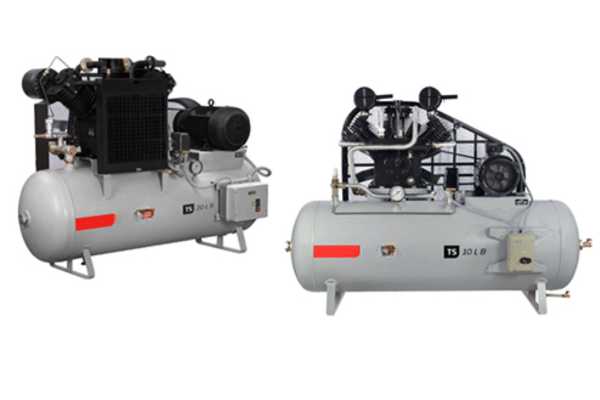
Take your compressor wherever power is available. Many models include wheels, handles, and lightweight designs. Perfect for contractors moving between job sites or homeowners who need air in different locations.
Standard off-the-shelf parts available at any hardware store. No specialized service technicians needed for routine maintenance. DIY-friendly design means lower lifetime operating costs and minimal downtime.
Single-Phase vs. Three-Phase Comparison
| Feature | Single-Phase | Three-Phase |
|---|---|---|
| Power Availability | ✓ Every home & garage | Industrial facilities only |
| Voltage Options | 120V, 230V | 208V, 230V, 460V, 480V |
| Motor Size Range | 1-20 HP | 5-500+ HP |
| Initial Cost | $150-$12,000 | $3,000-$50,000+ |
| Installation Cost | $0-$500 | $5,000-$15,000 |
| Duty Cycle | 50-100% (varies by model) | 100% continuous |
| Energy Efficiency | Good for small loads | Better for large loads |
| Portability | Many portable options | Stationary installation |
| Maintenance | DIY-friendly | Professional service |
| Best Applications | Home, garage, small shop | Heavy industrial use |
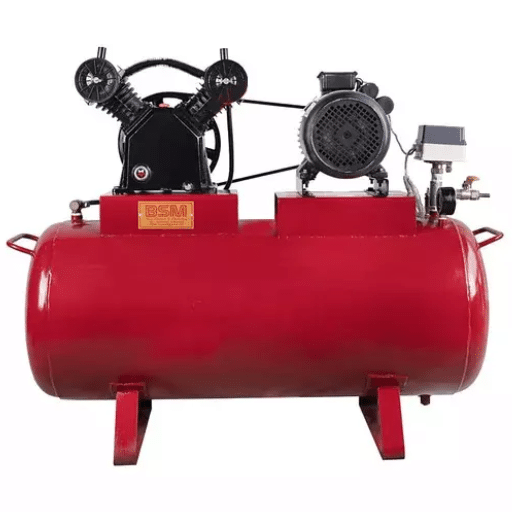
How to Choose the Right Single-Phase Compressor for Your Needs
Calculate Your CFM Needs
Add up the CFM requirements of all tools you’ll use simultaneously, then add a 30% safety margin. Example: Impact wrench (4 CFM) + spray gun (6 CFM) = 10 CFM × 1.3 = 13 CFM minimum required.
Check Your Power
Verify available voltage and circuit amperage before buying. 120V outlets are typically 15-20 amps. For 230V units, you may need an electrician to install a dedicated 30-50 amp circuit.
Tank Size Matters
Larger tanks (60-80 gal) provide more reserve air for intermittent high-demand tools. Smaller tanks (20-30 gal) work fine for continuous low-demand applications. Bigger isn’t always better!
Consider Duty Cycle
Piston compressors typically run 50-70% duty cycle (need cool-down). If you need continuous air, choose a rotary screw model with 100% duty cycle capability, even in single-phase.
Think Long-Term
Buy slightly more capacity than you currently need. Tools and projects expand over time. A 7.5 HP unit gives you room to grow vs. maxing out a 5 HP compressor immediately.
Industrial Applications for Single-Phase Compressor
Pneumatic Tools
Impact wrenches, ratchets, drills, grinders, chisels, hammers, and cut-off tools. Perfect CFM for professional-grade air tools in garage and workshop settings.
Spray Finishing
HVLP paint guns, automotive refinishing, furniture finishing, cabinet painting. Consistent pressure for professional-quality results on all your finishing projects.
Fastening Tools
Framing nailers, finish nailers, brad nailers, staplers, roofing nailers. Essential for construction, carpentry, woodworking, and home improvement projects.
Auto Repair
Tire changing, brake work, engine repair, body work, detailing. Everything from oil changes to full restorations powered by reliable compressed air.
Home Improvement
Flooring installation, deck building, trim work, fencing. Powers all the pneumatic tools you need for DIY home renovation projects.
Learn Single-Phase Compressor Types
1-3 HP Small Portable
- Voltage:120V standard outlet
- Tank Size:1-30 gallons
- Airflow:3-6 CFM @ 90 PSI
- Max Pressure:125-135 PSI
- Best For:Inflation, brad nailers, detail work, hobby projects
- Portability:Lightweight, easy to move
- Price Range:$150-$500
3-7.5 HP Mid-Size Stationary
- Voltage:230V single-phase
- Tank Size:30-80 gallons
- Airflow:7-15 CFM @ 90 PSI
- Max Pressure:135-175 PSI
- Best For:Impact wrenches, spray painting, sanders, multiple tools
- Duty Cycle:50-70% continuous use
- Price Range:$800-$2,500
7.5-20 HP Large Rotary Screw
- Voltage:230V single-phase
- Tank Size:20-80 gallons (or tankless)
- Airflow:15-75 CFM @ 145 PSI
- Max Pressure:145-175 PSI
- Best For:Commercial shops, sandblasting, heavy automotive work
- Duty Cycle:100% continuous operation
- Price Range:$3,500-$12,000


Understanding Stationary vs. Portable Models for Single-Phase Compressor
When choosing a single-phase compressor, deciding between stationary and portable models is crucial. Several factors should be considered in making this decision:
Stationary compressors are ideal for permanent installations, offering stability and consistent output.
Portable models provide flexibility and convenience for mobile tasks.
The decision depends on the intended use, space availability, and specific pneumatic needs, ensuring that each application is efficiently met.
Our Latest News
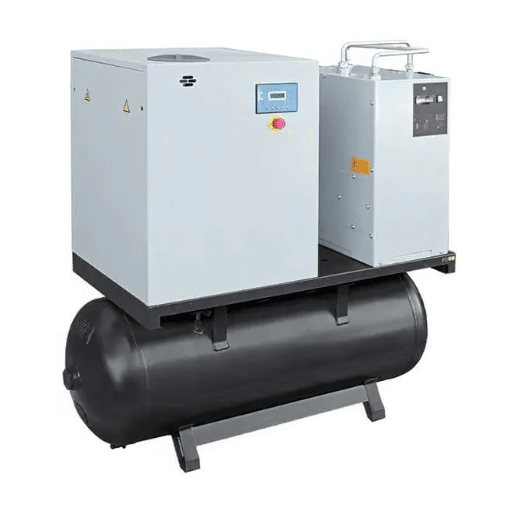
Fixed Speed Compressor Applications: 8 Industries Where Fixed Speed Outperforms VSD
Read MoreFixed Speed Compressor Applications: 8 Industries Where Fixed Speed Outperforms VSD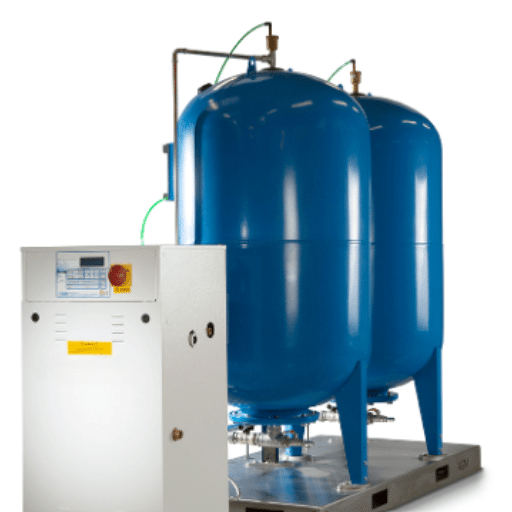
Air Receiver Tank Sizing for Fixed Speed Compressors: Why Storage Is Your Most Cost-Effective Upgrade
Read MoreAir Receiver Tank Sizing for Fixed Speed Compressors: Why Storage Is Your Most Cost-Effective Upgrade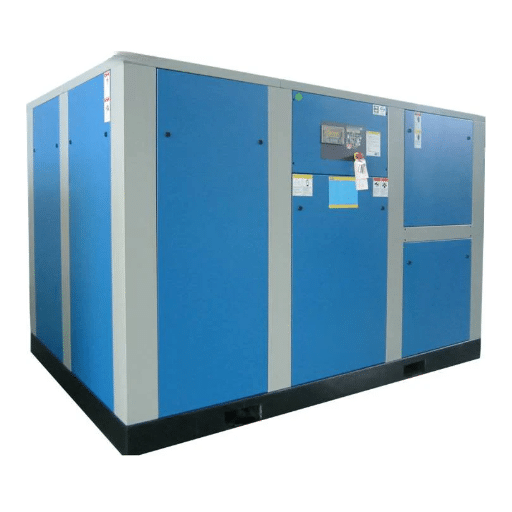
Fixed Speed Compressor Sizing Guide: Matching HP, CFM, and PSI to Your Demand
Read MoreFixed Speed Compressor Sizing Guide: Matching HP, CFM, and PSI to Your Demand
How Fixed Speed Compressors Work: Load, Unload, and Modulation Control Explained
Read MoreHow Fixed Speed Compressors Work: Load, Unload, and Modulation Control ExplainedReady to Power Your Projects?
If you need further assistance in selecting the right single-phase compressor, our experts are here to help. Contact us through our website or call our customer service team for personalized recommendations. We provide detailed guidance on compressor pumps, pressure-lubricated systems, and stage air compressor options to ensure you find the perfect solution for your pneumatic needs. Reach out today to optimize your air system!
Frequently Asked Questions (FAQs)
A single-stage air compressor works by drawing in air through an intake valve and compressing it in a single compression chamber. The compressed air is then stored in a tank until needed. This type of compressor is generally simpler in design compared to two-stage compressors, and is commonly used for smaller applications where high pressure is not essential.
A 7.5 hp single-phase compressor provides a balance between power and efficiency, making it suitable for various applications. It can deliver a significant amount of air, typically measured in cfm (cubic feet per minute), while being easy to install and operate on standard home electrical systems. This size is ideal for those needing a reliable source of compressed air for tools in a home garage or workshop.
The choice between a single-stage and a two-stage air compressor depends on your specific needs. Single-stage compressors are generally simpler and less expensive, suitable for tasks requiring lower pressure. In contrast, two-stage compressors can generate higher pressures and are more efficient for heavy-duty applications, making them ideal for powering larger pneumatic tools or for industrial use.
A phase rotary screw compressor is designed to operate on a specific phase of electrical power, typically single-phase or three-phase. These compressors use a rotary screw mechanism to compress air continuously, providing a reliable source of compressed air for various applications. They are known for their efficiency and ability to produce high volumes of air flow.
Yes, a single-stage compressor can be used for shop air applications, particularly for lighter tasks such as inflating tires, powering small pneumatic tools, and operating spray guns. However, for more demanding tasks that require higher air pressure and volume, a two-stage compressor may be more appropriate.
The main difference between a rotary screw air compressor and a piston compressor lies in their operation. Rotary screw compressors use two interlocking screws to compress air continuously, providing a steady flow of air. In contrast, piston compressors use a reciprocating piston mechanism, which can lead to pulsations in air flow. Rotary screw compressors are often more efficient and suitable for industrial applications, while piston compressors are typically used for smaller, less demanding tasks.