
Screw Air Compressor Maintenance Schedule: Complete Checklist

Efficient performance and durability factors of a screw air compressor greatly rely not just on regular maintenance but also on the maintenance of a standard quality. The screw air compressor becomes a pivotal part in virtually any operation spectrum when it serves as a major energy source for industrial equipment or for micro-manufacturer applications at sites of work. Leaving out periodical maintenance from the planning will certainly strike with the dropping efficiency of the equipment, leading to an unscheduled downtime and outrageously high maintenance costs.
The purpose of this maintenance checklist is to introduce you to a moderate and organized system of taking care of your screw air compressor. This will involve very simple things to do such as daily checks, annual inspections, and the like, which will all contribute to the top-notch operation, dependability, and the least probability of a sudden failure. Keep on reading and you will find out a few tips and techniques on how to make your screw air compressor last for many years to come.
Understanding Screw Compressors
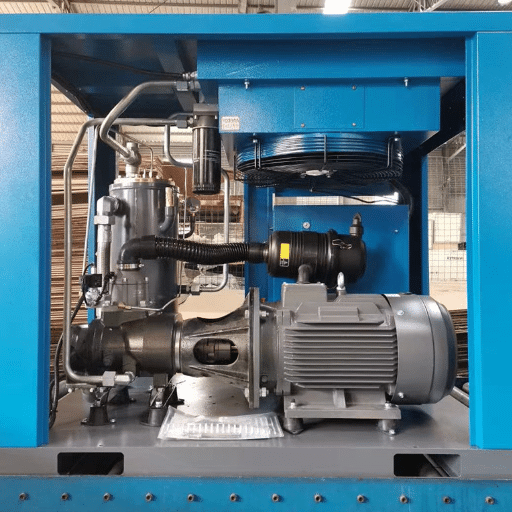
What are Rotary Screw Compressors?
Among gas compressors, rotary screw compressors are one of the primary forms. The latter employs a positive displacement mechanism and is highly efficient in the compression of gas or air. Herein, each of two rotors, whose screws intermesh, rotates in its precisely shaped chamber in the opposite direction. The air is sealed parallel and the air spaces become higher compressed air and thereby, the outcome is a continuous high-pressure airflow.
The use of rotary screw compressors, which are known for their reliability, energy efficiency, and capability to work without stopping and to remain relatively cool, usually involves industrial applications like metal processing, building, and automation, all of which need the supply of air under pressure at all times.
Benefits of Rotary Screw Air Compressors
It is no doubt that rotary screw air compressors are most favorable to various sectors when compared to the whole set of advantages they offer. The little and steady delivery of compressed air is very crucial for the production methods, which demand even performance. Apart from that, the compressors not only require less energy but also are money-saving in the long run and they are still the silent system in the market while operating continuously round the clock.
Moreover, compressor manufacturers should be mindful that the compressors’ design not only generates less heat but also provides quiet operation, hence indirectly contributing to a safer and more pleasant work environment. And, as compressors are robustly built and do not need much maintenance, the most appropriate manner of installing and maintaining them will have the effect of prolonging their lifespan; factors like low maintenance needs and long service among things that add to the appeal of these compressors, especially when the savings that they bring can be considered. Furthermore, it has been evidenced by the very different technical contexts in which compressors are used they are a great help to the manufacturing, construction and automation industries.
Common Applications of Screw Compressors
Screw compressors that are rotary are the most common type of compressors being used today. They are used in a wide variety of industries due to their good performance and dependability. For example, in many industries, such as heavy manufacturing factories, air pressure is applied to power various hand tools like nail guns, drills, and chisels, as well as to provide air for maintenance work and repairs. What is so good about a rotary screw compressor is its outstanding secureness as a production process solution, as well as its being a very reliable component in its proper operation. This is why when applying anesthetic or other substances, as in the case of surgical operating rooms, medical technology does not rely on man or a person for their supply but on a system that is reliable—the clean, dry air from the rotary screw compressor.
Importance of Regular Maintenance

Why Preventative Maintenance Matters
⚠️ In case one wants the air compressor systems to work in the best performance level and have a long service life, preventive maintenance is highly necessary. Problems can always be present in an air compressor system which could result in the costs for the repairs or even to the entire system failure. If the one wants to be fully free of the mentioned troubles, he/she should do proper maintenance on a regular basis.
When it comes to saving energy, maintenance is inevitable; it is the optimum course. A sound system not just decreases energy consumption but also minimizes operational expenses. Regular maintenance not only extends the equipment life but also guarantees the safety standards are adhered to. Furthermore, there is the matter of energy being saved through actions taken to reduce consumption while the equipment remains well maintained.
Consequences of Neglecting Maintenance
Neglecting maintenance has a broad scope of adverse consequences that reach far and can negatively affect the performance and financials of the company very badly. Equipment failures from bad maintenance are to blame for a major part of unplanned downtimes, with some sectors registering even losses of hundreds of dollars per hour during the time of downtime.
Key Consequences Include:
- Machines deteriorate, wear out, and at times, they fall into disrepair because of the lack of maintenance.
- Over-expenditure on fixing and replacing
- Factory shutdowns, losing time on projects, and dissatisfied customers
- A possibility of accidents caused by a faulty machine
- OSHA fines can be involved with legal cases, and the company may be affected by the bad reputation
- Use of more electricity for a lift in operation costs
All these implications stress the uncompromised importance of keeping strict to the maintenance timetable in order to reduce risks and maintain the operational standard at a high level.
Overview of a Maintenance Schedule
Ensuring that the machinery or infrastructure is operational, safe, and effective at the same time requires a maintenance schedule which consists of the recurring checks, maintenance, repairs, and calibrations that machinery requires and the manufacturer’s instructions. One can always predict how the calendar will look like when it is organized; it is the one with the fewest dependency issues, the longest asset life, and it is at the peak of its performance. It is also easy to see that the organization of other tasks and activities is possible around the calendar, making the company overall more efficient. The underlying idea is that the schedule must be based on the data—historical maintenance records, usage rates and environmental conditions should be used to prioritize the tasks accurately so that the scheduling of maintenance at regular intervals is the main action taking place. This will be a tremendous help in terms of getting maintenance done and avoiding the problems that come with safety and regulatory requirements.
Comprehensive Maintenance Checklist
Daily Maintenance Responsibilities
- Visual Inspection: Go through every single machine and look for typical signs of wear and tear and leaks so you can be sure that you will have no trouble with the machines
- Fluid Level Checks: Examine and add oil, coolant, and the hydraulic oil as required to keep from going down
- Cleaning: Clear away dirt and rubbish which can affect the machine operation and cause damages that may not easily be seen by cleaning the top parts of the machine
- Safety Systems Test: Bring and test the brake system, control system, and safety devices at specific interval minimum to be confident they are all running properly
- Documentation: Put the results of the regular inspections in the maintenance logs to not only have a data-driven strategy but also to be in accordance with the legal requirements
Weekly Checkup List
The weekly inspection process involves a thorough assessment of all the important parts of an operation in order for it to run effectively and safely. The very first thing that should be done is a check on the condition of the machines for wear and tear that is visible to the eyes, looking right at the heavily used areas.
| Task | Description |
|---|---|
| Lubrication Check | Make sure that all the moving parts of all the machines are properly lubricated in order to prevent the problem of friction |
| Fluid System Review | Check the levels of the fluids in the hydraulic, coolant, and fuel systems and add more, or replace the fluids as required |
| Electrical Inspection | See if there are any problems with the electrical systems such as loose connections that cause failure besides saltwater corrosion |
| Safety Mechanism Test | Make sure all safety mechanisms like brakes and emergency stop switches are in order, thus meeting the operational standards |
| Record Keeping | Details and maintenance measures will be entered into the inspection log for meticulous recording |
Monthly and Quarterly Maintenance Tasks
Monthly and quarterly maintenance tasks play a significant role in sustaining the ongoing reliability and efficiency of equipment and through planned amendments.
📅 Monthly Tasks
- Components prone to wear inspection
- Level of lubrication assessment
- Filter replacements if needed
- Detection of existing issues with main systems
- Monitoring hydraulic lines, electrical wiring
📆 Quarterly Tasks
- Testing system modules for performance requirements
- Calibrating sensors and controls
- Ensuring structural integrity during stress conditions
- Comprehensive documentation
- Equipment trend performance tracking
All the pieces of evidence must be documented comprehensively for the purposes of equipment trend performance tracking and the assurance of adherence to regulatory maintenance standards.
Key Components to Inspect

Filters: Types and Maintenance
Filters are the core features in different systems, and they are put there to get rid of the pollutants and ensure the best possible performance. There are different filters, just to name a few:
| Filter Type | Function | Maintenance |
|---|---|---|
| Particulate Filters | Catch the physical waste | Regular checking and basic cleaning |
| Carbon Filters | Wipe out smells and some chemical impurities | Replacement based on hours of operation |
| HEPA Filters | Bar the way to tiny allergens with superior quality | Replacement per manufacturer’s suggestions |
Not only does proper filtration help to keep the system at its best but also the replacement of other damaged elements caused by the particulate or pollution can be prevented.
Lubrication and Oil Checks
✓ Good lubrication system and daily oil checks are very important to maintain the mechanical efficiency and prevent the wearing out of the moving parts before time. The use of lubricants helps friction to be reduced between surfaces, thus less heat is produced and material degradation is also prevented.
Regular check-ups of the oil mechanisms are necessary to keep the system in top shape and also to detect any contamination, viscosity, or low level that could cause the system to malfunction. The Manufacturer’s maintenance schedule must be rigorously complied with; a schedule includes among other things, the replacement of oil in a timely manner and the use of a grade of lubricant that is specified to ensure that compatibility and performance are attained. The lack of oiling will result in the frictional force going up that will lead to the heat going up and so the whole system will be destroyed eventually.
Electrical Systems and Control
What primarily props up today’s industrial and commercial activities are the very, very precise and reliable electrical systems and controls that handle the processes. Power distribution parts, control panels, and programmable logic controllers (PLCs), at the very least, form the trio that serves to automate and make operational procedures in industries more efficient.
💡 Energy Efficiency Improvements
People in the field believe the best way to manage and monitor the energy efficiency of a manufacturing facility is through the installation of smart sensors, meters, VFDs, and advanced system retrofitting. In the maintenance of these energy monitoring and control systems, data analytics are an essential part. It is very good at finding potential problems in a system or its components even before they really exist and in this way, it prevents much higher repair costs.
Creating a Maintenance Guide

Developing a Tailored Maintenance Schedule
The first thing to do in creating a custom maintenance schedule for each machine is to conduct a thorough analysis of the machine’s operational needs, its usage patterns, and the service intervals set by the manufacturer. The significant factors that are typically discovered are the importance of each part, the environment in which the equipment is operated, and the past performance data.
Key Benefit: If the inventory of equipment is made according to how urgent the repair issues are, the organization can adopt an efficient resource allocation mechanism and decrease the time spent without equipment maintained. Apart from lessening the deficiency of machinery, the companies also benefit from an increase in overall output when they use the tools of predictive maintenance such as condition monitoring and the analytics of their service data.
Simply put, a maintenance plan that is not only supported by data but also fed by data results in the best equipment working and cutting the number of unexpected malfunctions to the very minimum, which in turn goes along with the tone of the operational side of the company.
Documenting Service History
To ensure equipment is reliable and operationally efficient in the long run, a fully documented service history is a must. The service history can be built by the institutions with the help of a focused log on parts replacements, repairs, and maintenance activities in an orderly way, and this resource will be quite beneficial for decision-making in the future. Trend analysis is not so difficult as it can be with such detailed data provided and it becomes easier to make predictions about failure, thus, the planning need is more accurate. By now, organizations are in a position to incorporate external insights and one of the most efficient ways of handling assets is to equate the mix of data gathered from multiple sources to the search data on the regular equipment breakdowns. A systematic and knowledgeable management of assets is attained in an adaptive way through combing the two above sources of information. The time spent on finding a breakdown is not only minimized by the integration but it also results in maintaining practices that are consistent with industry standards and practices and therefore troubleshooting is being optimized to a great extent.
Using Technology for Maintenance Documentation
The efficient tracking of maintenance through technology is the process of using real-time data collection and analysis to monitor the performance of equipment, to predict potential failures, and to schedule preventive maintenance activities.
🔧 Advanced Technology Solutions:
- Internet of Things (IoT) sensors for real-time monitoring
- Machine learning algorithms for predictive analysis
- Centralized asset management systems
- Automated data reporting systems
- Predictive analytics platforms
By combining the data reporting system and predictive analytics technology, companies can decrease downtime, which will in turn extend the asset’s life, and will bring the safety and operational standards into sync with each other. This method consists of utilizing automatic preventive actions to decrease and remove human errors, and that in effect bring the best out of resources and maintenance practices.
Frequently Asked Questions (FAQ)
How often do you need compressor screws serviced as per some maintenance program inspection?
Indicating the operating hours of the manufacturer and using them as a reference for the maintenance schedule is a good practice. Further, doing basic maintenance every 250 to 500 hours and even going further with the 1,000 hours maintenance are necessary steps to take for your compressor to stay longer and less maintenance trouble is encountered. Regular checking of the air filter, oil filter, separator, and the belt tension will contribute to spotting oil leaks and oil seal leaks in advance, which may otherwise result in damaging some internal components like the air end and the bearings. Keeping an eye on the oil level is crucial and one must always adhere to the compressor oil recommendations strictly during oil change, also monitoring the oil supply and oil separator condition are also necessary. Include air dryer and air quality checks in your system maintenance if your production process requires dry air to be used thus protecting the downstream compressed air equipment.’ Terms not used in the text: compressor manufacturers, atmospheric air, compressor drive motor, service life of your asset.
What is included in a rotary screw compressor maintenance checklist for the filter maintenance and inspection?
A checklist of comprehensive maintenance for the compressor should have the following filter maintenance tasks: inspection and replacement of the air filter, the oil filter, and any coalescing filters in order to have good quality air and to keep the air end of the compressor in good condition. Other checks for belt condition and belt tension should also be included, as well as verification of the oil level, changing of the compressor oil, and oil separator and oil seal checks for leaks. Maintenance that is regular should indicate hours-use thresholds (e.g., every 500 hours) and app and record maintenance issues such as sound irregularity which normally indicates bearing wear or a failing compressor motor. The steps for the maintenance of the inlet and the assurance of adequate pressurized air flow through the system, in addition to following the air dryer service recommendation of the manufacturer, should also be part of the maintenance procedure. Unused terms: compressor types, compressed air equipment, operations of a rotary screw.
“How can I carry out service examinations to make sure a screw compressor does not fail due to oil loss or bearing malfunction?”
When service maintenance is to be started, it is recommended to do a visual daily or weekly checking for oil leaks, oil seal leaks, and vibrations that are not normal and could possibly mean bearing problems; it is crucial that even a small leak be taken care of immediately so that the air end is not filled with oil. The compressor’s oil level should be frequently checked and maintained at the correct level in line with the supplier’s recommendations while the compressor oil and the oil separator elements should be changed at the intervals set by the manufacturer to ensure the supply of sufficient oil and lubrication of the internal components. The tension of the belt should be checked, and new belts should be used in place of the old ones to prevent overloading of the compressor motor and bearings. Also, the air filter and inlet should be inspected for con contamination which could lead to wear acceleration. Keep track of the operating hours and the work done during maintenance in order to be able to spot trends and thus prolong the life of the rotary compressor.
Which recommendations would you offer in the maintenance guide for rotary screw compressors to maintain air quality and the high level of productivity?
A properly written guide for the maintenance of a rotary screw compressor gives the loudest possible voice to the maintenance of air and oil filters, the timely repair of the oil separator, and keeping dry air and thus intact the downstream equipment the air dryer does. It also advises on the need to look at the condition of belts, engage in belt tension monitoring, and guarantee the operations of the compressor motor and controls to be within specific parameters to prevent overheating and energy waste. One is obliged to look after the air end in time and to keep the ears and eyes open for extraneous noises which could indicate that some internal parts are already worn out and, according to the table included, to stick to the regular maintenance intervals corresponding to the hours of operation. Finally, do the preventive maintenance through the documentation of all the pre-specified tasks and results to upgrade the compressor life and cut down the unexpected downtime to a minimum.
What are the most common maintenance issues that the rotary screw compressor maintenance should include to enhance its life and resolve the issues easily?
The routine tasks include the daily visual inspection, the check of the oil level and belt tension weekly, the inspection of the filters monthly, the changes of the oil and oil separator scheduled according to the operating hours to prevent the common maintenance issues. Check the inlet cleanliness and air treatment components such as the air dryer, also; this helps to maintain the air quality and thereby decrease condensation and contamination in the system. From time to time, perform a check on the bearings, couplings, and the air end for wear, and deal with any weird sounds or drops of performance right away to prevent major failures. By keeping a compressor maintenance checklist and making a log of all the services it will be possible to trace the trends and plan preventive maintenance that will prolong the life of your equipment.