
Fixed-Speed Air Compressor: Understanding the Basics of Air Compressors
In the world of industrial applications, air compressors play a pivotal role in providing the necessary power for a wide range of tools and machinery. Among the various types of compressors, the fixed-speed air compressor is highly regarded for its reliability and efficiency in maintaining consistent air pressure.
Precision Engineering
High Efficiency Operation
Minimal Maintenance Requirements
Robust Safety Mechanisms
Why Choose Fixed-Speed Air Compressor
Selecting a fixed-speed air compressor offers significant advantages for operations requiring consistent and reliable performance. These compressors deliver steady airflow, straightforward integration, and proven long-term durability. With simplified maintenance requirements and robust safety features, fixed-speed units represent a cost-effective solution for many industrial environments, minimizing downtime and supporting continuous productivity.
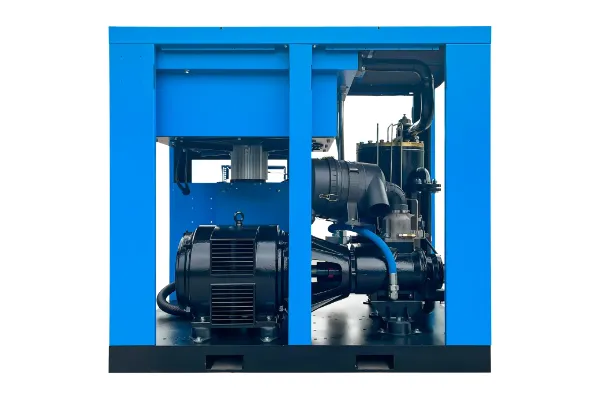
Benefits of Using Fixed-Speed Air Compressor
Fixed-speed air compressors provide dependable performance for a wide range of industrial applications. Their robust construction and stable operation make them a preferred choice for facilities where consistent air delivery is essential.
Fixed-speed compressors deliver a steady and reliable air supply, ensuring that production equipment operates without unexpected fluctuations or interruptions, which is vital for sensitive industrial tasks.
These compressors often feature lower initial investment costs and can provide long-term financial benefits by reducing unplanned downtime and extending the service life of connected equipment.
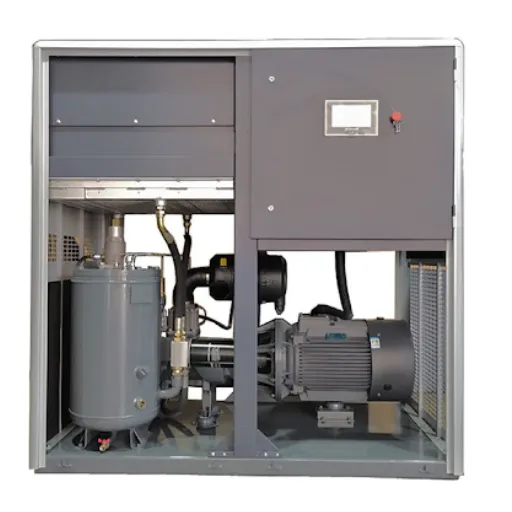
With straightforward controls and fewer complex components, fixed-speed units minimize training requirements for staff and reduce the risk of operational errors. Maintenance tasks are typically predictable and less time-consuming.
Built to withstand challenging conditions, fixed-speed air compressors are engineered for reliability. Their durable design helps maintain performance standards in continuous-use scenarios across various industries.
Fixed-Speed Air Compressor Specifications and Performance Data
| Parameter | Specification |
|---|---|
| Motor Power | 7.5 kW – 250 kW |
| Maximum Working Pressure | 7 bar – 13 bar |
| Free Air Delivery (FAD) | 0.8 m³/min – 45 m³/min |
| Cooling Method | Air-cooled / Water-cooled |
| Voltage/Frequency | 380V/50Hz, 400V/60Hz |
| Noise Level | ≤ 72 dB(A) |
| Drive Type | Belt Drive / Direct Drive |
| Lubrication | Oil-lubricated |
| Ambient Temperature Range | -5°C to +45°C |
| Controller | Microprocessor-based |
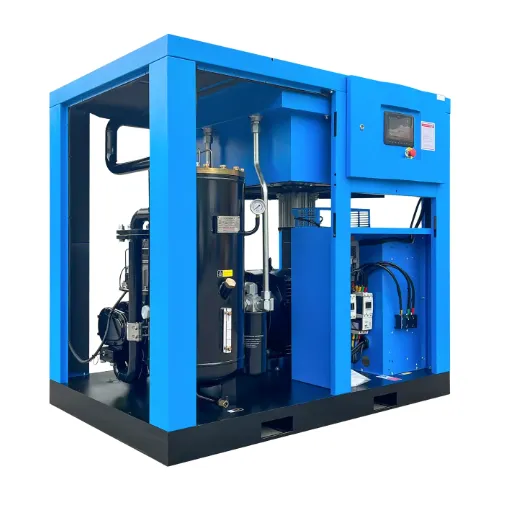
Factors to Consider When Selecting Fixed-Speed Air Compressor
Application Requirements
Clearly define the operational requirements of your application, including air flow demand, pressure range, duty cycle, and the nature of connected equipment. Selecting a compressor appropriately sized for your specific workflow ensures efficiency and performance stability.
Energy Consumption and Efficiency
Evaluate the energy consumption characteristics of the compressor. High-efficiency models can significantly reduce long-term operating costs. Comparing energy ratings and considering the total cost of ownership are essential when investing in industrial-grade equipment.
Reliability and Maintenance Support
Assess the reliability of the compressor and the availability of professional maintenance support. Choose manufacturers with proven track records and readily accessible technical services to minimize downtime and protect critical production schedules.
Environmental and Installation Factors
Consider the installation environment, including ventilation, ambient temperature, and space constraints. Proper environmental assessment ensures optimal compressor performance while avoiding operational issues related to overheating, excessive noise, or inadequate air quality.
Key Application Scenarios for Fixed-Speed Air Compressor
Manufacturing and Industrial Production
Fixed-speed air compressors are extensively utilized in factories and assembly lines to deliver a continuous and stable supply of compressed air. This ensures reliable operation of pneumatic tools, actuators, and other automation systems critical for streamlined production processes.
Automotive and Vehicle Maintenance Workshops
In automotive repair centers and workshops, fixed-speed compressors provide consistent air pressure needed for tire inflation, painting, and powering various pneumatic tools. Their dependable operation increases productivity and supports high-frequency, repetitive tasks with minimal interruption.
Food and Beverage Processing Facilities
These compressors play a vital role in food and beverage plants by supplying clean, reliable air for packaging, bottling, and conveying systems. Their ability to maintain steady airflow supports strict hygiene requirements and the seamless operation of sensitive production equipment.
Textile and Chemical Industries
Fixed-speed air compressors are well suited for textile mills and chemical plants where uniform airflow is critical for mixing, spinning, and chemical processing. Their robust performance ensures operational consistency, contributing to product quality and process efficiency in demanding industrial environments.
Maintenance and Care for Fixed-Speed Air Compressor
Routine Inspection and Preventive Maintenance
Regular inspection and preventive maintenance are essential to ensure reliable performance and a long service life for fixed-speed air compressors. Scheduled checks of key components such as filters, valves, belts, and lubrication systems can help identify potential issues early, minimizing the risk of unexpected downtime and costly repairs.
Best Practices for Optimal Operation
Adhering to manufacturer-recommended maintenance intervals and operating procedures is critical to maintaining the compressor’s efficiency and safety. Proper training of staff, timely replacement of worn parts, and monitoring of system parameters are all fundamental to maximizing operational reliability and protecting your investment over the long term.
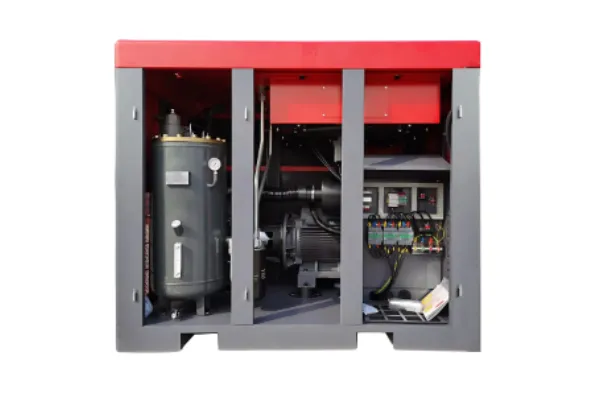
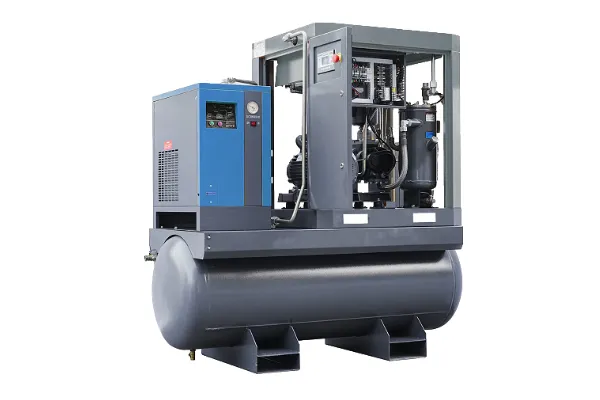
Understanding Total Cost of Ownership for Fixed-Speed Air Compressor Systems
- Initial Purchase Cost: $18,000 – $22,000
- Installation and Commissioning: $4,000 – $6,000
- Annual Energy Consumption: Approximately 220,000 kWh/year, resulting in $22,000/year (based on an electricity rate of $0.10/kWh)
- Routine Maintenance: $2,000 – $3,000/year for filters, lubricants, and scheduled servicing
- Estimated 10-Year Operating Cost: $220,000 (energy) + $25,000 (maintenance) + $22,000 (purchase) + $6,000 (installation) = $273,000 total
Our Latest News
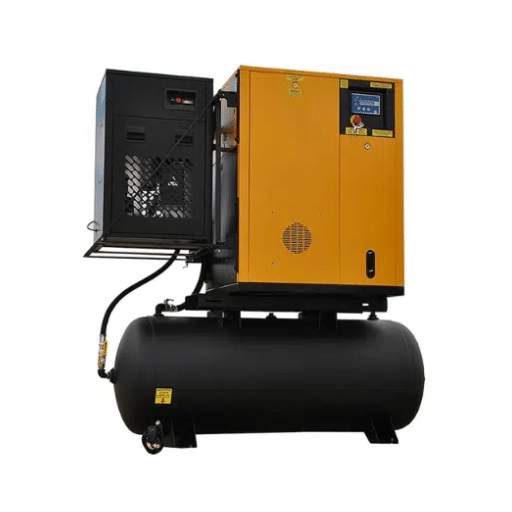
Screw Compressor Oil Carryover: Causes, Diagnostics, and Fixes
Read MoreScrew Compressor Oil Carryover: Causes, Diagnostics, and Fixes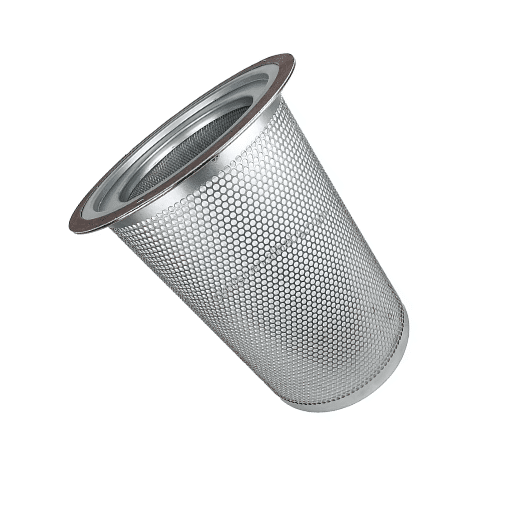
Screw Compressor Air Oil Separator: Replacement Guide
Read MoreScrew Compressor Air Oil Separator: Replacement Guide
Rotary Screw Compressor Oil: Types, ISO Grades, Intervals
Read MoreRotary Screw Compressor Oil: Types, ISO Grades, Intervals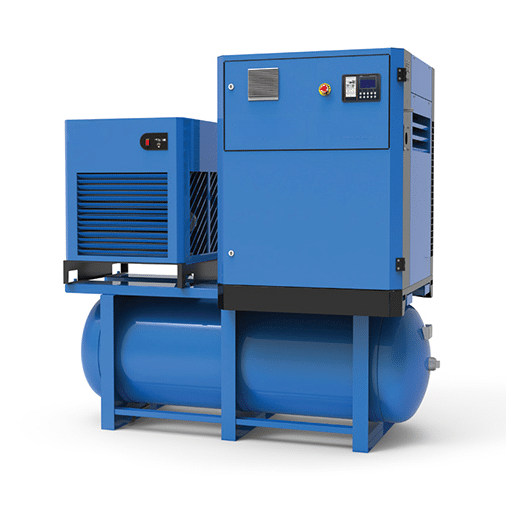
How Does an Oil-Injected Rotary Screw Compressor Work?
Read MoreHow Does an Oil-Injected Rotary Screw Compressor Work?Request a Quote for Your Fixed-Speed Air Compressor
Looking to enhance your operations with a reliable and efficient fixed-speed air compressor? Request a customized quote today to receive expert guidance and competitive pricing tailored to your needs. Our solutions provide proven performance, advanced safety features, and minimal maintenance requirements―empowering your business with long-term value. Contact us now to get started and experience industry-leading support every step of the way.
Frequently Asked Questions (FAQs)
A fixed-speed air compressor delivers compressed air at a constant speed and output, providing consistent performance in a wide range of industrial applications.
Fixed-speed compressors offer robust reliability, straightforward maintenance procedures, efficient energy usage under steady loads, and proven longevity in demanding environments.
Many modern fixed-speed air compressors support integration with remote monitoring solutions, allowing for real-time performance tracking and predictive maintenance management.
Routine maintenance includes checking and replacing filters, monitoring oil levels, inspecting for leaks, and adhering to recommended service intervals to ensure stable, efficient operation.
Fixed-speed compressors generally feature lower upfront costs and are cost-effective where air demands remain stable, resulting in favorable TCO under such operating conditions.
Yes, fixed-speed models are engineered for sustained, continuous operation in industrial settings, provided specified maintenance schedules are followed.