
Direct Drive Air Compressor Solutions for Efficient and Reliable Performance
Engineered for maximum power transmission and unparalleled efficiency, the direct drive rotary screw air compressor represents the pinnacle of energy-conscious design. By directly connecting the drive motor to the compressor’s air end, this configuration eliminates the power loss associated with belt systems, ensuring that nearly all motor energy is converted into compressed air. This results in superior reliability, lower energy costs, and reduced maintenance for demanding industrial applications.
Higher efficiency
consistent power output
reliable performance
Easy Maintenance
What is a Direct Drive Air Compressor?
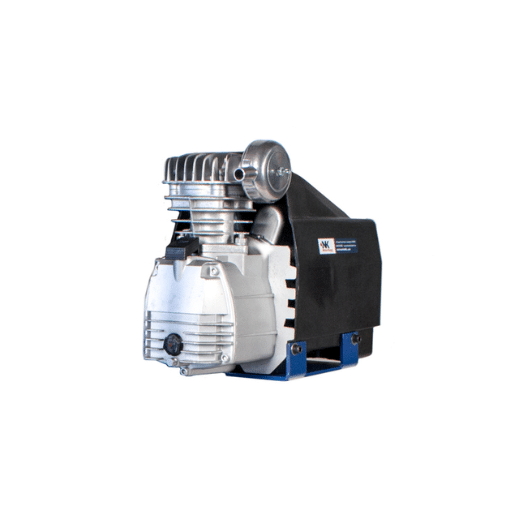
A direct drive air compressor is a type of compressor where the motor is directly connected to the compressor pump, eliminating the need for a belt-driven transmission. This direct connection results in fewer moving parts, leading to lower maintenance requirements and enhanced durability. Direct drive compressors are known for their efficiency, making them ideal for both industrial and portable air applications where reliability and performance are paramount.

Proven Advantages for Direct Drive air compressor Applications
Choosing a direct drive rotary screw air compressor provides significant operational advantages, translating to lower energy costs and improved reliability for heavy-duty industrial applications.
With no power loss from belt friction or slippage, these compressors are inherently more energy-efficient. Almost 100% of the motor’s power is transferred directly to the air end, leading to significant reductions in energy costs over the unit’s lifetime.
The design features fewer moving parts. With no belts to replace, align, or tension, maintenance requirements are significantly lower. This robust simplicity reduces downtime and the costs associated with routine servicing.
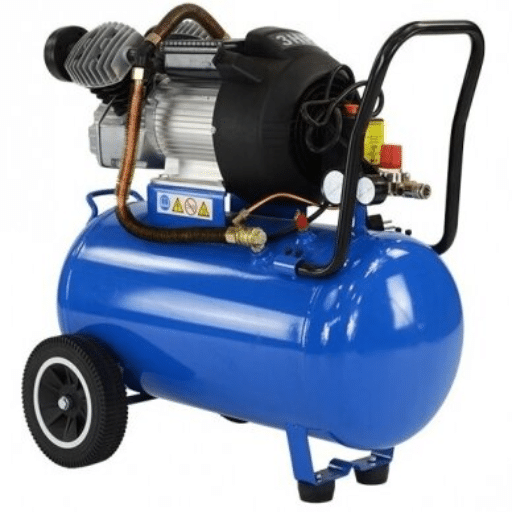
The perfectly aligned, direct connection minimizes vibration and mechanical noise. The result is a lower noise level compared to belt-driven models, creating a safer and more comfortable working environment.
By eliminating the need for bulky belt guards and tensioning systems, direct drive air compressors often feature a more compact design, saving valuable floor space in your facility.
Direct Drive Air Compressor Specifications and Performance Data
| Specification | Typical Performance Range |
|---|---|
| Motor Power | 20 HP - 500+ HP |
| Air Delivery (FAD) | 80 CFM - 2500+ CFM |
| Nominal Working Pressure | 100 PSI - 200 PSI |
| Drive System | 1:1 Direct-Driven Coupling |
| Motor Type | IE3 / IE4 High-Efficiency |
| Control System | Intelligent Microprocessor Controller |
Why Direct Drive Technology Dominates Industrial Applications
Superior Energy Efficiency
Direct transmission almost eliminates drive losses, increasing output efficiency to 98-99%. Less power lost during transfer from motor to crankshaft means lower fuel consumption over the unit’s lifespan. Energy savings repay the higher initial investment within 2-3 years.
Reduced Maintenance Requirements
No belts to check, tension, or replace. No pulleys to align. Fewer moving parts mean fewer components subject to wear and tear. Simplified design reduces maintenance complexity and costs by 30-40% compared to belt-driven systems.
Heavy-Duty Industrial Reliability
Better-suited for heavy-duty industrial applications where belt-driven models won’t survive. Withstands extreme temperatures, dust, debris, and harsh conditions. Frequently used in cement, metal, mining industries where durability is paramount.
Space and Installation Constraints
Compact and simpler design takes up less floor space than belt-driven equivalents. 25% smaller than competitive products in some cases. Ideal for facilities with limited space or mobile applications requiring portability.
Consistent Performance
Direct coupling provides consistent power delivery without belt slip. Maintains rated performance under varying loads. Ideal for applications requiring stable air pressure and flow regardless of operating conditions.
Industrial Applications for Direct Drive Air Compressor
24/7 Manufacturing Operations
For facilities that run continuously, the superior energy efficiency and reliability of a direct drive compressor lead to significant cost savings and reduced risk of production stoppages.
Energy-Cost Sensitive Industries
In any business where electricity is a major operational expense, the increased efficiency of a direct drive system provides a direct and substantial return on investment.
Heavy-Duty Industrial Use
Applications requiring a constant, heavy airflow (high CFM) benefit most from the durable and efficient power delivery of a direct drive rotary screw compressor.
Automotive Applications
The compact and efficient design of the direct drive compressor makes it a preferred choice for automotive workshops and service stations, offering consistent performance and lower maintenance needs.
Analysis of Drive Systems: Direct Drive vs. Belt-Driven
Energy Efficiency
Direct Drive: Offers near-perfect 99-100% power transmission. With no belt to slip or wear, all motor energy is dedicated to creating compressed air, maximizing efficiency and reducing electricity consumption.
Belt-Driven: Highly efficient at around 95-97%, but a small percentage of energy is inevitably lost to belt friction and tension. This efficiency can also decrease over time as the belt wears, leading to higher long-term energy costs.
Belt-Driven: Highly efficient at around 95-97%, but a small percentage of energy is inevitably lost to belt friction and tension. This efficiency can also decrease over time as the belt wears, leading to higher long-term energy costs.
Maintenance and Reliability
Direct Drive: The simplified design with fewer moving parts means no belts to replace, tension, or align. This leads to significantly lower maintenance requirements, reduced downtime, and enhanced operational reliability.
Belt-Driven: Requires routine preventative maintenance, including checking belt tension, monitoring for wear and tear, and eventual replacement. Improper tension can lead to premature wear on both the belt and component bearings.
Belt-Driven: Requires routine preventative maintenance, including checking belt tension, monitoring for wear and tear, and eventual replacement. Improper tension can lead to premature wear on both the belt and component bearings.
Operational Noise and Vibration
Direct Drive: The direct coupling and perfect alignment result in exceptionally smooth and quiet operation. Reduced vibration minimizes stress on the entire compressor package, contributing to a longer service life.
Belt-Driven: The mechanics of the pulley and belt system inherently generate more operational noise and vibration. While well-designed units mitigate this, they are typically louder than their direct-driven counterparts.
Belt-Driven: The mechanics of the pulley and belt system inherently generate more operational noise and vibration. While well-designed units mitigate this, they are typically louder than their direct-driven counterparts.
Long-Term Cost of Ownership
Direct Drive: While the initial investment may be higher, the superior energy efficiency and lower maintenance needs result in a significantly lower total cost of ownership over the compressor’s lifespan.
Belt-Driven: Offers a lower initial purchase price, but this is often offset by higher cumulative energy costs and the recurring expense of replacement belts and maintenance labor over the years.
Belt-Driven: Offers a lower initial purchase price, but this is often offset by higher cumulative energy costs and the recurring expense of replacement belts and maintenance labor over the years.

Evaluating Energy Costs and Efficiency for Direct Drive Air Compressor Systems
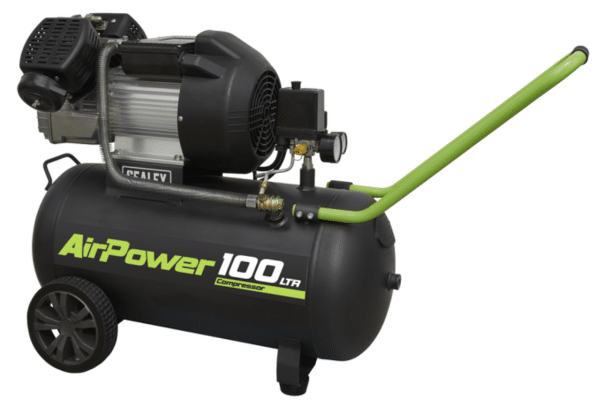
Energy efficiency is a critical factor when selecting a direct drive air compressor. Direct drive compressors are known for their ability to minimize electricity consumption due to fewer moving parts and a direct connection between the motor and pump. This design not only enhances reliability but also significantly reduces wear and tear, which can lead to lower maintenance costs. As a result, businesses can experience substantial cost savings over time, making direct drive compressors a smart investment. It is essential to analyze the efficiency ratings and power output of the compressor to ensure that it meets your operational needs while keeping energy costs in check, ultimately providing a balance between performance and economy for various applications.
Our Latest News
Screw Compressor Oil Carryover: Causes, Diagnostics, and Fixes
Read MoreScrew Compressor Oil Carryover: Causes, Diagnostics, and Fixes
Screw Compressor Air Oil Separator: Replacement Guide
Read MoreScrew Compressor Air Oil Separator: Replacement Guide
Rotary Screw Compressor Oil: Types, ISO Grades, Intervals
Read MoreRotary Screw Compressor Oil: Types, ISO Grades, Intervals
How Does an Oil-Injected Rotary Screw Compressor Work?
Read MoreHow Does an Oil-Injected Rotary Screw Compressor Work?Power Your Operations with the Right Solution
Navigating the complexities of CFM, PSI, and energy efficiency can be challenging. Our team of experienced engineers is here to understand your unique industrial requirements and recommend the most effective and reliable compressed air solution to enhance your productivity and reduce long-term operational costs. Let us help you make the right choice.
Frequently Asked Questions (FAQs)
The superior efficiency comes from a 1:1 power transfer. By directly connecting the motor to the air end, energy loss from belt friction and slippage is completely eliminated, ensuring that more of the electricity you use is converted into productive compressed air.
Applications with high, continuous air demand, such as heavy-duty manufacturing, automated production lines, and CNC machining, benefit most. In these 24/7 environments, the long-term energy savings and enhanced reliability provide the greatest return on investment.
Reliability is significantly enhanced because there are fewer moving parts. With no belt to wear out, break, or misalign, the system experiences fewer potential points of failure, leading to more uptime and a longer, more dependable service life.
Maintenance is simplified as it eliminates all belt-related tasks. The schedule focuses on standard, essential procedures like routine oil changes and filter replacements, making preventative maintenance quicker and more straightforward for your team.
Yes. The direct connection ensures the compressor’s rotors turn at a perfectly consistent speed, synchronized with the motor. This eliminates fluctuations caused by belt slippage, resulting in exceptionally stable airflow (CFM) and pressure (PSI) for your sensitive pneumatic tools and processes.
The primary disadvantages are a higher initial purchase cost compared to traditional piston compressors and lower efficiency when used for very intermittent, low-demand applications. For their intended purpose—continuous industrial use—their advantages in absolutely. The balanced design and direct coupling significantly reduce the mechanical vibration and noise that are typically generated by a belt and pulley system. This creates a quieter, more comfortable, and safer work environment for your personnel. Efficiency and reliability far outweigh these points.