
Variable Speed Rotary Screw Air Compressor: The Future of Compressed Air Solutions
In the world of industrial applications, the importance of efficient and reliable compressed air solutions cannot be overstated. As industries increasingly seek ways to optimize performance and reduce energy consumption, the variable speed rotary screw air compressor emerges as a groundbreaking innovation. These compressors, equipped with advanced variable speed drive (VSD) technology, offer significant advantages over traditional fixed speed compressors, making them the preferred choice for modern air systems. By understanding the unique features and benefits of these compressors, industries can unlock new levels of operational efficiency and energy savings.
Advanced Variable Speed Drive Technology
Superior Energy Efficiency
Robust Durability and Continuous Operation
Intelligent Monitoring and Control
Why Choose Variable Speed Rotary Screw Air Compressor
Selecting a variable speed rotary screw air compressor offers distinct advantages for industrial and commercial applications. This technology adapts output to actual demand, resulting in significant energy savings and reduced operating costs. Additionally, its ability to deliver precise, stable air flow enhances operational efficiency, minimizes wear on system components, and supports long-term reliability. Investing in this type of compressor ensures compliance with rigorous industry standards, while maximizing both performance and sustainability across a wide range of applications.
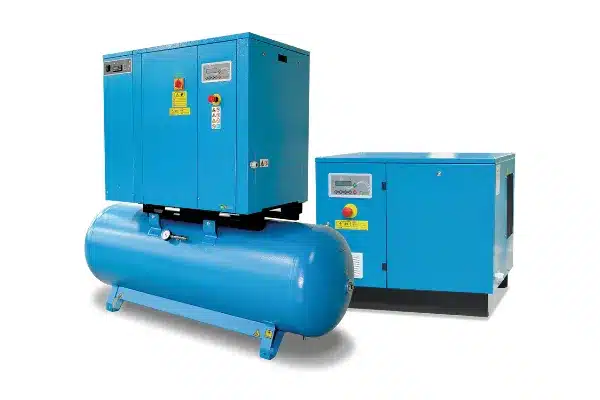
Benefits of Using Variable Speed Rotary Screw Air Compressor
Variable speed rotary screw air compressors deliver advanced performance and adaptability for demanding environments. By precisely matching output to system requirements, these compressors provide substantial operational and long-term benefits.
Variable speed technology adjusts compressor speed according to real-time air demand, significantly reducing unnecessary energy use. This results in measurable reductions in utility costs and overall carbon footprint.
The ability to maintain stable air flow and pressure levels ensures the compressor consistently meets stringent process requirements. This reliability contributes to higher product quality and reduces operational risks.
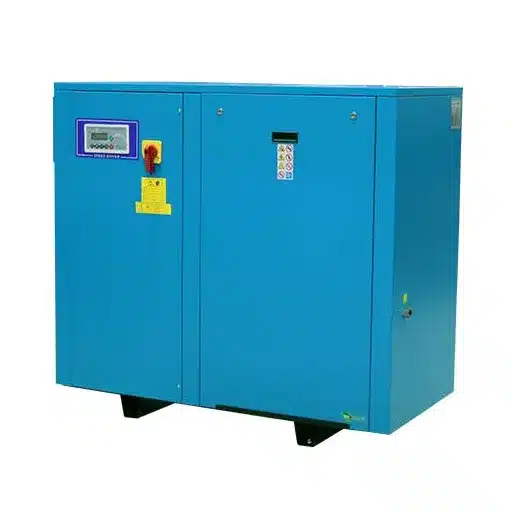
Operating at variable speeds lowers system stress and decreases wear on critical components. As a result, maintenance intervals are extended, minimizing downtime and improving overall productivity.
By optimizing energy use and minimizing component wear, these compressors lower total cost of ownership. Their scalable operation also supports facility expansion and evolving production needs without extensive system modifications.
Variable Speed Rotary Screw Air Compressor Specifications and Performance Data
| Parameter | Specification |
|---|---|
| Motor Power | 7.5 kW – 250 kW |
| Air Delivery | 1.0 – 45 m³/min |
| Working Pressure | 0.7 – 1.3 MPa |
| Drive Type | Permanent Magnet Variable Speed Drive |
| Cooling Method | Air-cooled / Water-cooled |
| Noise Level | ≤ 68 dB(A) |
| Discharge Temperature | Ambient Temp. +15°C |
| Control System | Intelligent PLC with Touch Panel |
| Lubrication | Oil-Injected |
| Power Supply | 380V/3Ph/50Hz (custom options avail.) |
| Dimensions (L×W×H, mm) | Varies by model, typically compact |
| Net Weight | 300 kg – 5000 kg |
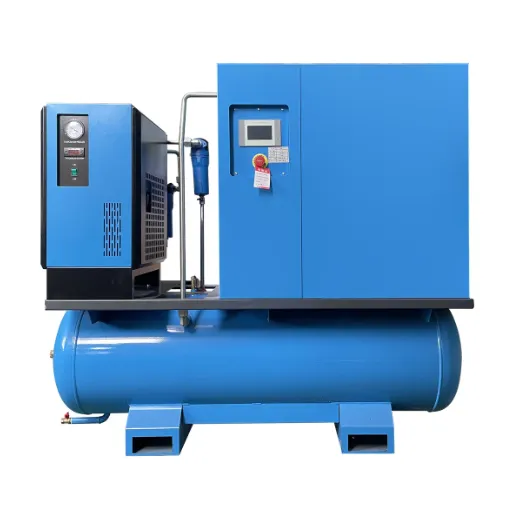
Factors to Consider When Selecting Variable Speed Rotary Screw Air Compressor
Application Requirements
Understanding the specific demands of your application is critical when selecting a variable speed rotary screw air compressor. Evaluate required air flow, pressure levels, and duty cycles to ensure compatibility with your processes.
Energy Efficiency and Operational Costs
Consider the compressor’s overall energy efficiency and the potential to reduce operational expenses. Advanced models with integrated energy-saving technologies can substantially lower long-term electricity consumption and total cost of ownership.
Reliability and Maintenance Needs
Assess the design’s proven reliability and maintenance requirements. Choose models featuring robust components, straightforward access for maintenance, and strong manufacturer support to ensure trouble-free long-term operation.
Integration with Existing Systems
Review how seamlessly the compressor can be integrated into your current facility infrastructure. Look for options with compatible control systems, networking capabilities, and scalable features that accommodate future expansion or upgrades.
Key Application Scenarios for Variable Speed Rotary Screw Air Compressor
Manufacturing and Industrial Production
Variable speed rotary screw air compressors provide precise control of airflow and pressure, making them ideal for automated production lines, CNC machinery, and material handling systems where consistent compressed air is crucial to maintaining product quality and operational uptime.
Food and Beverage Processing
In food and beverage facilities, these compressors support critical applications such as packaging, bottling, and pneumatic conveying. Their ability to adjust output helps maintain hygienic, energy-efficient operations while meeting stringent safety and quality standards.
Pharmaceutical and Chemical Industries
Pharmaceutical and chemical manufacturers rely on stable, contaminant-free compressed air for mixing, ventilation, and automated controls. Variable speed technology ensures efficient operation during fluctuating demands, promoting regulatory compliance and cost control.
Automotive and Assembly Applications
Variable speed rotary screw air compressors are widely used in automotive plants for powering tools, painting, and assembly processes. Their flexibility improves energy management, supports diverse production schedules, and helps optimize overall plant efficiency.
Maintenance and Care for Variable Speed Rotary Screw Air Compressor
Routine Inspection and Preventive Maintenance
Regularly scheduled inspections are essential for identifying wear, potential leaks, and component stress before they develop into critical failures. Adhering to a comprehensive maintenance schedule not only extends the service life of the compressor but also optimizes operational efficiency by minimizing unexpected downtime and reducing repair costs.
Monitoring System Performance and Fluid Levels
Consistently tracking system performance parameters, including temperature, pressure, and vibration, enables early detection of operational deviations. Maintaining appropriate lubricant and coolant levels is equally crucial to ensure consistent compressor functionality, promote system reliability, and reduce the risk of costly unplanned outages.
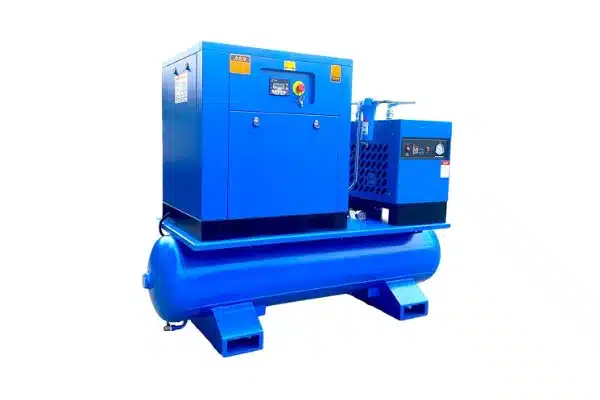
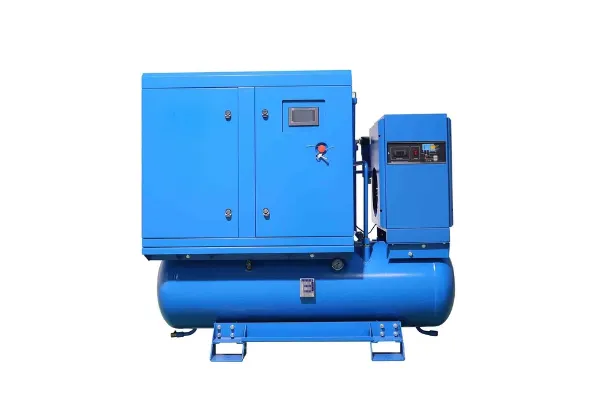
Understanding Total Cost of Ownership for Variable Speed Rotary Screw Air Compressor Systems
Accurately assessing the total cost of ownership (TCO) for a variable speed rotary screw air compressor system entails evaluating not only the initial equipment investment but also long-term operational and maintenance expenses. For example, the average purchase price of a 55kW variable speed model is approximately $18,000. Over a 10-year service life, estimated annual energy costs can reach $6,500 (based on 8,000 operating hours and local electricity rates), resulting in a cumulative energy expenditure of $65,000. Routine maintenance and parts replacement are projected at $1,200 per year, totaling $12,000 for the same period. Therefore, the comprehensive TCO—including equipment, energy, and maintenance—can reach $95,000 over a decade. This data-driven approach enables precise budgeting and informed selection of high-efficiency compressor systems for industrial applications.
Our Latest News
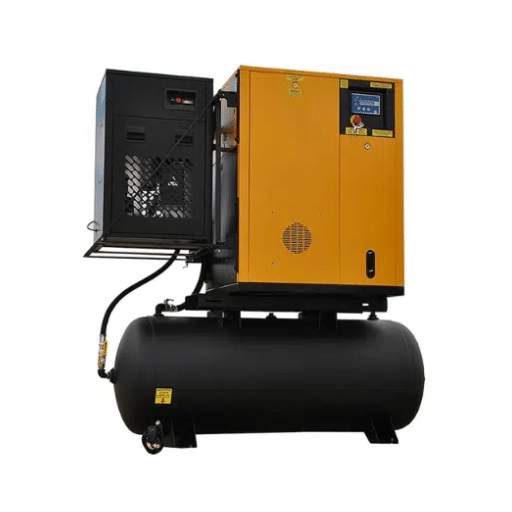
Screw Compressor Oil Carryover: Causes, Diagnostics, and Fixes
Read MoreScrew Compressor Oil Carryover: Causes, Diagnostics, and Fixes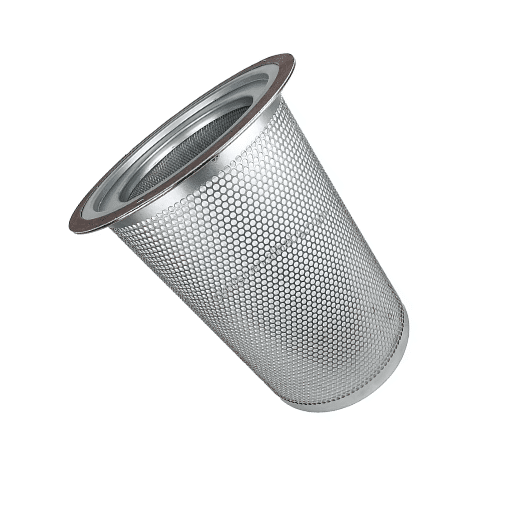
Screw Compressor Air Oil Separator: Replacement Guide
Read MoreScrew Compressor Air Oil Separator: Replacement Guide
Rotary Screw Compressor Oil: Types, ISO Grades, Intervals
Read MoreRotary Screw Compressor Oil: Types, ISO Grades, Intervals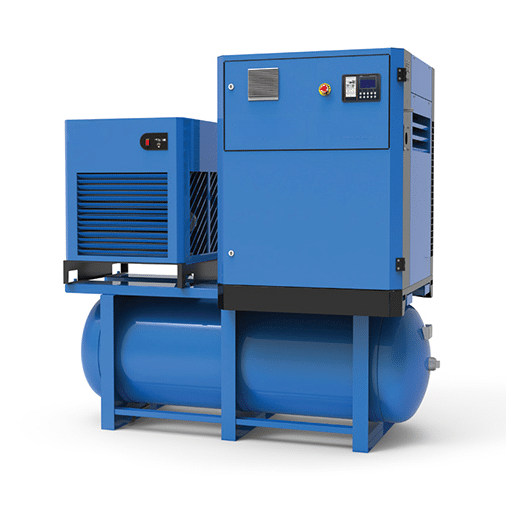
How Does an Oil-Injected Rotary Screw Compressor Work?
Read MoreHow Does an Oil-Injected Rotary Screw Compressor Work?Request a Quote for Your Variable Speed Rotary Screw Air Compressor
Looking to maximize operational efficiency and reduce energy costs? Request a customized quote for a variable speed rotary screw air compressor tailored to your facility’s unique demands. Our engineering team delivers precise solutions based on real-world application requirements, ensuring you obtain reliable, cost-effective performance. Contact us today for expert consultation and stay ahead with the latest in compressor technology.
Frequently Asked Questions (FAQs)
A variable speed rotary screw air compressor automatically adjusts its motor speed to meet the actual air demand, resulting in optimized energy efficiency and improved operational performance.
VSD technology modulates the compressor’s output by varying the motor speed, aligning compressed air production precisely with usage requirements. This minimizes wasted energy caused by frequent start/stop cycles and unloading losses.
Industries with fluctuating or unpredictable air demand, such as manufacturing, automotive, food processing, textiles, and electronics, benefit significantly from the efficiency and flexibility of variable speed compressors.
Key maintenance tasks include regular oil and filter changes, inspection of belts and couplings, periodic checks of electrical and cooling systems, and firmware updates for the VSD controller to ensure optimal performance.
By minimizing cycling, reducing mechanical stress, and maintaining stable system pressure, VSD compressors extend critical component life and support more reliable operations across demanding environments.
Factors include your facility’s total air demand, pressure requirements, duty cycle, environmental conditions, and future expansion plans. A professional assessment is recommended to ensure optimal compressor selection.