
Tow Behind Air Compressor: Diesel, Portable, and Tow Behind
In the world of industrial and construction equipment, towable air compressors stand out as essential tools for various applications. These compressors, often powered by diesel engines, offer unparalleled portability and power, making them ideal for job sites lacking electrical infrastructure. By understanding the capabilities and benefits of towable air compressors, users can enhance their productivity and efficiency across different projects, from construction to automotive repairs.
Powerful
Durable
Portable
Efficient
What is a Tow Behind Air Compressor?
A tow behind air compressor is a portable air compressor engineered for mobility and high-pressure applications. Unlike traditional air compressors that require a fixed electrical connection, towable units provide the flexibility to deliver compressed air wherever it’s needed. These portable compressors are designed to be towed behind vehicles, offering a compact and convenient solution for jobs requiring a reliable source of compressed air in remote locations. Whether it’s powering pneumatic tools or inflating tires, these compressors are built to meet the demands of the most challenging job sites.

Key Features of Tow Behind Air Compressor
Tow behind air compressors are versatile, rugged, and designed for mobility. Perfect for construction sites or remote projects, they provide reliable compressed air for various tools and applications while featuring robust durability and easy transport capabilities.
Designed with durable towable frames, these compressors can be easily transported to remote or rugged locations, offering unmatched flexibility for on-site operations.
Delivers consistent air pressure, supporting a wide range of tools and applications from construction to industrial tasks.

Equipped with advanced engines that optimize fuel consumption, ensuring prolonged usage and reduced operational costs.
Built to withstand harsh environmental conditions, ensuring reliable performance even in extreme temperatures or challenging weather.
Tow Behind Air Compressor Specifications and Performance Data
| Specification Parameter | Description | Value/Range |
|---|---|---|
| Compressor Type | Rotary Screw | Yes |
| Maximum Pressure | 125 PSI | 100-200 PSI |
| Air Delivery | 185 CFM | 100-500 CFM |
| Engine Type | Diesel | Varies |
| Fuel Tank Capacity | 27 Gallons | 20-40 Gallons |
| Weight | 2,000 lbs | 1,500-3,000 lbs |
| Dimensions (LxWxH) | 133" x 63" x 55" | Varies |
| Noise Level | 76 dB(A) | 70-85 dB(A) |
| Hitch Type | Adjustable Pintle | Varies |
| Operating Temperature | -20°F to 120°F | Depends on Model |
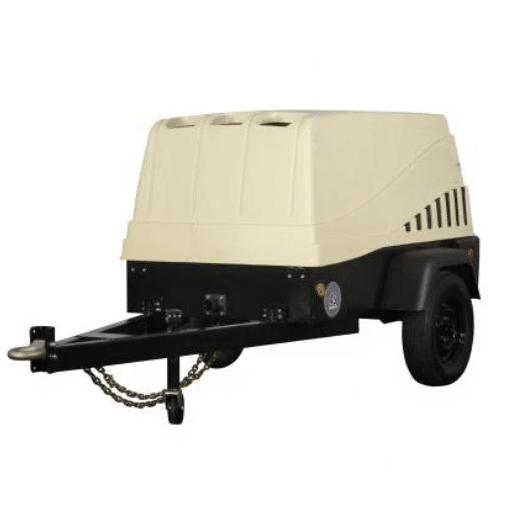
Key Features of Tow Behind Air Compressors for Optimal Performance
Versatility Across Industries
Portable diesel air compressors are widely recognized for their adaptability, making them suitable for various industrial applications, exemplified by the Sullair range offering varying capacities.
Durability and Efficiency
Diesel engines are preferred for their ability to operate longer between refuels, providing consistent power in demanding environments, which is ideal for tow behind air compressors in remote locations.
Optimal Tool Use
Selecting a compressor with the right capacity (cfm) and pressure (psi) is crucial; typically, a 185 cfm compressor suffices for two pneumatic tools, but tool requirements and site conditions may necessitate adjustments.
Specifications Matter
Knowing the specifications, such as engine power and pressure levels, is essential for maximizing the efficiency of tow behind air compressors, facilitating informed decisions for project needs.
Applications Galore
From construction to sandblasting, tow behind air compressors support a wide range of pneumatic applications, ensuring operators have reliable access to compressed air in various scenarios.
Versatile Uses of Tow Behind Air Compressors Across Various
Construction Sites
Tow behind air compressors provide portable power for pneumatic tools, including drills, jackhammers, and wrenches. Their robust design and mobility make them essential for efficient operations even in remote or rugged construction environments.
Mining Operations
These compressors ensure reliable air supply for powering ventilation systems, pneumatic rock drills, and material transport systems in underground or surface mining activities, enhancing safety and productivity in harsh and challenging mining conditions.
Oil and Gas Industry
Tow behind air compressors support various processes such as pipeline maintenance, well drilling, and testing equipment in exploration and extraction operations, delivering consistent power in demanding and remote locations.
Agricultural Applications
Farmers rely on tow behind air compressors for tasks like irrigation system repairs, equipment cleaning, and pneumatic tool operation, offering practical and portable solutions for maintaining large-scale farming operations.
Emergency Services
Air compressors play a critical role in disaster relief and emergency services, powering rescue equipment, filling breathing apparatus, and supporting decontamination units, enabling rapid response in diverse and unpredictable crisis scenarios.
Tow Behind Air Compressor vs. Portable Electric Air Compressor
Tow Behind Air Compressor
- Duty Cycle: Designed for continuous heavy-duty applications; ideal for industrial and construction use.
- Air Quality: Superior air output quality suitable for powering pneumatic tools and large-scale operations.
- Efficiency: Highly efficient for large-scale tasks, capable of supporting multiple tools simultaneously.
- Noise: Typically louder due to larger engines and higher capacities.
- Best For: Perfect choice for construction sites and industrial-scale tasks requiring high power and continuous operation.
Portable Electric Air Compressor
- Duty Cycle: Ideal for light to moderate-duty applications with intermittent use.
- Air Quality: Provides sufficient air quality for small tools and personal use.
- Efficiency: More energy-efficient in low-demand tasks but unsuitable for heavy-duty operations.
- Noise: Quieter operation, making it better suited for residential environments.
- Best For: Designed for DIY tasks, small workshops, and hobbyists needing flexible, portable efficiency.


The Cost of Tow Behind Air Compressors: Key Factors Affecting Your Investment
Size and Capacity: The cost varies based on the compressor’s size and capacity, with larger units typically commanding higher prices but offering enhanced efficiency and suitability for industrial or heavy-duty tasks.
Brand and Quality: Established brands often charge a premium due to their reputation for reliability and performance, but they may offer a longer lifespan and better customer support compared to less-known manufacturers.
Additional Features: Advanced features such as fuel efficiency, noise reduction, and digital controls can influence the price, appealing to those seeking convenience and operational functionality in demanding environments.
New vs. Used: Buying a new unit ensures warranty and latest technology but costs more, whereas used options are economical but may require thorough inspections to avoid hidden repair or maintenance expenses.
Market Demand: Prices can fluctuate based on market conditions, with higher demand in industries like construction and landscaping often driving up costs during peak seasons or economic growth periods.
Our Latest News
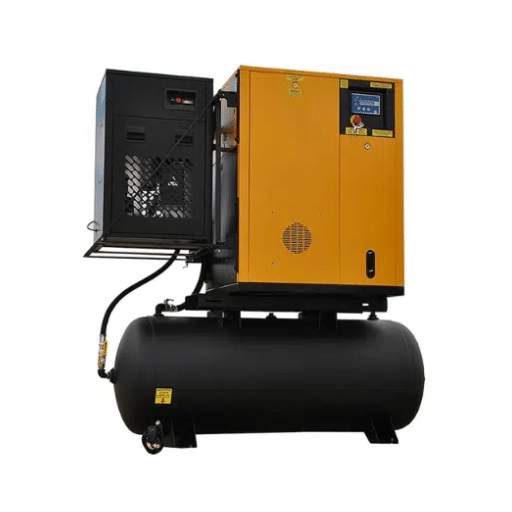
Screw Compressor Oil Carryover: Causes, Diagnostics, and Fixes
Read MoreScrew Compressor Oil Carryover: Causes, Diagnostics, and Fixes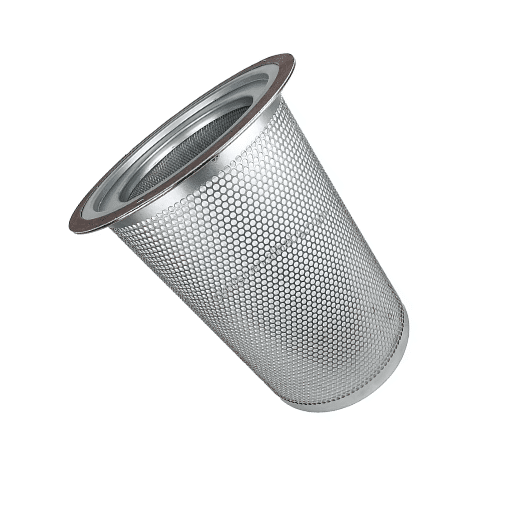
Screw Compressor Air Oil Separator: Replacement Guide
Read MoreScrew Compressor Air Oil Separator: Replacement Guide
Rotary Screw Compressor Oil: Types, ISO Grades, Intervals
Read MoreRotary Screw Compressor Oil: Types, ISO Grades, Intervals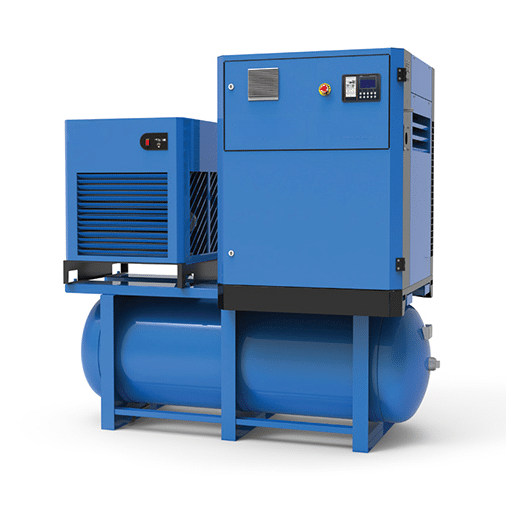
How Does an Oil-Injected Rotary Screw Compressor Work?
Read MoreHow Does an Oil-Injected Rotary Screw Compressor Work?Final Thoughts on Tow Behind Air Compressor
Portable air compressors are invaluable assets in numerous industries due to their versatility and efficiency. They offer the power needed to operate various pneumatic tools, from sandblasting to drilling, while their compact design allows for easy transportation across job sites. Investing in a tow behind air compressor that aligns with your specific requirements can significantly enhance operational productivity and reduce downtime. With technological advancements, these compressors continue to evolve, offering even greater reliability and performance, making them indispensable for modern industrial applications.
Frequently Asked Questions (FAQs)
A tow behind air compressor is a portable, heavy-duty air compressor designed to be easily transported by attaching it to a vehicle. It is typically used for industrial, construction, and large-scale projects requiring compressed air at high volumes.
Choosing the right tow behind air compressor depends on the required air pressure (PSI), cubic feet per minute (CFM) output, and specific application. Consider the size, power source, and intended use to ensure optimal performance.
Most tow behind air compressors are powered by diesel engines, although some models may use gasoline or other fuel types. Diesel engines are popular due to their efficiency and ability to handle demanding applications.
Yes, many tow behind air compressors can handle multiple tools at once, provided the combined air demand of the tools stays within the compressor’s CFM rating and pressure capacity.
Tow behind air compressors are built to withstand tough conditions, including varying weather. However, it is important to follow the manufacturer’s maintenance guidelines for extreme cold or hot environments to ensure reliability.
Routine maintenance is essential for optimal performance. Key tasks include checking oil and fuel levels, inspecting air filters, and cleaning the compressor. Refer to the user manual for specific maintenance schedules.