
Belt-Driven Oil-Injected Compressor: An Overview of Industrial Air Compressors
Industrial air compressors are pivotal components in modern manufacturing and production processes, offering a range of applications from powering pneumatic tools to facilitating high-pressure systems. Among the various types available, belt-driven oil-injected compressors stand out due to their efficiency and suitability for demanding industrial environments. These compressors serve as the backbone for many industries, ensuring that operations run smoothly and efficiently.
High Efficiency
Superior Durability
Advanced Cooling System
Low Noise Operation
What Defines a Belt-Driven Oil-Injected Compressor
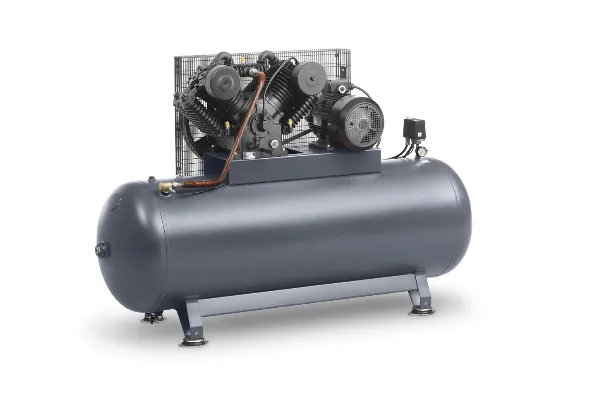
A belt-driven oil-injected compressor utilizes a belt system to transfer power from the motor to the compressor pump, enabling flexible speed control and reliable operation. The oil injection ensures efficient lubrication and cooling, enhancing overall performance, extending equipment lifespan, and providing consistent compressed air quality across demanding industrial applications.
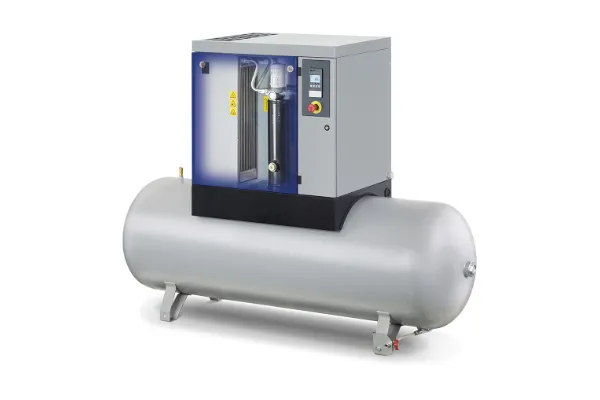
Benefits of Using Belt-Driven Oil-Injected Compressor
Belt-driven oil-injected compressors deliver robust performance, operational flexibility, and efficiency in industrial applications. Below are four key benefits of integrating these compressors into your operations
The belt-driven design allows for adjustable motor speed, enabling the compressor to match air output to demand. This improves energy usage and minimizes unnecessary power consumption over time.
Oil injection ensures proper lubrication and cooling, which stabilizes operation and results in steady, high-quality air output even during extended continuous use or fluctuating workloads.
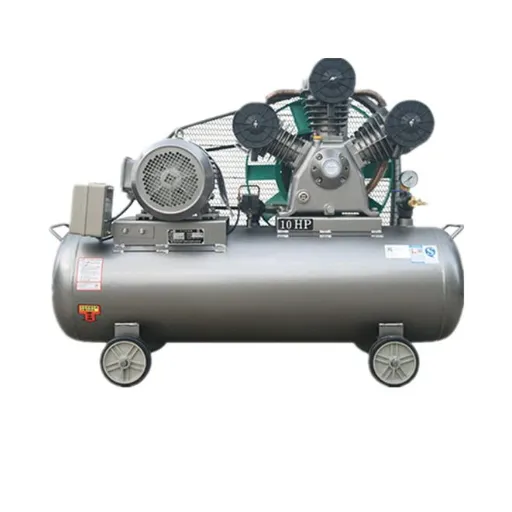
With effective oil injection and a simplified transmission mechanism, these compressors experience less wear and tear, requiring fewer maintenance interventions and reducing downtime for industrial users.
Suitable for a wide range of environments, belt-driven oil-injected compressors adapt efficiently to different system configurations, supporting diverse industrial processes and specific project requirements.
Belt-Driven Oil-Injected Compressor Specifications and Performance Data
| Parameter | Specification |
|---|---|
| Power Output7.5–75 kW | 7.5–75 kW |
| Air Delivery | 1.2–13.0 m³/min |
| Maximum Working Pressure | 8–13 bar |
| Drive Type | Belt-driven |
| Lubrication Method | Oil-injected |
| Cooling Method | Air cooled |
| Operating Voltage | 380V/3Ph/50Hz |
| Noise Level | 65–75 dB(A) |
| Ambient Temperature Range | -5°C to 45°C |
| Protection Level | IP54 |
| Control Mode | PLC or microprocessor based |
| Dimensions (L × W × H) | Varies by model (see product datasheet) |
| Weight | 400–1800 kg (depending on configuration) |
| Outlet Diameter | G1" – G2" |
| Recommended Oil Type | ISO VG46 or equivalent |
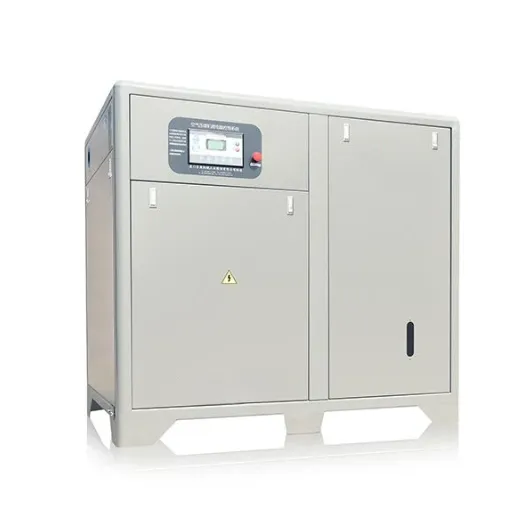
Why Choose Belt-Driven Oil-Injected Compressor
Proven Reliability Across Industries
Belt-driven oil-injected compressors are built to meet the demands of continuous operation, delivering stable performance for a diverse range of industrial applications. Their time-tested design ensures dependable operation in challenging environments.
Superior Energy Efficiency and Cost Savings
Engineered to provide optimal airflow with minimal power consumption, these compressors help businesses reduce energy expenses while maintaining consistent output. The efficient drive system translates to long-term operational savings and sustainability.
Flexible Maintenance and Easy Servicing
Designed with user accessibility in mind, belt-driven compressors allow for straightforward inspection and maintenance procedures. This makes it easy for technicians to service the equipment, minimize downtime, and extend service intervals.
Robust Construction for Long Lifespan
Manufactured using high-quality components and an emphasis on durability, these compressors offer excellent resistance to wear and tear. Their robust construction guarantees a long operational lifespan, even when subjected to demanding workloads and harsh conditions.
Key Application Scenarios for Belt-Driven Oil-Injected Compressor
Industrial Manufacturing Operations
Belt-driven oil-injected compressors deliver consistent and reliable compressed air, supporting a wide range of machinery, automation lines, and production processes across industries such as automotive and electronics.
Food and Beverage Processing
These compressors are essential for powering pneumatic equipment in food and beverage facilities, where stable pressure and dependable performance are critical for meeting rigorous safety and quality requirements.
Textile and Garment Production
In textile manufacturing, compressed air is required for spinning, weaving, dyeing, and finishing processes. The durability and efficiency of belt-driven compressors ensure minimal disruptions and optimal output quality.
Workshop and Service Environments
Automotive repair shops and service workshops rely on belt-driven oil-injected compressors to operate pneumatic tools, spray guns, and cleaning equipment, benefiting from reduced noise and reliable air supply.
Factors to Consider When Selecting Belt-Driven Oil-Injected Compressor
Assessing Operational Requirements
It is essential to evaluate the specific air demand, duty cycles, and environmental conditions of your application. Understanding these parameters enables the proper sizing and configuration of the compressor to achieve consistent performance and operational efficiency.
Maintenance and Total Cost of Ownership
Carefully factor in routine maintenance needs, expected service intervals, and overall lifecycle costs. Opting for a compressor with robust support and accessible components can significantly reduce downtime and contribute to long-term cost savings.
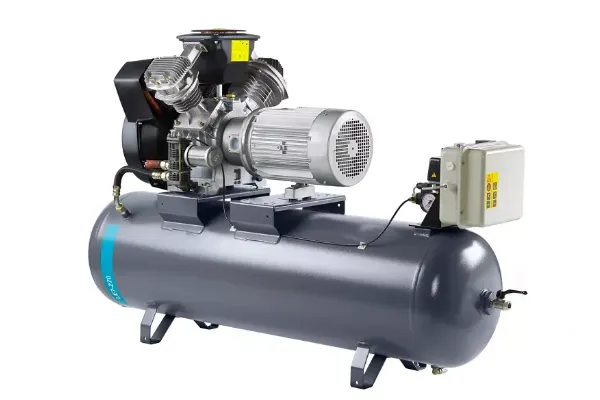
Maintenance and Care for Belt-Driven Oil-Injected Compressor
Proper maintenance is fundamental to ensuring the reliability and operational efficiency of belt-driven oil-injected compressors. Routine inspections should include monitoring belt tension, checking for signs of wear, and verifying lubrication levels to prevent premature component failure. Scheduled oil changes, regular filter replacements, and cleaning of intake areas are crucial for maintaining optimum airflow and minimizing the risk of contamination. Adherence to manufacturer guidelines and using recommended parts extends the service life of the compressor while helping to maintain consistent system performance. Periodic professional servicing is also advised to identify potential issues early, thereby reducing unexpected downtime and optimizing total cost of ownership.
Our Latest News
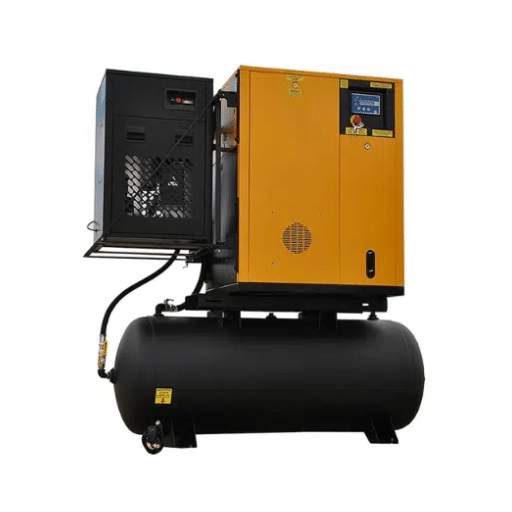
Screw Compressor Oil Carryover: Causes, Diagnostics, and Fixes
Read MoreScrew Compressor Oil Carryover: Causes, Diagnostics, and Fixes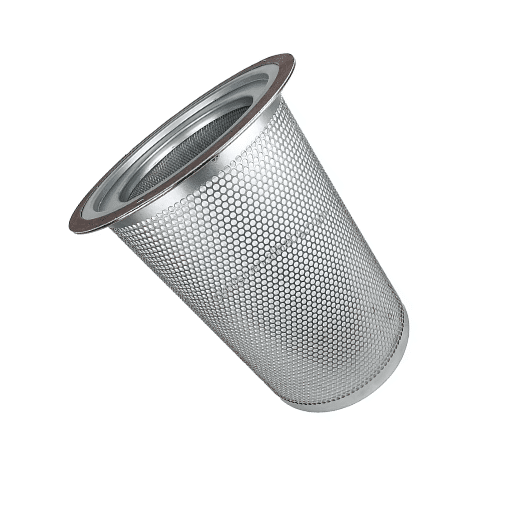
Screw Compressor Air Oil Separator: Replacement Guide
Read MoreScrew Compressor Air Oil Separator: Replacement Guide
Rotary Screw Compressor Oil: Types, ISO Grades, Intervals
Read MoreRotary Screw Compressor Oil: Types, ISO Grades, Intervals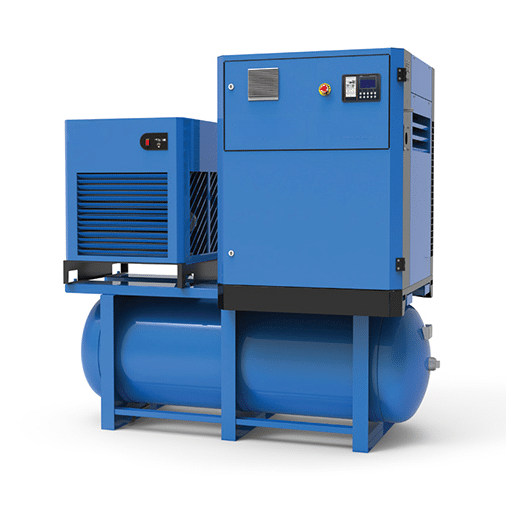
How Does an Oil-Injected Rotary Screw Compressor Work?
Read MoreHow Does an Oil-Injected Rotary Screw Compressor Work?Request a Quote for Your Belt-Driven Oil-Injected Compressor
Looking to enhance your operations with a reliable belt-driven oil-injected compressor? Request a customized quote today and discover solutions tailored to your facility’s requirements. Our team offers expert guidance on selecting high-performance, energy-efficient compressors designed for industrial applications. Contact us now to receive competitive pricing and detailed technical support for your belt-driven oil-injected compressor needs.
Frequently Asked Questions (FAQs)
A belt-driven oil-injected compressor utilizes a belt and pulley system to transfer motor energy to the compression unit, with oil injection for lubrication, cooling, and sealing.
The belt drive allows for flexible speed adjustment, efficient maintenance, and quieter operation compared to direct-drive systems, making it suitable for diverse industrial environments.
Routine maintenance, including belt inspection, oil changes, and filter replacements, should be conducted according to the manufacturer’s recommendations, typically every 2,000 to 4,000 operating hours.
Belt lifespan depends on alignment, tension, operational load, environment, and maintenance frequency. Regular inspection and prompt tension adjustments are critical for durability.
Yes, when properly sized and maintained, these compressors provide reliable performance for continuous-duty operations in manufacturing, automotive, and processing industries.
Belt-driven oil-injected compressors are engineered with advanced enclosure designs, low-vibration components, and precision-balanced belts to reduce operational noise in workplace environments.