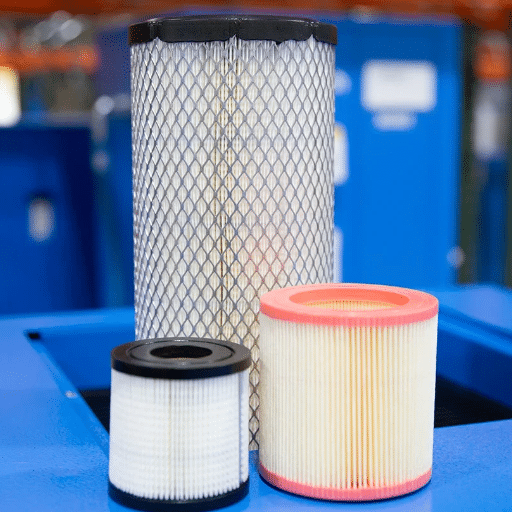
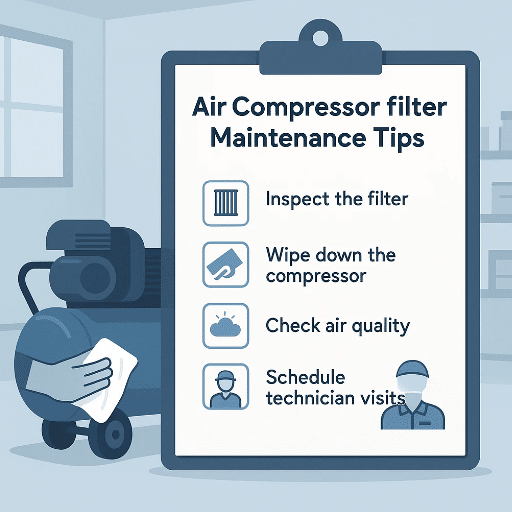
Screw compressors require proper air filter maintenance to achieve peak operation status during extended time periods. The central industrial equipment needs clean airflow which does not face any restrictions because this condition allows the equipment to function at its best and endure for extended periods. The equipment will experience energy efficiency losses and higher maintenance costs and operational halts when operators neglect to replace filters and perform necessary maintenance at scheduled times.
The guide presents practical solutions which experienced technicians and beginners can use to handle compressor service maintenance tasks while learning how to identify air filter replacement needs and establish optimal equipment efficiency maintenance procedures.
Understanding Air Filters in HVAC Systems
What is an Air Filter?
Air filters function as machines which eliminate airborne particles that include dust and dirt and pollen and other contaminants from air systems. The HVAC system relies on air filters to deliver clean air which protects its internal parts from contamination while maintaining safe indoor air quality. The system achieves extended lifespan and operational performance because it captures undesired particles through its process.
Types of Air Filters Used in HVAC Systems
HVAC systems utilize multiple air filter types designed to fulfill specific performance and efficiency needs:
1. Fiberglass Air Filters
The most fundamental mechanical filter system offers its most economical solution with its fiberglass-based filter system which uses multiple fiberglass fiber layers for construction. The system functions by capturing dust and debris that are larger than designated size limits which prevents these materials from entering the HVAC system. The system fails to filter out most tiny particles that exist in both indoor and outdoor environments.
2. Pleated Filters
The filters use polyester and cotton fabric which they design with pleats to improve their ability to filter materials more effectively than fiberglass filters. The increased surface area helps trap smaller particles like pollen, mold spores, and dust mites. Different MERV ratings are available for varying pleated filter efficiency levels.
3. HEPA Filters (High-Efficiency Particulate Air)
HEPA filters achieve an overall filtration efficiency of 99.97 percent for particles that measure 0.3 micrometers or larger in aerodynamic equivalent diameter. The products meet requirements for environments that need to maintain strict air cleanliness standards which include hospital facilities and industrial cleanroom spaces. The system delivers excellent air purification results but requires system changes because its airflow resistance exceeds what some HVAC systems can handle.
4. Electrostatic Air Filters
The system uses an electric charge which enables electrostatic filters to attract and capture airborne particles. The filters offer two options which includes reusable washable filters and disposable filters while their economical design exists in certain product models. The filters provide effective allergen capture which makes them popular among homeowners who suffer from allergies.
5. Activated Carbon Filters
Activated carbon filters use charcoal material to form an air purification system which neutralizes unpleasant odors and hazardous gases and VOCs from the air. The filters permit greater volume of debris to pass through their system compared to other filter systems. Activated carbon filters work best in spaces where people detect unpleasant odors and dangerous chemical materials.
6. UV Light Filters
UV light filters eliminate bacteria and germs and viruses and airborne mold through their use of ultraviolet light technology. The technology enables the system to conduct pollution control through biological methods instead of physical methods. Most environments contain air-borne biological contaminants which require multiple air cleaning systems to provide effective solutions.
Key Consideration: The choice of air filter depends on the specific needs of the facility which includes its filtration requirements and energy efficiency requirements and the types of air contaminants that will be present. Proper filter data analysis requires evaluation of MERV ratings and airflow matching to achievemaximum system performance and optimal indoor air quality results.
Importance of Air Filter Maintenance
Your HVAC system requires clean filters because clean filters enable your system to operate efficiently while extending its operational lifespan. The system will experience decreased airflow and increased energy consumption together with the buildup of dangerous materials when maintenance activities remain undone. The system requires regular filter checks and prompt filter replacements to sustain its operational efficiency while delivering better air quality and reducing costly repair expenses.
Air Filter Maintenance Guide
Setting a Filter Change Schedule
The system manual contains filter change recommendations which users should follow to schedule their filter replacements. The system requires monthly filter checks which should be replaced every 1 to 3 months based on the system’s usage and air quality conditions. Users should clean washable filters and let them dry at the times which the manufacturer recommends. The schedule needs to be followed exactly which will lead to the best air quality and system performance.
Warning Signs Indicating Air Filter Replacement
Watch for These Critical Signs:
The system experiences reduced air circulation because weak airflow from vents indicates a filter that operates at less than optimal performance due to its clogged condition. Higher dust accumulation on air filters requires the system to use additional energy which results in increased electricity expenses. The presence of visible dust demonstrates that the filter fails to perform its function of trapping particles from the air. Bad smells emanating from heating and cooling systems indicate the overdue filter has become a storage site for contaminants. The filter needs replacement or deep cleaning when visual inspection shows it has reached an extremely dirty condition.
Benefits of Regular Air Filter Replacement
Improving Indoor Air Quality
The process of changing air filters regularly leads to better indoor air because it removes dust and pollen and pet dander which decrease air quality. The HVAC system achieves better performance when you keep the filter clean because it allows safe air movement which helps people with allergies and breathing problems.
The process of regular system maintenance protects indoor environments from mold spores and bacteria because it prevents these pollutants from entering the system. The two contaminants which endanger indoor air quality also transmit infectious diseases so maintaining clean air filters becomes essential for health protection.
The process of changing air filters at appropriate times delivers two main advantages which include better system performance and reduced damage to HVAC parts that help maintain cleaner air throughout the residence.
Enhancing HVAC System Efficiency
Best Practices for Maximum Efficiency:
The system requires regular filter changes since obstructed filters prevent air movement which makes the system operate with increased effort. The recommended schedule requires filter changes at specific intervals which occur every one to three months. Ductwork requires proper sealing because it prevents air leakage which allows treated air to reach all areas of the building. The system enables users to manage temperature changes which results in energy savings during times when no one is present. The installation of proper insulation throughout the home leads to significant energy savings which allows HVAC systems to maintain their intended temperature levels.
By implementing these techniques, homeowners can optimize HVAC system functioning, reduce energy waste, and extend the operational lifespan of their equipment.
Preventing Clogged Filters
Blocked filters are a major cause of HVAC system efficiency degradation, triggering greater energy expenses, indoor air quality deterioration, and potential system malfunction. To avoid filter clogging, note these checkpoints:
Prevention Strategy
Implementation Details
Timely Filter Replacement
The evaluation of filters will occur on a monthly basis through the replacement process which will take place every 30 to 90 days for low and mid-range filter types. The assessment of HEPA filters requires more frequent testing than standard examination intervals.
Monitor Environmental Features
Houses located in areas with elevated dust levels and pet hair presence and seasonal pollen combinations need their filters checked more often than standard requirements. Vacuuming and dusting activities used for indoor cleaning purposes effectively reduce the amount of airborne particles.
Select the Right Filter Type
The process of selecting filters serves as the primary factor which determines the success or failure of HVAC systems. The system will experience airflow limitations when high MERV-rated filters are used because the system requires different filters to operate properly. The system manuals should be consulted to verify equipment compatibility.
Regular Preventive Maintenance
Thermal systems undergo inspections conducted by certified technicians to identify any filter issues that need resolution. The cleaning of system components by professionals enables better airflow, which leads to maximum system efficiency during operation.
Homeowners can expect cleaner airflows, higher system efficiency, and extended HVAC unit life by religiously implementing these preventative measures.
Replacing Your Air Filter in Screw Compressors
Choosing the Right Filter Type for Your Compressor
The manufacturer provides specific air filter selection guidelines which you should follow to achieve proper equipment compatibility and optimal performance. You need to assess the operating environment before making any decisions. In environments with dust and dirt, select a filter that offers high dirt-holding capacity. The filter rating needs analysis to confirm its ability to filter fine particles without blocking airflow. Use filters that contain high-quality materials because they provide better operational performance and increased longevity. The company should establish regular inspection and maintenance schedules to maintain equipment functionality while extending compressor service life.
Mistakes to Avoid During Air Filter Replacement
Common Errors to Prevent:
❌ Wrong Filter Type: You must acquire a filter replacement which matches the requirements of your compressor system. The system will experience both performance problems and equipment failures when components do not match properly.
❌Faulty Installation: The system will experience air leaks and dirt problems because of incorrect equipment placement during the installation process.
❌ Filter Housing Dirt: During filter replacement, check for dirt or obstructions that could contaminate the new filter, detracting from its effectiveness and working life.
❌ Schedule Negligence: The compressor efficiency decreases and parts experience premature damage when air filters remain in use beyond their scheduled replacement time. You must follow the established replacement times without exception.
Conclusion: Prioritizing Air Filter Maintenance
Maintenance Practices Overview
Essential Maintenance Checklist:
The United States Air Force Academy requires regular inspections to maintain operational standards for its air filters through a schedule that needs to be checked for dirt and debris and visible wear. The maintenance team must execute proper timing for equipment replacement according to manufacturer guidelines which will ensure peak functionality while protecting against operational failure. The installation process needs to begin with complete compliance to all provided installation guidelines because improper execution will result in two specific problems which include air leaks and decreased operational efficiency. The process requires urgent filter housing cleaning before new filter installation because housing needs to be spotless before the next operation. The organization needs to assess environmental conditions which include excessive dust and moisture because these factors will determine their inspection and replacement schedule.
Advantages of Regular Air Filter Maintenance
The correct maintenance of air filters helps to extend the operational life of HVAC systems by maintaining consistent air flow and reducing the operational demands of system parts. The use of clean air filters results in improved energy efficiency which leads to lower utility expenses and decreased environmental effects. The system improves indoor air quality by removing dangerous contaminants such as germs, dust, pollen, and dirt which helps to reduce allergies and breathing difficulties. The essential practice of regular maintenance protects both residential and commercial systems from expensive repair costs which result from unclean or malfunctioning air filters.
Final Tips for Maintaining Air Quality
The air filters need to be changed at established time periods because this practice helps maintain optimal filtration and airflow performance while blocked filters will reduce system performance. The indoor humidity needs to be maintained under 60 percent which requires using either a dehumidifier or an air conditioner because this measure will stop mold and mildew from developing. Indoor plants should be considered because their air-purifying abilities benefit indoor environments but people with allergies should avoid those plants. The use of exhaust fans should be implemented to ventilate rooms especially in kitchens and bathrooms because these fans effectively remove both pollutants and humidity from the space. The indoor space will maintain its cleanliness because sensor devices work to identify air pollutants.
Frequently Asked Questions (FAQ)
Q: What is air filter maintenance and why is it essential?
A: Air filter maintenance is routine maintenance that keeps HVAC air filter, furnace filter, cabin air filter and air filtration system components clean and functioning. The correct procedure for air filter maintenance protects the filter element while it enhances air quality and stops contaminated air from passing through your home air filters and central air system. The basic maintenance task of cleaning or replacing filters should be done regularly to protect airflow and minimize the chances of filter blockages which will help maintain healthy indoor air quality; this basic maintenance task will result in longer HVAC system life and better air purification capabilities.
Q: How often should I follow a filter change schedule for home and commercial systems?
The filter change schedule needs to consider three factors, which include the specific filter type and the filter’s usage pattern and the characteristics of the surrounding environment. Standard air filters in a typical home often need changing every 30–90 days, while HEPA or pleated HVAC filters may last longer. All air compressors and compressed air systems require compressor filter replacement at more frequent intervals than monthly, which depends on both particulate load and operating hours. The maintenance schedule should include filter inspections to detect dirty or clogged air filters, which will help you decide between filter replacement and filter element cleaning.
Q: What are signs of a dirty or clogged air filter I should watch for?
A: Signs of a dirty filter include reduced airflow, poor air quality, increased dust, higher energy bills and the HVAC system working harder. The air filter removal process lets you see three problems which include uneven room temperatures and noisy blower motors and visible dirty filters. A clogged air filter can impact system performance and even cause filter failure, so replace the filter or clean and maintain according to the maintenance guide when you see these signs.
Q: Can I clean an air filter instead of replacing it, and how do I properly clean one?
A: Some filters are washable and can be cleaned, but many disposable HVAC filters and furnace filters should be replaced. The procedure for cleaning washable filters begins with air filter removal followed by vacuuming or water rinsing until complete drying occurs and the filter needs to be installed according to its directional arrows. The manufacturer instructions should be followed for air compressor maintenance which includes cleaning air compressor filters and replacing filter elements at appropriate intervals. The process of filter verification requires checking both the filter type and the cleaning recommendations because this step protects the filter from damage and maintains indoor air quality.
Q: How does compressor filter replacement differ from HVAC filter replacement?
A: Compressor filter replacement focuses on protecting compressed air systems from particulates, oil and moisture; these filters often include coalescing and particulate stages and may require air filter oil management for some types. HVAC filter replacement targets indoor air quality and airflow through the HVAC system, using furnace filters, pleated filters or HEPA options. Both require a maintenance schedule but compressor filters typically need more frequent attention due to industrial loads and the need for clean compressed air
Key Takeaway
Regular air filter maintenance is essential for optimal HVAC and compressor performance. By following manufacturer recommendations, monitoring warning signs, and implementing preventive measures, you can ensure efficient operation, improved air quality, and extended equipment lifespan while avoiding costly repairs and energy waste.