
208V Electric Compressor: The Ultimate Guide to Air Compressors
In the world of air compressors, understanding the intricacies of their components is crucial for optimal performance and efficiency. One such critical component is the 208V electric motor. These motors are integral to the functioning of many air compressors, particularly those used in industrial applications. Whether you’re dealing with a piston air compressor, a 2-stage model, or a rotary type, the electric motor’s performance can significantly impact the compressor’s overall efficiency and reliability.
High-Efficiency Motors
Precision Control Systems
Durability and Reliability
Comprehensive Safety Features
What Defines a 208V Electric Compressor
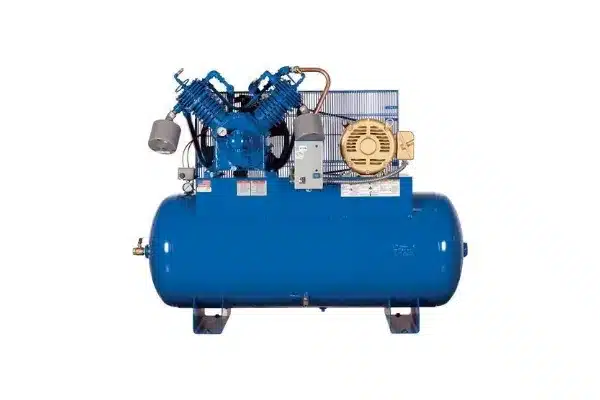
A 208V electric compressor is distinguished by its compatibility with industrial power systems, advanced operational efficiency, and precise engineering. These compressors deliver consistent, high-performance output suited for demanding applications. Equipped with enhanced control mechanisms and rigorous safety features, they provide reliable operation, improved energy utilization, and reduced maintenance requirements, making them an optimal choice for professional and industrial environments.
Benefits of Using 208V Electric Compressor
208V electric compressors offer a range of advantages that address critical operational requirements in industrial and professional settings. Their distinctive design and engineering contribute to superior reliability, safety, and efficiency.
Thanks to advanced motor technologies and optimized power management, 208V electric compressors significantly reduce energy consumption, supporting cost savings and improved sustainability over time.
With robust internal components and automated monitoring features, routine maintenance needs are minimized, leading to increased equipment uptime and reduced long-term servicing costs.
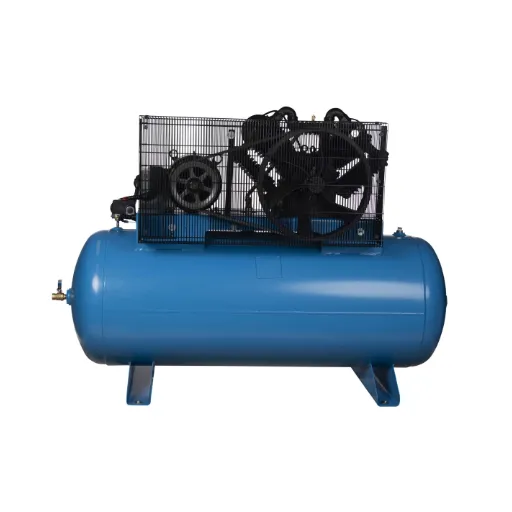
Engineered for stable operation, these compressors maintain reliable performance even under fluctuating loads, ensuring high-quality output and minimal downtime for essential industrial processes.
Sophisticated safety mechanisms are integrated throughout the system, protecting operators and equipment while meeting stringent industry standards and regulatory requirements in demanding work environments.
208V Electric Compressor Specifications and Performance Data
| Parameter | Specification |
|---|---|
| Operating Voltage | 208V AC, Three-Phase |
| Power Rating | 5–30 HP (varies by model) |
| Maximum Working Pressure | 125–175 PSI (8.6–12.1 bar) |
| Flow Rate | 15–120 CFM (0.42–3.4 m³/min) |
| Motor Efficiency | IE3 Premium Efficiency |
| Control System | Digital, programmable logic controller (PLC) |
| Cooling Method | Air-cooled or water-cooled options |
| Noise Level | ≤ 75 dB(A) |
| Duty Cycle | 100% Continuous |
| Safety Features | Overload protection, phase loss protection, alarms |
| Dimensions (L×W×H) | 1200×800×1100 mm (model-dependent) |
| Weight | 300–800 kg (model-dependent) |
Why Choose 208V Electric Compressor
Exceptional Stability and Performance
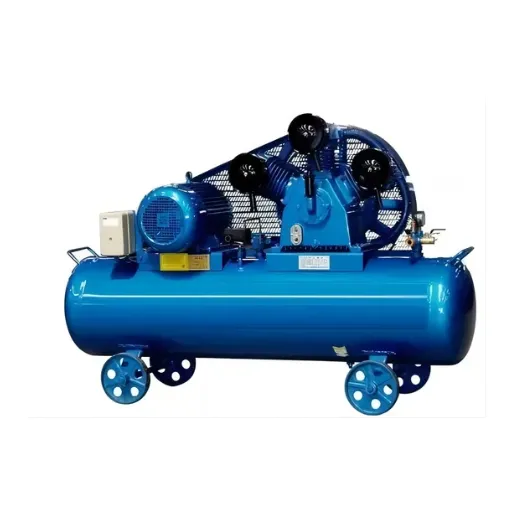
208V Electric Compressors are engineered for reliable operation under demanding conditions, providing consistent airflow and pressure for critical industrial applications. Their robust design ensures long-term stability, minimizing unplanned downtime and maintenance interventions.
Advanced Energy Efficiency
Integrating high-efficiency motors and precision control systems, these compressors significantly reduce energy consumption and operational costs. Optimized for maximum performance-to-power ratios, they offer improved sustainability while meeting rigorous industry efficiency standards.
Comprehensive Safety and Compliance
Each unit features multiple safety mechanisms, including overload protection, phase loss alarms, and advanced control protocols. Certified to comply with leading electrical and industrial safety standards, 208V Electric Compressors guarantee safe integration within complex facility environments.
Key Application Scenarios for 208V Electric Compressor
Industrial Manufacturing
208V Electric Compressors are widely used in high-demand manufacturing processes, delivering consistent compressed air for automation, assembly lines, and precision machining applications.
Commercial HVAC Systems
These compressors provide reliable air supply for commercial heating, ventilation, and air conditioning systems, supporting precise climate control in large office buildings, shopping centers, and hospitals.
Food and Beverage Processing
In food and beverage plants, 208V Electric Compressors help ensure hygienic, oil-free air delivery for packaging, bottling, and pneumatic conveying processes, maintaining production quality and safety standards.
Laboratory and Healthcare Facilities
The technology is essential in laboratories and medical facilities, providing clean, stable compressed air for sensitive equipment such as analytical instruments, dental tools, and respiratory devices.
Manufacturing Processes for 208V Electric Compressor
Precision Component Fabrication
All primary components of the 208V Electric Compressor, including rotors, stators, and casings, are produced using high-precision CNC machining and advanced quality control protocols. This approach ensures the dimensional accuracy and material integrity required for reliable, long-term operation in demanding environments.
Assembly and Testing Procedures
During assembly, each unit undergoes rigorous multi-stage quality checks, including electrical insulation testing, leak detection, and functional verification under simulated operating conditions. This comprehensive process guarantees that every compressor meets strict performance specifications and international safety standards before leaving the factory.
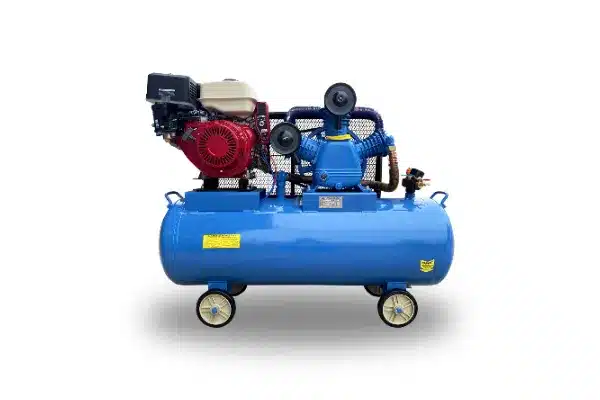
Maintenance and Care for 208V Electric Compressor
Routine Inspection and Cleaning:
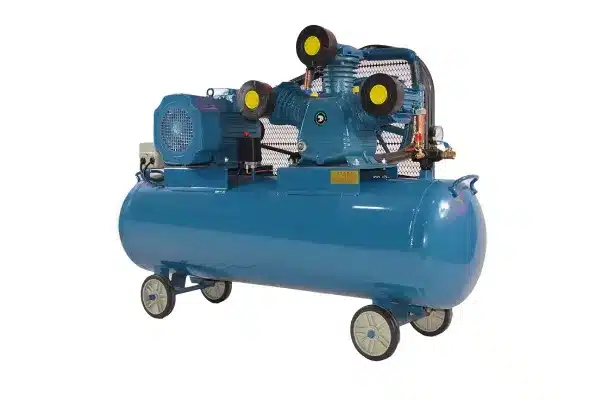
Regular visual inspections are essential to identify potential issues such as dust accumulation, loose connections, or signs of wear. Cleaning air filters and accessible components helps maintain optimal airflow and supports efficient compressor operation over time.
Scheduled Preventive Maintenance:
Implementing a structured maintenance schedule, including lubrication of moving parts, checking for electrical integrity, and monitoring system pressure, enhances reliability. Proactive replacement of consumables and timely adjustments prevent minor concerns from escalating into costly system failures.
Professional Servicing and Troubleshooting:
When complex issues arise, engaging certified technicians ensures precise troubleshooting and repair in accordance with manufacturer guidelines. Expert servicing not only addresses current faults but also helps optimize long-term performance and extend compressor service lifespan.
Our Latest News
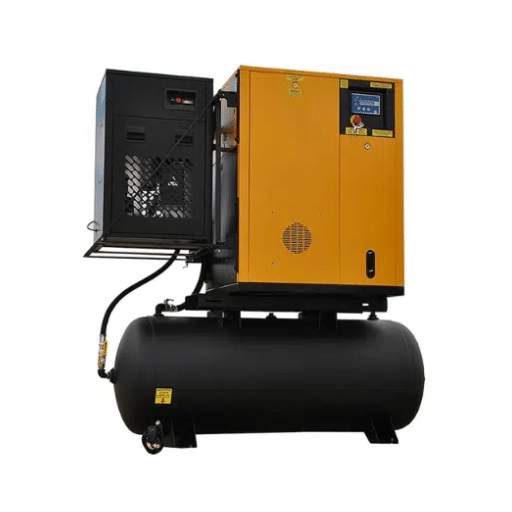
Screw Compressor Oil Carryover: Causes, Diagnostics, and Fixes
Read MoreScrew Compressor Oil Carryover: Causes, Diagnostics, and Fixes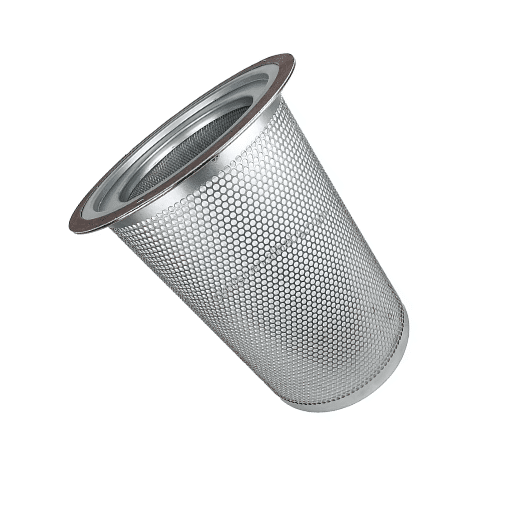
Screw Compressor Air Oil Separator: Replacement Guide
Read MoreScrew Compressor Air Oil Separator: Replacement Guide
Rotary Screw Compressor Oil: Types, ISO Grades, Intervals
Read MoreRotary Screw Compressor Oil: Types, ISO Grades, Intervals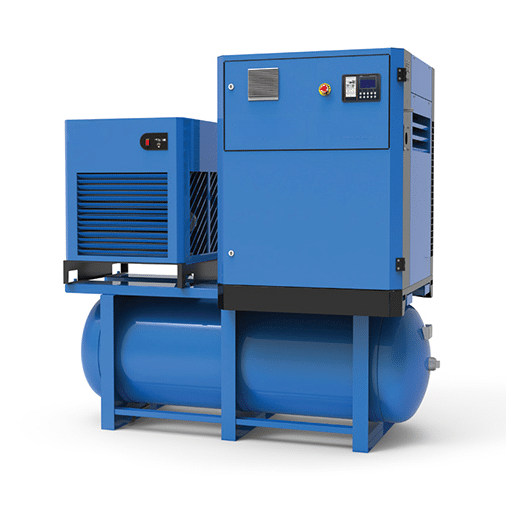
How Does an Oil-Injected Rotary Screw Compressor Work?
Read MoreHow Does an Oil-Injected Rotary Screw Compressor Work?Request a Quote for Your 208V Electric Compressor
For detailed pricing, technical consultation, or tailored solutions to your operational requirements, please contact our expert team. We deliver prompt, accurate quotes and comprehensive guidance to ensure you select the best 208V electric compressor for your application. Reach out today to optimize your facility’s performance and efficiency.
Frequently Asked Questions (FAQs)
A 208V electric compressor is an industrial air compression system powered by a 208-volt electrical supply, commonly used in commercial and manufacturing environments where stable and efficient air delivery is required.
Key advantages include enhanced operational efficiency, precise control over air output, lower energy consumption, and compatibility with industrial-grade electrical systems, making it well-suited for demanding applications.
Yes, these compressors are specifically designed for continuous or heavy-duty cycles, featuring robust components and advanced cooling systems that maintain optimal performance under extended use.
Professional installation is strongly recommended to ensure compliance with electrical codes, proper grounding, and integration into your facility’s air supply systems. This minimises downtime and safeguards equipment.
Routine maintenance involves checking and replacing filters, lubricating moving parts, monitoring electrical connections, and performing regular system inspections to prevent faults and extend service life.
Selection is based on factors such as required air flow, pressure output, duty cycle, and the specific operational conditions of your facility. Technical consultation is available to support optimal model selection.