
Electronics Manufacturing Oil-Free Compressor Solutions

Introduction to Electronics Compressors in Manufacturing
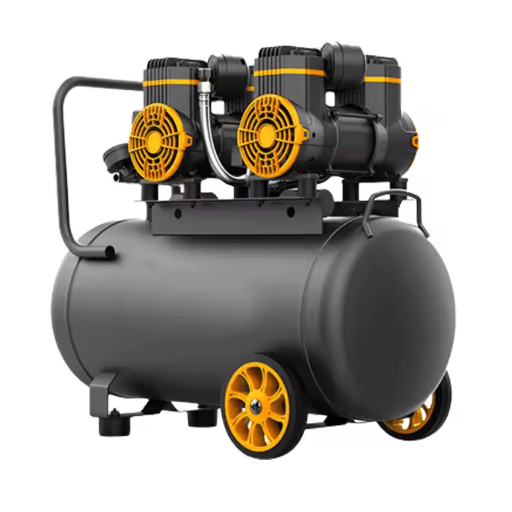
The use of an adequate electronic compressor is fundamental in manufacturing processes, mainly because clean, consistent compressed air is a prerequisite for any high-precision activity. For instance, oil-free compressors, as they are known, unlike conventional ones, eradicate all possibility of oil ingress, which would otherwise damage and render the delicate electronics assembly useless. This is driven by the need to perform various operations such as semiconductor manufacturing, board assembly, coating, among other activities, which tend to all require the highest levels of workmanship and quality. With the provision of clean and satisfactory air, electronic compressors facilitate the majority of the activities, increase efficiency, and reduce maintenance that will meet the complex and high-tech specifications.
Definition and Importance of Electronics Compressors
An electronics compressor is an industry-specific piece of equipment that generates compressed air free from any moisture or contaminants for instrumentation and other pre-defined processes. They are used in industries where minute amounts of moisture, solid particles, or even oil in the working environment may cause failure or harm the product being manufactured, such as in the case of making silicon wafers, electronics printing, advanced approaches and others.
There are various reasons why an electronics compressor deserves attention. It has been made to perform at high standards and unrivaled accuracy. Developing elaborate electronic systems requires a lot of synthetic clean air that damages its operation-less by producing defects and therefore diminishing the life of the equipment and even the production process. Furthermore, these compressors, in addition to meeting the most stringent requirements about being environmentally and operationally notion discharge non exhaustible industries. They carry out a very important function to uphold and prolong the usable life span of the most basic rise of the technological advances equipment components.
Role of Oil-Free Compressors in Precision Manufacturing
Pressure-driven devices that do not use oil have become a necessity in complex fabrication processes as they provide clean, compressed air that is paramount in maintaining standards required in such areas. This, in turn, eliminates the possibility of introducing oil carryover, hence meeting the necessary safety regulations, especially where electronics, medicine, and food are involved. They lower the requirements for the separation of the outlet airstream, thus making the whole arrangement more straightforward as well as easing the facility’s labour-intensive efforts and increasing its utilization of equipment. More so, the oil-free process reduces repair or maintenance costs concerning damaged machines as a result of oil contamination, therefore increasing performance prestige and reducing delays. As such, oil-free compressors are highly useful in settings where there is a need to achieve clean output competently and environmentally.
Advantages Over Traditional Compressors for Electronics Applications
If we consider electronics, a compressor employing oil-free principles has a number of advantages, which is quite an important factor considering its nature of operation, as such an area cannot tolerate any contamination. An evident advantage is that there’s the total exclusion of oils in the process, especially where there’s a need to manufacture a gadget that must get compressed air for its fabrication, like semiconductors and chips, amongst others. Traditional Lubrication Systems, such as compressor oils to lubricate compressors, always come with the risk of adding vapors of oil in the process, which pollute parts of a design and, therefore, necessitate the use of cleaning systems.
Thirdly, oil-free pumps use less power, so energy usage is optimized, hence they have lower energy consumption charges. Considering its anatomy with minimal mechanical losses and enhanced surface finishes, these designs are much more economical in energy usage compared to the old types.
Additionally, businesses hardly ever deal with high operating costs, particularly related to compressors; the increased oil-free developments or advancements in their application will only continue. Another advantage of these compressors is that since the number of oil components that can wear out is radically reduced, saving in wear and tear time, a continuous and uninterrupted operation is achieved. All these factors make oil-free compressors the most appropriate ones for use in electronics compressors and other applications where a high level of accuracy, sanitation, and operation is required.
Traditional vs. Oil-Free Compressors: At a Glance
| Feature | Traditional (Oil-Lubricated) | Oil-Free Compressor |
|---|---|---|
| Contamination Risk | High oil vapour ingress possible | None — zero oil contact |
| Air Quality | Requires heavy downstream filtration | ISO Class 0 achievable |
| Maintenance Frequency | High — oil changes, separator service | Low — fewer wear components |
| Energy Efficiency | Lower efficiency due to friction losses | Optimized — minimal mechanical losses |
| Suitability for Electronics | Not recommended | Industry standard |
Key Benefits of Oil-Free Compressors in Electronics Manufacturing

🌬️ Detoxified Air Quality
Gadgets such as oil-free compressors have no risk of oil entering the system, and thus, the clean air most important in the process of processing electronics cannot be achieved. Cracks in the course of product manufacturing processes are prevented thereby.
🔧 Reduced Maintenance Cost
Due to the fact that the compressors do not need lubricants, there are also fewer maintenance plans required. Which reduces the operational costs and, on the other hand, increases the life of the equipment.
⚡ Enhanced Efficiency & Uptime
Wear and tear caused by systems with oil does not occur, which prevents the machine system from collapsing. Providing manufacturers with an uninterrupted process, thus making their throughput more effective.
✅ Product Quality Assurance
Electronics manufacturing is a great example of where oil-free devices clean out the systems to aggressive levels, to which the quality of the product would have been compromised due to unacceptable compounds.
Environmental Operating Method
There is also an electronics compressor available in the market that converts the electromagnetic pulses or electricity into mechanical energy for compressing the air in its cylinder. Such compressors do not have an oil-using mechanism in their operation, and this makes them referred to as oil-free compressors.
It almost seems as if irony was synonymous with coincidence. In order to reduce costs, manufacturers often seek and implement innovative and less expensive solutions. At the same time, oil-free compressors remain in demand, as they do not require maintenance, allowing them to be used beyond the prescribed operating term, meaning that wear and tear are accelerated.
Enhanced Air Purity and Reduced Contamination Risks
ISO Class 0
The highest air purity classification under ISO 8573-1 — the target standard for pharmaceutical, food & beverage, and electronics manufacturing environments using oil-free compressors.
Using oil-free compressors helps achieve a much higher level of air clarity as it removes oil traces from the compressed air channel completely. The air quality level aspired to – efficacy Class 0 as per the ISO 8573-1 standard is especially important in the pharmaceutical, food beverage, and electronics industries. This also means that the probability of spoilage of products is reduced, therefore sensitive processes are protected, and efficient operation is ensured. These oil-lubricated systems, compared to oil-free solutions engage less filtration work that high costs of maintaining the system and energy are avoided. These make them very useful in processes where air integrity levels are expected to be very high.
Alignment with ISO Standards for Cleanroom Manufacturing
The ISO standards and more specifically ISO 14644 impose strict conditions for cleanroom use activities, to minimize the issues which may occur in very clean environments such as drugs, biotechnology, or electronics compressor manufacturing. These outlines air cleanliness classifications according to the level of suspended particles in the air per meter cubed, ranging from ISO class 1, being a low tolerance class, to class 9 and others, which have higher tolerance. In order to conform to the requirements, it is essential to have effective control over various environmental factors, such as filtration of air, pressure, moisture, and temperature.
An oil-free compressor is one of the main factors that help to achieve these standards, as it provides the compressor with air free from oil contaminants that may come into the cleanroom environment. Complemented with enhanced filtration, the compressors in processes are designed to meet the ISO’s most demanding applications. Such activities of monitoring and validating are factors that ensure the satisfaction of the company, and these activities entail the testing of particles, airflow, and overall environmental particulate levels. By integrating the goals of the manufacturers within the required standards, there is a better product and corruption control related to the electronics compressor.
ISO 14644 Cleanroom Classifications (Overview)
| ISO Class | Particle Tolerance | Typical Application |
|---|---|---|
| Class 1 | Extremely low (strictest) | Advanced semiconductor fabrication |
| Class 3–4 | Very low | Microelectronics, integrated circuits |
| Class 5–6 | Moderate | PCB assembly, pharmaceutical manufacturing |
| Class 7–9 | Higher tolerance | General industrial environments |
Cost-Efficiency and Energy-Saving Attributes
The benefits associated with incorporating cleanroom standards outlined in ISO 14644 far surpass just compliance for the manufacturers. Manufacturers are able to save on energy costs while still being in a position to provide clean environments by efficient airflow systems and limiting unnecessary air changes. It serves to lower the cost of operation across a specified timeline due to, as in the case of advanced filtration systems or the use of energy-saving electronics, compressor HVAC units. In addition, observing the standards reduces waste due to contamination eradicated product rejection levels, leading to increased productivity. All these factors in synergy help in ensuring that the concept of compliance not only caters to the improvement of quality but also to economic operations.
How to Choose the Right Oil-Free Compressor for Electronics Production
-
1
Air Conditions
Assess the prevailing conditions as regards the air quality standards of the specific electronics production. For this reason, oil-free compressors are required by the standard for air purity and its benefits; only IPA Cl. 0 derived from ISO 8573-1 may be used.
-
2
Delivery and Pressure Requirements
Consider the environment, particularly the pressure concerned linear model, in assessing the coverage of the requisite air compressor. This is to ensure that the air compressor selected will keep the production outputs operating optimally without stalling or straining.
-
3
Energy Consumption
Ensure that compressors are equipped with energy-saving technologies such as variable speed drives (VSD). This means that energy-saving devices go a long way in helping save on the costs of production for the majority of the time.
-
4
Maintenance and Reliability
Maintenance Work: Select units that require less maintenance and have better reliability. Features such as condition monitoring capabilities may negate the likelihood of breakages and increase the period of time a compressor works.
-
5
Operational Noise and Environmental Effects
Evaluate how much noise the oil-free compressor produces when it operates and how friendly it is to the environment. A lot of new generations of oil-free compressors are made in such a way as to achieve this, which will allow you to weigh the various noise levels and operating conditions, then choose an appropriate zero oil compressor that is best suited to your production requirements, with efficiency, compliance, and cost-effective operation in the long run.
Primary Considerations: Size, Pressure Rating & Air Quality Standards
Upon evaluating any parameters of an oil-free compressor, there are three considerations that need to be done with an exceptionally high level of accuracy to ensure good performance as well as predictability.
📐
Size
This size is very crucial as it determines what application can be fitted in that space. Some compressors are made to be portable, and they are ideal for applications in cases where the compressors do not require a lot of space and portability is necessary. On the other hand, compressors that are static in nature are ideal for purposes that industrial based or temporary use. When one applies an unrealistic model, one can’t talk of high efficiency. This is lucidly dismissible in the figures given for power consumption by the oversize models and the inability of the undersized ones.
🔩
Operating Pressure Rating
The capacity of the compressor is defined by the amount of pressure it creates, commonly expressed in PSI. Each particular hydraulic equipment has its own optimal operating pressure, so an inappropriate selection of pressure will hinder performance and even lead to the electronic’s destruction with time.
💨
Air Quality Requirements
There are oil-free compressors that help in meeting specific air standards, such as those in the food processing industry, pharmaceutical and electronic industries, where the environment is very sensitive. Professionals recommend using a compressor complying with ISO 8573-1 classification for high levels of cleanliness and compliance.
Almost every piece of this puzzle has been solved only when all the base consideration has been examined and verified, so that the requirements implied by a given industry will be met, ensuring the highest operating standards.
Assessing Durability, Maintenance Requirements, and Noise Levels
When selecting a compressor, it is important to keep in mind that durability will significantly determine the working life and the costs of operation of the appliance. Those who use corrosion-resistant alloys to construct different parts of a compressor, including the shell, will usually have a hard time making it corrode or get destroyed easily. Structures designed in accordance with ISO conventions have an additional safety factor, as they are supposed to last under conditions of high strain.
Serviceability considerations, which can be defined as the effort needed to repair and retrieve a system, should be made with this in mind. In case of such compressors as interpreted above, which have the metal frame but not in so much contact with people, modular configurations help to increase the speed of repairs and the simplicity of procedures like replacement or usual checks of some modules. The purchase of equipment with a long warranty coverage and good after-sales service from the manufacturer not only increases confidence but also saves money in the long run.
Furthermore, considerations for noise are very important, especially when the operations have to be indoors or outdoors in an environment that is very sensitive. Silence has been achieved in low-noise compressors that are below 70 decibels through the use of technologies such as special acoustic canopies and vibration attenuation that are helpful in quietening an operation. Taking into account all these aspects together allows proper functioning and ensures that the equipment lasts longer without any issues with the extra factors mentioned being taken into account that may apply.
Compatibility with Specific Electronics Production Processes
Compressors are an inherent part of the processes of electronics manufacturing as they require utmost stability, precision, and operational hygiene to satisfy the processes. In processes like assembling printed circuit boards (PCBs), manufacturing-integrated circuits, and semiconductor chips, oil-free compressors are usually employed due to the potential for contamination with oil that can weaken the product. There are also variable speed drive compressors VSD, whose air flow can be accurately adjusted in response to applications that demand the cleanest air levels, like soldering processes or pick-n-place machines and other tools in electronics production. It also accommodates the air pressure of the electronics compressor at about 80-120 psi, relevant to the specifications of the equipment, so as to operate it more effectively, as well as protect it from damage.
Comparison of Oil-Free Compressor Brands for Electronics Applications

In relation to the preparation of the right electronics compressor, it is important for one to stay focused and efficient by carefully analyzing the available options and their respective performances. An overview of some noteworthy oil-free compressor manufacturers is provided in this article:
Each producer focusing on one aspect or the other about suitability, expertise, and facility design considers the controversial analysis simple for the consideration of efficiency, has precision, and personnel availability or cost in many cases.
Key Features of Industry-Leading Brands
| Brand | Standout Features |
|---|---|
| Atlas Copco |
|
| Kaeser |
|
| Elgi |
|
Pricing Comparison Aligned with Technical Functionalities
In different cases, evaluating the pricing policies of top compressor manufacturers with variations of functional capacities and purposes in mind, it is quite clear that the overall price of compressors does not come cheap, particularly the premium models – these are specifically designed to be more energy efficient and also have minimal pollution. However, with high specifications such as speed controls, non-oiled structures, and sound-insulated designs, their prices are towards the higher end.
| Tier | Estimated Price Range | Typical Use |
|---|---|---|
| Entry Level | $500 – $1,500 | Common or rare short-duration work |
| Mid-Range | $2,000 – $5,000 | Average-level efficiency, standard production |
| Industrial / High-Capacity | $10,000+ | Continuous operation, heavy-duty tasks |
| Premium / Custom | $20,000+ | Custom enhancements, most sophisticated specifications |
While it is most necessary to consider the cost of purchasing the equipment at first, it is also very important to factor in the cost of operating the equipment, which includes energy consumption and maintenance, in the assessment. High energy efficiency compressors are more expensive than low energy efficiency compressors; however, they are, in most cases, more efficient in the long run, which makes the compressors more economical to use as they not only meet the requirements of sustainability but also reduce the cost of ownership. Moreover, as warranties and after-sales support vary between manufacturers, it is also important to consider these aspects of each brand alongside their cost to make sure that the performance and reliability of the product equate with the cost of the investment.
Customer Reviews and Real-World Performance Metrics
Evaluations from different users of the product, as well as the performance measurement of the electronics compressor in question, do help in ascertaining the dependability quotient of such compressors. Customers’ reviews often depict patterns in terms of what they have the most issues with – such as the noise level, frequency of servicing, or other energy-related dimensions. For instance, compressors with good customer testimonials are usually the ones that are easy to use, have no problems most of the time, and have warranties – all of these are features that are discussed again and again on multiple forums and bazaar websites. Such performance metrics stress that several of such claims made can be extremely dishonest unless adjusted so that they pertain to cfm airflow capacity, efficacy in terms of kw/hr cfm, and the degree to which the compressor will last when used unconditionally. By examining user-based data coupled with comprehensive performance parameters, it is possible for organizations to weigh their options before bearing the brunt of overhead purchase and simultaneously satisfying the service demands.
Best Practices for Maintaining Oil-Free Compressors in Electronics

It is vital to follow certain procedures when maintaining the oil-free compressors used in electronics. Doing so will guarantee optimum performance, a longer service life, as well as maintaining the supplied air quality at all times. Some of these essential habits include:
- ✔
Frequent Checks and Cleaning
Conducting constant checks will capture any unwanted debris, worn-out parts, or contaminants within the compressor system itself. Air filters, valves, and other important parts should be cleaned thoroughly in order to avoid any clogs and ensure effective air flow.
- ✔
Check the Environmental Conditions
Consider operating factors like the Temperatures, Pressures, Humid aqua present. Good environmental conditions will prove helpful as they will help mitigate the chances of violation of moisture or heat, which may prove damaging to the application of electronics.
- ✔
Change Filters on Schedule
The air intake and Particle filters should be replaced as recommended in the manufacturer’s guide for the filter, so as to prevent ingress of contaminants into the system.
- ✔
Lubrication-Free Component Inspection
Inasmuch as oil-free systems are not lubricated, an inspection of seals, bearings, and other equally abraded components is key so as to avoid equipment breakdowns.
- ✔
Follow the Maintenance Schedules
Attend to all such maintenance duties, such as replacing dryer desiccants or overhauling compressors, as per the manufacturer’s recommendations in a maintenance schedule. This helps in scheduled service provision and lessens the risk of downtime.
These techniques contribute significantly to the performance and reliability of oil-free electronics compressors even in very sensitive environments, as all the risks that would have been associated with such an operation are averted.
Importance of Adhering to a Routine Maintenance Schedule
Following a set timetable for the care of oil-free compressors is essential to keep them running at their best for the longest possible time. This is because routine checkups allow for potential damage conditions to be observed and fixed in record time, lessening the chances of expensive and unnecessary breakdowns. Undertakings such as checking up on hoses, cleaning the filter, and observing the temperature extend the life of the electronics compressor as it also operates within the designed parameters. It is also important to me that regular maintenance keeps energy levels, for example, in the event that components are left unattended, energy usage will likely increase over time. Adherence to the required periods of change, as the manufacturer stated, not only assures that performance does not fluctuate but also protects certain processes, especially those that require air purity at extreme levels.
Troubleshooting Common Performance Issues
When dealing with escalating performance concerns, I begin by checking for any problems following a step-by-step procedure. In a case where the electronics compressor seems to be less efficient, I look for any air leaks, examine the condition of filters for possible blockage, and also check for enough grease in the system. Regarding mechanical issues involving a strange sound or vibrations, I check the alignment of parts and the proper tightening of the screws. Pressure level assessment normally indicates the possibility of blockage or some dysfunctional or malpositioned valve. Using this work and mind model, I address the causes of performance deviations and resolve the issues without wasting too much time and or reducing the overall productivity of companies.
Effective Cleaning and Component Replacement Processes
Cleaning and replacement of system components is an essential activity that influences the working efficiency of the system and enhances the musical instruments. Cleaning is done by first removing loose debris using either of the suitable solvents, air blasts from compressors, ultrasonic cleaning, or other suitable procedures, as the case may be. Non-residue leaving, non-conductive-based cleaners are recommended for cleaning sensitive or miniaturized electronics, as they are safe for use in such applications. Cleaning should, however, be done in accordance with the manufacturer’s instructions to avoid damage.
Before changing out parts, the case in point repairs contain several details so that the entire system will not fall apart. One must first ascertain which part is defective with the help of function analysis and diagnostic methods. However, it is stated that before attaching a component, its compatibility with the system should be assured by referring to the measurement protocol. Proper torquing of bolts and adjusting the parts are required, for excessive loads at joints can result in damage. Implement system checks following the replacement to ensure that the functions work correctly. There is a striking augmentation in the dependability and productivity of the machines when such processes are carried out. Repairing also involves other elements, such as electronics and a compressor in this instance.
Final Takeaway
Oil-Free Compressors Are the Standard for Modern Electronics Manufacturing
From ISO Class 0 air purity to significant long-term cost savings and compliance with the strictest cleanroom standards, oil-free compressors represent the definitive solution for manufacturers who cannot afford contamination. Selecting the right brand, size, and pressure configuration — and following disciplined maintenance practices — ensures consistently excellent output in the most demanding production environments.
ISO Class 0 Compliance
Zero Oil Contamination
Lower Operational Costs
Maximum Uptime
Zero Oil Contamination
Lower Operational Costs
Maximum Uptime
Reference Sources
Purdue University: Miniature Vapor Compression System – Details a refrigeration system designed for cooling electronic equipment.
Purdue University: Magnetic Bearings, Variable Speed Centrifugal Compression, and Digital Controls – Examines advanced technologies in small tonnage refrigerant compressor design.
Purdue University: Design Optimization of Electrostatically Actuated Miniature Compressors for Electronics Cooling – Focuses on diaphragm compressors for miniature refrigeration systems in electronics cooling.
Frequently Asked Questions (FAQs)
Air compressor: What is an electronic compressor, and how does it function?
An air compressor for electronics or simply an electronics compressor brings in compressed air to be used in PC board assembly or any other sensitive equipment. This type of device aims to ensure proper functioning of electrical components placing and soldering approaches, as well as tooling for compressing parts. This is because these tools are efficient, so fine, and delicate electronic parts and PCB assembly can be used without any worries, and hence achieve the purpose of the tools.
Working of Compressed Air: Why is compressed air utilized in the manufacturing of electronics?
Operators for tools, robotic-arm system picker and placer, stripping paper, and pneumatic devices are air-driven electronic air control valves. Electronic devices require pneumatic power systems to provide clean and dry air within special equipment called compressors used in electronic production. This is a very different construction in that, as a whole, this is very circuit board-oriented electronics, and using thick wires that produce unclean and moist dust-free compressed air is out of the question because it may cause contamination, which will lead to failure of the board and or the other components.
Product: How can this electronics compressor be used? Where is the usage of such a compressor recommended, if any, and what are its main components?
Industrial air compressors used in electronics range from traditional motor-driven units to screw compressors or rotary screw modulated compressors, which are mostly preferred for oil-free design or small motor-driven appliances situated within the premises. Most industries usually have screw compressors as they provide a large amount of air without making any noise and possess the ability to perform well under heavy load, as well as provide a consistent supply of power. Portable and compact equipment is used to conduct laboratory work or properly place an instrument on benches. Look for a unit that incorporates drying and filtering systems to prevent contamination during use.
Electric air: What kind of assembly of electronic components, as well as circuit boards, needs electric filtered air?
Air contaminants pose a challenge to electronics, and the most vulnerable systems are hard electromechanical components, e.g., soldered and assembled boards. All equipment and appliances that use compressed air systems have fitted standard filters and traps to catch large debris and moisture, in addition they include vapor removal units with smaller meshes to ensure a clean air supply for a long time. Sandwiches and golf are most often worried about, and the bread will certainly be laid on a solid foundation.
The use of an electronics compressor: how do I make sure that the dust and other particles don’t damage the electronics?
A strategy against dust and contaminants must ensure a multifaceted approach: utilize an air compressor of good quality with filtering and drying functionality, attach point-of-use filters, and ensure proper pipework practices to minimize the dust entry mechanism. This will include ensuring the frequent change of filter elements within robots and separation devices within screw compressors are checked and installed for an inline understanding of particles and restricting machines, core filters, and core cleaning layers. The shop floor cleanliness protocol is reinforced by surveillance of sediments & disinfuser pressure constraints, which aids in shielding fragile components and the pcbs assembly mode of operation.
Device: Is it possible to employ air compressors in the production of robotic and other high-precision electronics manufacturing?
Exactly, to say the least — all internal elements are compressed and metallic sediments, aluminium processed oils within robotics and automation interact at a deep level. Processes are controlled centrally, i.e., any compressed air supply lines, in most cases, come equipped with controllers for the function of modern compressors that can be connected to a production floor PLC or field network to provide, in this case, supply, control, demand, and alert control. For the grippers, tooling in robotics, and also in equipment that does extremely precise functions, sufficient air and accurate pressure control are what will allow accurate functioning. There are compact, low noise compressors that provide Microscrew air compressors micro models, and other accessories in case the capacity within the production does not meet the instant offer.