
Direct-Drive Oil-Injected Compressor: Understanding Rotary Screw Air Compressors
In the realm of industrial applications, the role of air compressors is nothing short of pivotal. These dynamic machines serve as the backbone for numerous processes, ensuring the seamless operation of various pneumatic tools and machinery. Among the diverse array of compressors designed to meet industrial needs, the direct-drive oil-injected compressor stands out for its efficiency and reliability. With advancements in technology, these compressors have evolved to offer enhanced performance, energy savings, and operational efficiency, making them integral to modern industrial landscapes.
High energy efficiency
Precise and stable pressure control
Low maintenance requirements
Robust and reliable construction
What Defines a Direct-Drive Oil-Injected Compressor
A direct-drive oil-injected compressor is characterized by its efficient transmission system, directly coupling the motor to the compressor element to minimize power loss. The integrated oil injection not only lubricates moving parts but also aids in cooling and sealing, ensuring reliable performance, optimized energy consumption, and long service life for demanding industrial applications.

Proven Advantages for Direct-Drive Oil-Injected Compressor
Direct-drive oil-injected compressors are engineered to meet the rigorous demands of industrial environments. Their advanced design delivers significant operational benefits, contributing to improved efficiency, reliability, and long-term cost savings for complex applications.
By minimizing mechanical transmission losses and providing consistent power delivery, direct-drive compressors maintain stable output even under variable load conditions, ensuring uninterrupted workflow.
High-quality components and a simplified design minimize the risk of unexpected failures. Routine maintenance needs are reduced, resulting in greater overall uptime for critical operations.
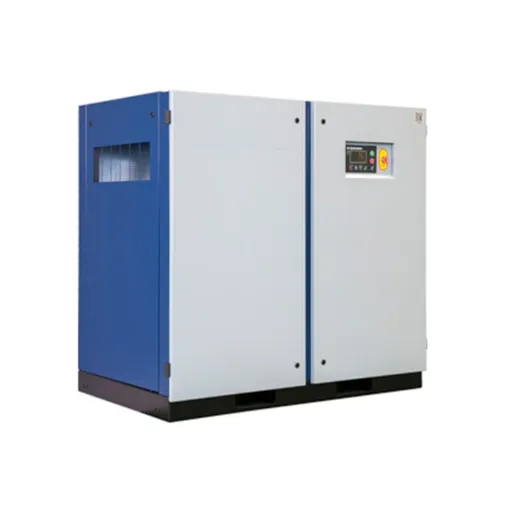
These compressors are optimized for low energy consumption, enabling facilities to achieve substantial reductions in energy costs while meeting strict performance and environmental standards.
Direct-drive oil-injected compressors are constructed to operate reliably in challenging industrial environments, maintaining performance integrity and system longevity despite exposure to demanding operating conditions.
Direct-Drive Oil-Injected Compressor Specifications and Performance Data
| Parameter | Specification |
|---|---|
| Drive Type | Direct-Drive |
| Compression Technology | Oil-Injected Rotary Screw |
| Power Range | 7.5 kW – 250 kW |
| Free Air Delivery | 0.8 – 45 m³/min |
| Operating Pressure | 7 – 13 bar |
| Cooling Method | Air-cooled / Water-cooled |
| Noise Level | 62 – 75 dB(A) |
| Oil Carryover | <3 mg/m3 |
| Voltage/Frequency | 380V/400V/415V, 50/60Hz |
| Ambient Temperature Range | -5°C to +45°C |
| Control System | PLC-based Intelligent Controller |
| Protection Rating | IP54 (standard) |
| Starting Method | Star-Delta / Variable Frequency Drive |
| Dimensions (L×W×H) | Model specific (consult datasheet) |
| Weight | Model specific (consult datasheet) |
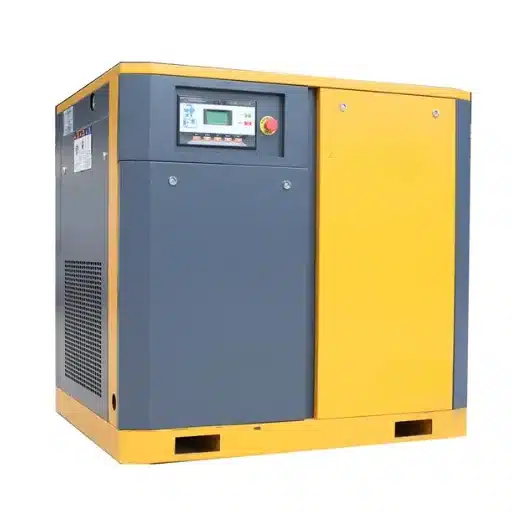
Why Choose Direct-Drive Oil-Injected Compressor
Superior Performance and Reliability
Direct-drive oil-injected compressors are engineered for optimal efficiency and consistent operation under demanding industrial conditions. Their robust construction minimizes vibration and mechanical wear, ensuring stable performance and extended service life.
Advanced Control and Monitoring
Equipped with intelligent PLC-based controllers, these compressors provide precise pressure regulation and real-time system diagnostics. This advanced monitoring capability supports proactive maintenance, minimizes unplanned downtime, and enhances overall operational productivity.
Enhanced Energy Efficiency
The direct-drive configuration significantly improves energy transfer, minimizing power losses typically associated with belt- or gear-driven systems. As a result, facilities benefit from reduced energy consumption, lower operational costs, and alignment with sustainability targets.
Reduced Maintenance Demands
With fewer moving parts and high-quality materials, direct-drive oil-injected compressors require less frequent servicing compared to conventional alternatives. This design approach not only lowers maintenance expenditures but also maximizes equipment uptime and operational continuity.
Key Application Scenarios for Direct-Drive Oil-Injected Compressor
Precision Manufacturing Environments
Direct-drive oil-injected compressors are widely used in advanced manufacturing sectors, such as electronics and automotive assembly, where consistent pressure and minimal vibration are critical for process accuracy and product quality.
Food and Beverage Processing Facilities
These compressors provide a reliable and controlled source of compressed air, supporting essential operations like pneumatic conveying, packaging automation, and equipment cleaning in environments with stringent hygiene and safety standards.
Pharmaceutical and Chemical Production
In pharmaceutical and chemical industries, direct-drive oil-injected compressors support cleanroom air supply, dosing, and critical process control, ensuring compliance with rigorous regulatory requirements and uninterrupted production.
Large-Scale Industrial Utilities
Utility plants and heavy industry operations utilize these compressors for instrument air, power tools, and process control, benefiting from their robust construction, energy efficiency, and low maintenance demands in high-demand settings.
Factors to Consider When Selecting Direct-Drive Oil-Injected Compressor
Operational Requirements and Performance Demands
It is essential to assess the specific operational requirements of your facility, including desired airflow, pressure levels, and duty cycles. An accurate evaluation ensures the selected compressor can handle peak demands with long-term efficiency and reliability.
Total Cost of Ownership and Maintenance Considerations
When choosing a direct-drive oil-injected compressor, account for not only the initial purchase price but also long-term maintenance costs, energy consumption, and lifecycle support. Comprehensive analysis of total ownership cost maximizes return on investment and operational longevity.
Maintenance and Care for Direct-Drive Oil-Injected Compressor
Routine Inspection and Preventive Maintenance
Consistent routine inspections are critical to ensuring optimal performance of direct-drive oil-injected compressors. This includes checking for oil levels, monitoring for any abnormal vibrations or noises, and verifying that all moving components are free from excessive wear. Proactive maintenance greatly reduces the likelihood of unexpected failures and extends the compressor’s operational life.
Lubrication Management and Oil Quality
Proper lubrication is essential for reducing friction and protecting internal components. Regular oil changes, along with monitoring oil cleanliness and viscosity, are necessary to maintain system integrity. Using recommended lubricants and following the manufacturer’s replacement intervals will prevent premature wear and ensure sustained compressor efficiency.
Filtration System Upkeep
The filtration system plays a vital role in protecting the compressor from particulate contamination. Periodically inspecting and replacing air, oil, and separator filters reduces the risk of blockages and protects downstream equipment. Effective filtration upkeep not only safeguards the compressor but also supports overall plant air quality and reliability.
Our Latest News
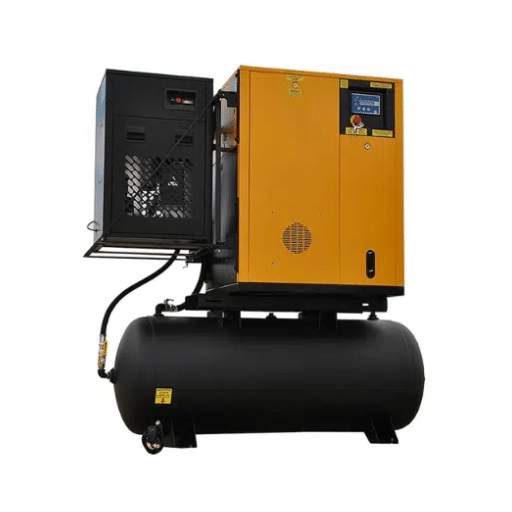
Screw Compressor Oil Carryover: Causes, Diagnostics, and Fixes
Read MoreScrew Compressor Oil Carryover: Causes, Diagnostics, and Fixes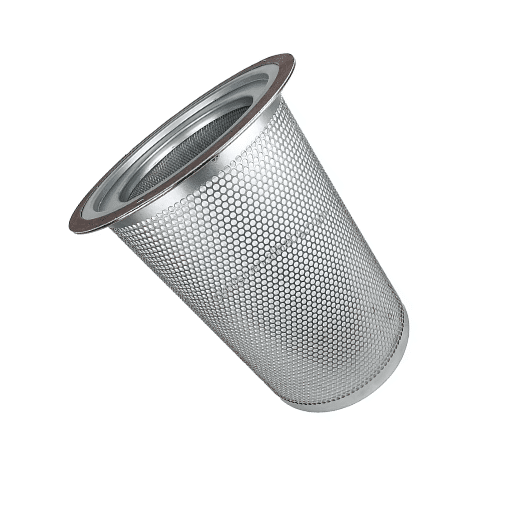
Screw Compressor Air Oil Separator: Replacement Guide
Read MoreScrew Compressor Air Oil Separator: Replacement Guide
Rotary Screw Compressor Oil: Types, ISO Grades, Intervals
Read MoreRotary Screw Compressor Oil: Types, ISO Grades, Intervals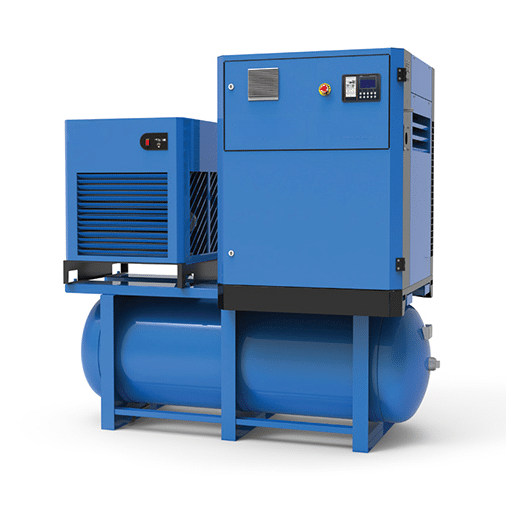
How Does an Oil-Injected Rotary Screw Compressor Work?
Read MoreHow Does an Oil-Injected Rotary Screw Compressor Work?Request a Quote for Your Direct-Drive Oil-Injected Compressor
Looking to enhance your operations with a high-performance Direct-Drive Oil-Injected Compressor? Contact our team today to receive a tailored quote for your specific requirements. Benefit from expert guidance, competitive pricing, and solutions designed to optimize efficiency for your application. Request a quote now and take the next step toward improved productivity and reliability.
Frequently Asked Questions (FAQs)
A direct-drive oil-injected compressor features a motor directly coupled to the compression element. This design reduces energy losses and provides high operational efficiency for various industrial applications.
Direct-drive compressors offer higher mechanical efficiency, lower maintenance requirements, and improved reliability due to fewer moving parts and direct power transmission.
These compressors are extensively used in manufacturing, automotive, pharmaceuticals, electronics, and any sector where reliable, continuous compressed air is required.
Oil injection lubricates, cools, and seals internal components, enabling stable performance, reduced wear, and prolonged equipment life under demanding operational conditions.
Key considerations include required air flow and pressure, duty cycle, energy efficiency, installation space limitations, and compatibility with existing systems or equipment.
Yes, proper ventilation, foundation stability, electrical supply adequacy, and compliance with safety and operational standards are essential to ensure reliable operation and longevity.