
Stationary Screw Air Compressor Solutions for Reliable Compressed Air Performance
In the world of industrial applications, compressed air systems play a crucial role in ensuring seamless operations. Among these, the rotary screw air compressor stands out as a versatile and efficient solution. Whether you’re seeking reliable air for industrial use or energy-efficient compressed air, understanding these systems is essential for meeting your operational needs effectively.
Continuous Power
Unmatched Reliability
Superior Efficiency
Continuous Operation
What Defines a Stationary Screw Air Compressor?
A rotary screw air compressor is a type of gas compressor that uses a rotary-type positive-displacement mechanism. These compressors are widely used in industrial applications due to their ability to provide continuous air flow, high CFM, and energy efficiency. Unlike piston compressors, rotary screw compressors deliver compressed air with less noise and vibration, making them ideal for environments where space and noise levels are a concern. With options like fixed speed and variable speed drive (VSD), these compressors offer flexibility and adaptability to changing air demand.

Proven Advantages for Stationary Screw Air Compressor
Discover why rotary screw technology has become the industry standard for reliable compressed air production
Sound levels as low as 61-71 dB(A) make them suitable for indoor installation. The rotary motion produces significantly less noise and vibration than reciprocating piston technology.
Fewer moving parts mean less wear and tear. Simple design with counterbalanced rotors requires minimal service intervals, reducing downtime and operational costs significantly.

Provides steady, pulsation-free compressed air with consistent pressure and volume. Perfect for processes requiring stable conditions like automated manufacturing and precision operations.
Operates reliably in temperatures from -4°F to 115°F (-20°C to 46°C). Designed for harsh industrial environments including dusty, hot, and demanding applications.
Stationary Screw Air Compressor Specifications and Performance Data
| Specification | Details |
|---|---|
| Model | [Insert Model Name] |
| Motor Power | [e.g., 15 kW / 20 HP] |
| Air Delivery | [e.g., 2.5 m³/min (88 CFM)] |
| Working Pressure | [e.g., 8 bar / 116 psi] |
| Cooling Method | [e.g., Air-Cooled / Water-Cooled] |
| Drive Type | [e.g., Direct Drive / Belt Drive] |
| Noise Level | [e.g., 68 dB(A)] |
| Voltage | [e.g., 380V / 50Hz / 3-Phase] |
| Dimensions (L×W×H) | [e.g., 1500 × 800 × 1200 mm] |
| Weight | [e.g., 500 kg] |
| Oil Content | [e.g., <3 ppm] |
| Energy Efficiency | [e.g., IE3 Motor / Variable Speed] |
| Warranty | [e.g., 2 Years] |

Learn About the Relevant Technologies of Stationary Screw Air Compressor
Twin Screw Design
Two precisely meshing helical rotors (male and female) rotate in opposite directions to compress air continuously. Positive displacement technology ensures consistent output with minimal leakage.
Advanced Lubrication
Oil-injected models use lubricant for sealing, cooling, and noise dampening. Oil-free models provide 100% clean air for sensitive applications without contamination risk.
Integrated Cooling
Air-cooled or water-cooled systems with oversized coolers maintain optimal operating temperatures. Advanced thermal management extends component life and ensures reliable performance.
Smart Controls
Elektronikon or equivalent PLC control systems with touchscreen HMI interfaces. Monitor performance, adjust parameters, and receive maintenance alerts in real-time.
VSD Technology
Variable Speed Drive models with IE4 permanent magnet motors adjust speed from 0-100% to match demand precisely. Reduces energy consumption during low-demand periods dramatically.
Industrial Applications for Stationary Screw Air Compressor
Manufacturing
Automated production lines, assembly operations, CNC machinery, robotic systems, pneumatic tools, and material handling equipment
Food & Beverage
Packaging lines, bottling operations, conveyor systems, pneumatic controls. Oil-free models prevent product contamination
Food and Beverage Processing
Packaging lines, bottling operations, conveyor systems, pneumatic controls. Oil-free models prevent product contamination
Automotive
Painting booths, welding operations, tire inflation, assembly line tools, body shop equipment, quality control testing
Pharmaceutical
Clean room environments, tablet coating, packaging, fermentation processes. ISO 8573-1 Class Zero air quality
How to Choose the Right Screw Air Compressor
Assessing Your Compressed Air Needs
- When selecting a rotary screw air compressor, the first step is to thoroughly assess your compressed air needs. Consider the specific industrial applications you will be supporting, as the air flow requirements for pneumatic tools can vary significantly. It is vital to determine the cfm and psi requirements to ensure that the chosen compressor can deliver adequate performance. Additionally, consider the operational environment and whether a stationary air setup or a portable solution is most appropriate. This assessment will guide you in choosing a compressor that efficiently meets your operational demands.
Comparing Base Mount and Belt Driven Models
- Understanding the differences between base mount and belt driven models is crucial for making an informed decision. Base mount compressors provide a stable platform, ideal for permanent installations in industrial settings. These models often incorporate features like an air dryer to maintain air quality. On the other hand, belt driven compressors offer greater flexibility in terms of maintenance and adjustability. They are well-suited for applications that require frequent adjustments to air pressure and flow. By comparing these models, businesses can select the configuration that best aligns with their air compression needs.
Understanding Airflow Requirements
- Understanding airflow requirements is essential for selecting the right screw air compressor. Airflow is typically measured in cfm, and it is important to match the compressor’s capacity with the total air demand of your operations. Consider the number of pneumatic tools and equipment that will be used simultaneously and their respective cfm needs. Additionally, evaluate whether a fixed speed or variable speed drive (VSD) model is more suitable. VSD compressors adjust to real-time air demand, enhancing energy efficiency. Properly understanding and evaluating airflow requirements will ensure optimal performance and reliability of your compressed air systems.

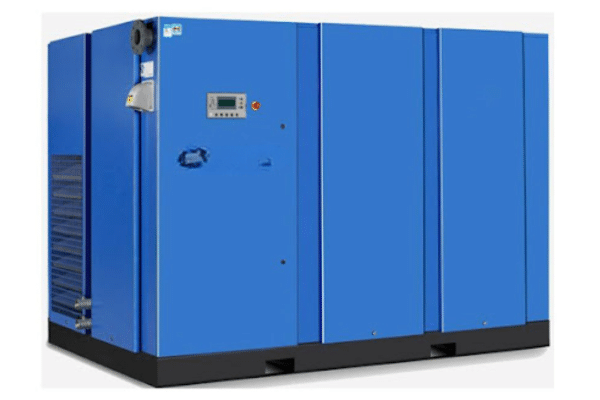
Understanding Power Ratings: 5hp and 7.5hp Options
The rotary screw air compressor is available in different power ratings, catering to various compressed air needs. These options are designed to provide a reliable air supply, ensuring consistent performance in various industrial applications. The horsepower ratings allow businesses to choose the appropriate power level based on their specific operational requirements, ensuring efficient and cost-effective air compression.
5hp Ideal for operations requiring moderate air flow,7.5hp Suited for more demanding applications
Our Latest News
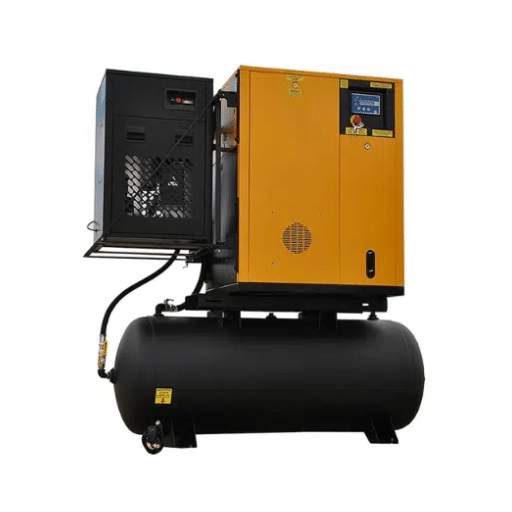
Screw Compressor Oil Carryover: Causes, Diagnostics, and Fixes
Read MoreScrew Compressor Oil Carryover: Causes, Diagnostics, and Fixes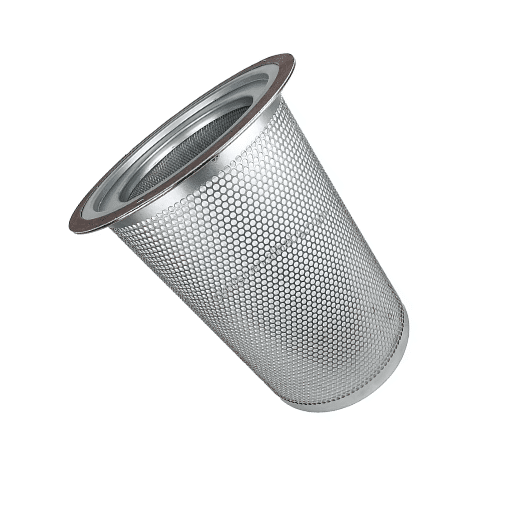
Screw Compressor Air Oil Separator: Replacement Guide
Read MoreScrew Compressor Air Oil Separator: Replacement Guide
Rotary Screw Compressor Oil: Types, ISO Grades, Intervals
Read MoreRotary Screw Compressor Oil: Types, ISO Grades, Intervals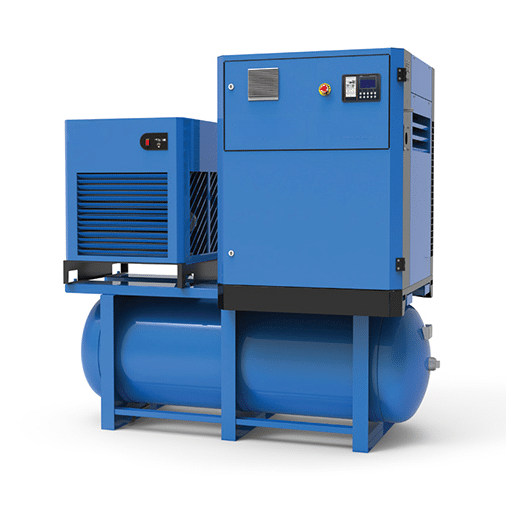
How Does an Oil-Injected Rotary Screw Compressor Work?
Read MoreHow Does an Oil-Injected Rotary Screw Compressor Work?Ready to Upgrade Your Compressed Air System?
Connect with our compressed air specialists to find the perfect stationary screw compressor for your facility. We’ll analyze your air demand, recommend the optimal configuration, and help you achieve maximum efficiency and reliability.
Frequently Asked Questions (FAQs)
The right horsepower for your rotary screw compressor depends on your specific compressed air needs. Generally, 5 hp and 7.5 hp compressors are suitable for smaller applications, while larger operations may require units with 30 hp or even 500 hp. It’s essential to calculate the required cubic feet per minute (cfm) and psi to ensure that the compressor can deliver optimal energy and efficiency for your operation.
The duty cycle of a screw compressor refers to the percentage of time it can operate continuously without overheating. Heavy-duty models can handle higher duty cycles, allowing for continuous air supply in demanding environments. Understanding the duty cycle helps you select a compressor that can meet your workload requirements while ensuring reliability and efficiency.
Variable-speed rotary screw compressors adjust their motor speed based on the air demand in real-time. This capability allows them to optimize power consumption, reducing energy costs significantly compared to fixed speed models. By matching output to actual air usage, these compressors ensure that energy is not wasted, leading to lower operational expenses and an extended service life.
Rotary screw air compressors are commonly used in various industrial applications, including manufacturing, automotive, and construction. They are ideal for pneumatic tools, spray painting, and other tasks that require a continuous airflow. Their ability to provide a reliable and efficient compressed air supply makes them a preferred choice for heavy-duty operations.
When selecting a compressor package, consider factors such as the required airflow (cfm), pressure (psi), energy efficiency, and noise levels. Additionally, examine the compressor’s build quality, including drive systems and motor type. Brands like Atlas Copco and Chicago Pneumatic offer options tailored to various needs, ensuring you find a compressor that meets your operational requirements.
The noise level of a screw air compressor can significantly impact workplace comfort and productivity. Models designed for quieter operation are particularly beneficial in environments where noise restrictions are in place. Investing in a low-noise rotary screw compressor can help create a more pleasant working atmosphere while still delivering the required volumes of compressed air for your applications.