
Two-Stage Screw Compressor Solutions for Maximum Efficiency
Unlock maximum efficiency and power with our Two-Stage Screw Compressor solutions. Engineered for demanding industrial environments, these compressors deliver superior performance and significant energy savings. Featuring advanced cooling systems and a durable design, they ensure reliable, continuous operation with minimal maintenance. Ideal for manufacturing, automotive, and heavy-duty applications, this is the robust solution for a consistent compressed air supply. Elevate your operational productivity and reduce costs with a compressor built to last and perform under pressure.
Energy Efficiency
Robust Durability
Advanced Cooling
Wide Applications
What is a Two-Stage Screw Compressor?
A two-stage screw compressor is an advanced air compression system that uses two sets of rotors to compress air in two successive stages. This dual-stage process significantly improves efficiency by cooling the air between stages, a method known as intercooling. As a result, it consumes less energy to produce the same amount of compressed air compared to a single-stage model. This design not only reduces operational costs but also lowers discharge temperatures, which enhances the unit’s reliability and extends its service life. Its superior performance makes it the ideal choice for high-pressure applications where a consistent, high-volume air supply is critical for operations.

Features and Benefits of Two-Stage Screw Compressor
Our Two-Stage Screw Compressors are engineered with advanced features to deliver exceptional benefits, including optimized energy efficiency that reduces operational costs, enhanced durability from lower operating temperatures, and superior performance in high-demand applications. Each component is designed for maximum reliability and a longer service life, ensuring you get a powerful and cost-effective solution for your compressed air needs.
The two-stage design with intercooling minimizes energy consumption, leading to significant cost savings on your electricity bills and a lower carbon footprint for your operations.
These compressors deliver a higher volume of compressed air (FAD) per kilowatt, ensuring a stable and consistent air supply even for the most demanding high-pressure applications.

Lower operating temperatures and a balanced load between the two compression stages reduce stress on components, leading to less wear and tear and a longer, more reliable service life.
By cooling the air between stages, the final discharge temperature is significantly reduced, which improves safety, protects downstream equipment, and enhances overall system longevity.
Parameters and Specifications of Two-Stage Screw Compressor
| Model | Power (kW) | Capacity (m³/min) | Pressure (bar) | Dimensions (L×W×H, mm) | Weight (kg) |
|---|---|---|---|---|---|
| TSC-55A | 55 | 10.5 | 8 | 2200×1300×1600 | 1800 |
| TSC-75A | 75 | 14.2 | 8 | 2500×1500×1800 | 2400 |
| TSC-90A | 90 | 17 | 8 | 2800×1600×1900 | 2900 |
| TSC-110A | 110 | 20.5 | 8 | 3000×1800×2000 | 3500 |
| TSC-160A | 160 | 30 | 8 | 3400×2000×2200 | 4800 |
| TSC-250A | 250 | 45 | 8 | 4000×2200×2500 | 6500 |

How to Choose the Right Screw Compressor for Your Needs
Pressure Requirements
Assess your facility’s maximum pressure needs to select a compressor that operates efficiently without being oversized, preventing unnecessary energy consumption.
Flow Rate (CFM)
Calculate your total air demand by summing the CFM requirements of all tools and equipment. Add a buffer to account for future growth and system leaks.
Energy Efficiency
Compare the specific power consumption (kW/CFM) of different models. A more efficient compressor offers significant long-term savings on operational costs.
Duty Cycle
Determine if you need a continuous or intermittent air supply. Choose a compressor rated for your operational duty cycle to ensure longevity and prevent overheating.
Future Expansion
Plan for potential growth by selecting a compressor with slightly more capacity than your current needs or opting for a scalable, modular system.
Industrial Applications for Two-Stage Screw Compressor
Manufacturing and Assembly
Powers pneumatic tools, automated machinery, and conveyors with a consistent, high-pressure air supply, ensuring uninterrupted production cycles and high-quality finishes in processes like painting and coating.
Food and Beverage Processing
Provides clean, oil-free compressed air for packaging, sorting, and processing applications, meeting strict hygiene standards while ensuring the operational efficiency of automated systems and control valves.
Pharmaceutical Production
Delivers precise, contaminant-free air for material handling, tablet pressing, and nitrogen generation, supporting sterile environments and preventing product contamination in highly regulated manufacturing processes.
Textile Manufacturing
Drives air-jet looms, spinning machines, and other pneumatic equipment that require a stable and powerful air source to maintain high production speeds and consistent fabric quality across large-scale operations.
Power Generation Plants
Supports critical plant operations, including instrument control, soot blowing, and pneumatic conveying of materials like fly ash, where high-pressure, reliable air is essential for safety and efficiency.
How does a Two-Stage Screw Compressor work?
First Stage Compression
- Air enters the first, larger compression chamber where it is pressurized by a set of rotors. This initial compression is efficient but generates heat. The partially compressed air is then discharged to the intercooler.
Intercooling Process
- The hot, partially compressed air passes through an intercooler, which is a heat exchanger. This critical step removes a significant amount of heat, cooling and densifying the air before it proceeds to the next stage.
Second Stage Compression
- The cooled, denser air enters the second, smaller compression chamber. Because the air is cooler, it requires less energy to be compressed to the final target pressure by a second set of rotors.
Final Discharge
- After the second stage, the fully compressed air is discharged. The two-stage process with intercooling results in higher overall efficiency and lower final discharge temperatures compared to a single-stage process.


Why Choose Our Two-Stage Screw Compressor?
- Expert Engineering: Our compressors are designed by industry-leading engineers, utilizing advanced modeling to optimize airflow and maximize efficiency for superior performance.
- Premium Components: We use only high-grade materials and precision-machined components to ensure durability, minimize maintenance, and guarantee a long operational lifespan.
- Rigorous Testing: Every unit undergoes extensive quality control and performance testing under full-load conditions to ensure it meets our strict standards before shipment.
- Dedicated Support: Our expert support team is available to assist with installation, operation, and maintenance, ensuring you get the most out of your investment.
- Energy-Saving Design: The two-stage compression process with intercooling is engineered to significantly reduce your energy consumption and lower your operational costs.
- Customized Solutions: We work with you to understand your specific needs and can configure a compressor system that is perfectly tailored to your application and environment.
Our Latest News
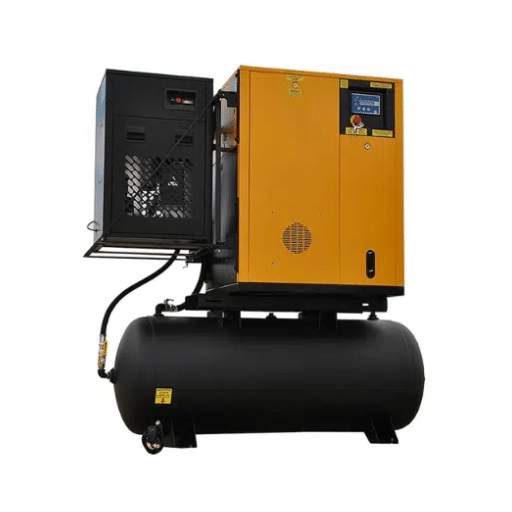
Screw Compressor Oil Carryover: Causes, Diagnostics, and Fixes
Read MoreScrew Compressor Oil Carryover: Causes, Diagnostics, and Fixes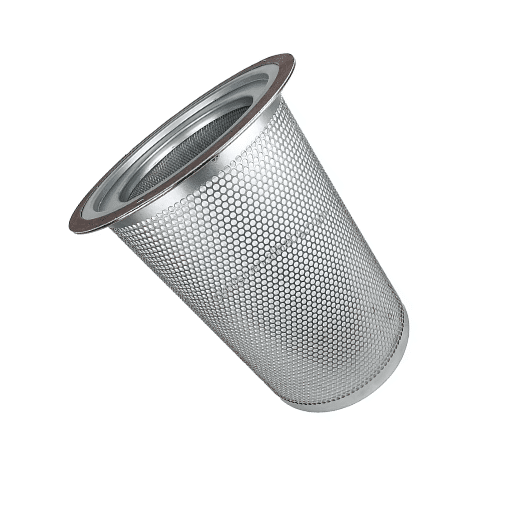
Screw Compressor Air Oil Separator: Replacement Guide
Read MoreScrew Compressor Air Oil Separator: Replacement Guide
Rotary Screw Compressor Oil: Types, ISO Grades, Intervals
Read MoreRotary Screw Compressor Oil: Types, ISO Grades, Intervals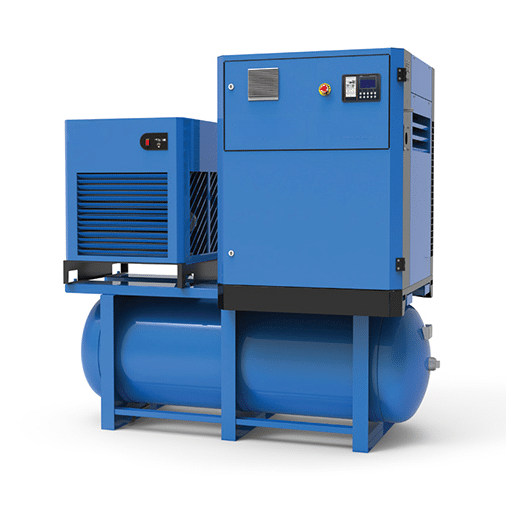
How Does an Oil-Injected Rotary Screw Compressor Work?
Read MoreHow Does an Oil-Injected Rotary Screw Compressor Work?Get a Quote for Your Two-Stage Screw Compressor Today
Maximize efficiency with our Two-Stage Screw Compressors, built for high performance and reliability in industrial applications. Featuring advanced technology, these compressors deliver consistent air output, reduced energy consumption, and extended durability. Ideal for heavy-duty tasks in industries like manufacturing and construction, they ensure seamless operation with minimal maintenance. Take the next step toward boosting productivity—request your personalized quote today and experience the power of innovation tailored to your business needs!
Frequently Asked Questions (FAQs)
A single-stage compressor compresses air in one step, while a two-stage model does it in two steps with an intercooler in between. This makes two-stage compressors about 10-15% more energy-efficient, especially in high-pressure, continuous-use applications.
Not necessarily. Although they have more components, the reduced operational stress and lower temperatures mean less wear on parts like bearings and seals. This often leads to longer service intervals and lower overall maintenance costs over the compressor’s lifespan.
Two-stage screw compressors excel in applications requiring pressures consistently above 10 bar (145 psi). Their design allows them to generate higher pressures more efficiently and with less strain than single-stage compressors, making them ideal for demanding industrial tasks.
Energy is saved through the intercooling process. By cooling the air between the two compression stages, the compressor requires less work to compress the air to its final pressure. This reduction in energy consumption translates directly into lower electricity bills.
With proper maintenance, a high-quality two-stage screw compressor can last for well over 100,000 operating hours. The lower internal stress and operating temperatures contribute significantly to their longevity compared to single-stage units in similar applications.
Yes, the transition is generally straightforward. Our team can assess your existing setup, including piping and electrical systems, to ensure a seamless installation. We will help you select the right model to meet your increased efficiency and performance goals.