
The 230V Electric Compressor: High-Performance Power for Your Workshop
Powering professional-grade equipment requires a compressor that can deliver consistent, high-pressure air without compromise. Our 230V Electric Compressor is engineered for serious applications in manufacturing, automotive repair, and professional workshops. It provides the robust performance needed to operate heavy-duty pneumatic tools, from impact wrenches to paint sprayers, ensuring you get the job done right with power to spare.
Powerhouse
Easy Installation
Energy Efficient
Built for Professionals
What is a 230V Electric Compressor?
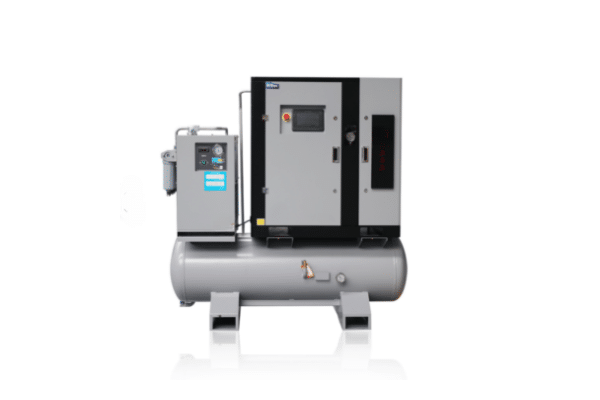
A 230V electric compressor is a device that uses an electric motor to generate compressed air, which is then utilized for various applications such as powering pneumatic tools, spray painting, and inflating tires. This type of compressor operates on a 230V power supply, making it suitable for both single-phase and three-phase connections, depending on the model. Its design typically includes a tank, a pump, and an air compressor motor, all mounted on a sturdy frame for stationary or portable use.
Key Benefits of 230V Electric Compressors
Our 230V electric compressor boasts an array of features designed to optimize performance and user convenience.
The 230-volt rating is its most defining feature, making it compatible with the common power supply found in most professional workshops and commercial buildings. With options for both single-phase and three-phase power, it provides an industrial-grade “plug-and-play” solution without requiring expensive electrical service upgrades.
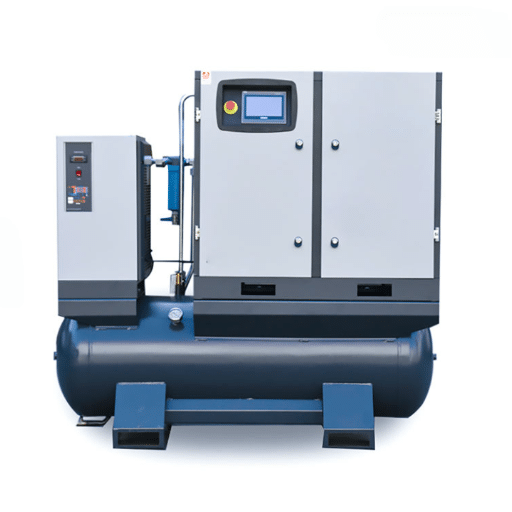
This compressor is a complete, space-saving solution. It typically comes in a tank-mounted configuration with a built-in refrigerated air dryer. This “total air system” design simplifies installation and guarantees you receive a supply of clean, dry, and high-quality compressed air right out of the machine.

Engineered for non-stop performance, this compressor is designed for a 100% duty cycle, meaning it can run continuously, 24/7, without overheating. This is critical for demanding applications that require a constant, uninterrupted air supply, eliminating the downtime associated with intermittent-use piston compressors.
Housed within a sound-dampening enclosure, the rotary screw design operates at an exceptionally low noise level (typically 60-70 dBA). This allows for installation directly in the work environment without being disruptive, creating a safer and more comfortable space for your team to work.
230V Electric Compressor Specifications and Performance Data
| Specification | Details |
|---|---|
| Power Supply | 230V, 1-phase / 3-phase (model dependent) |
| Horsepower | 5–10 HP |
| Max Working Pressure | 145–175 PSI (10–12 bar) |
| CFM (air delivery) | 18–36 CFM (varies by model) |
| Tank Capacity | 60–120 gallons |
| Pump Type | Oil-lubricated, cast-iron, two-stage |
| Duty Cycle | 100% continuous |
| Noise Level | 68–75 dB(A) |
| Dimensions | 72" x 27" x 48" (varies by model) |
| Weight | 450–700 lbs |
| Cooling System | Integrated aftercooler and fan |
| Safety Features | Thermal overload protection, automatic shutoff, pressure relief valve |
| Certifications | CE, ISO9001, UL listed |
How to Choose the Right 230V Electric Compressor
Calculate Your Required CFM (Air Volume)
This is the most important step. Add up the CFM ratings of all the air tools you will be using at the same time, then add a 25-30% buffer. This final number is the minimum CFM your compressor must supply.
Determine Your Required PSI (Air Pressure)
Identify the single tool in your workshop that requires the highest PSI. Your compressor must be able to reliably meet this pressure demand. For most professional shops, a machine capable of 125-150 PSI is sufficient.
Check Your Power Phase (1-Phase vs. 3-Phase)
You must match the compressor to your building’s electrical system. Verify whether you have 230V single-phase (common in smaller shops) or 230V three-phase power, and choose your compressor accordingly to avoid costly electrical work.
Choose the Right Technology (Piston vs. Screw)
This depends on your usage. Choose a piston compressor for light, intermittent tasks. For any professional business that needs air to run continuously throughout the workday, a screw compressor with its 100% duty cycle is the only reliable choice.
Decide if You Need an Air Dryer (Air Quality)
To protect your tools from rust and prevent defects in painting or finishing, you need clean, dry air. It is highly recommended to select a compressor with an integrated air dryer for any professional application.
Key Applications of 230V Electric Compressors
Automotive Body & Paint Shops
In body shops, air demand is high and constant. Unlike piston compressors that need to rest, the 230V screw compressor runs continuously to power high-consumption tools like dual-action (DA) sanders and grinders without losing pressure. Crucially, when integrated with a dryer, it provides the moisture-free air required for paint booths, ensuring a flawless finish free of defects like fisheyes or blistering.
Woodworking & Cabinetry
Professional woodworking facilities rely on these compressors to run production lines without interruption. They provide the steady airflow needed for pneumatic clamps, orbital sanders, and nailers. The quiet operation allows the unit to be placed near the workspace, while the clean air supply is vital for operating precision spray finishing equipment for stains and lacquers.
Metal Fabrication & Welding
For fabrication shops utilizing plasma cutters and CNC machinery, stable air pressure is non-negotiable. A 230V screw compressor delivers the consistent flow required for clean plasma cuts and the operation of pneumatic actuators on automated tables. Its 100% duty cycle ensures that grinding and deburring stations can operate all day without waiting for the compressor to catch up.
Packaging & Craft Manufacturing
In sectors like craft brewing, food packaging, and general assembly, reliability is key. These compressors power the pneumatic cylinders and valves found in bottling lines, boxing machines, and conveyor systems. The 230V compatibility allows these businesses to install industrial-grade air power without the massive expense of upgrading their facility’s electrical infrastructure to high-voltage industrial standards.
Essential Maintenance for Your 230V Electric Compressor
Before Any Maintenance
- Disconnect Power (Lockout/Tagout): Before performing any work, completely disconnect the compressor from its 230V power source and use a lockout/tagout procedure to ensure it cannot be accidentally started.
- Depressurize the System: Fully vent all compressed air from the air receiver tank and all system components. Never attempt to work on a pressurized machine.
- Allow the Unit to Cool: Compressors generate significant heat. Allow the machine to cool down completely before touching the motor, air-end, or piping to prevent burns.
Routine Maintenance Schedule
- Daily Checks:
- Check Oil Level: Ensure oil is within the normal range on the sight glass.
- Drain Tank: Open the drain valve to release all condensed water.
- Check for Leaks: Listen for air leaks and look for any oil drips.
- Weekly Checks:
- Clean Air Filter: Clean the air intake filter with low-pressure air.
- Clean Coolers: Blow dust and debris off the oil cooler and aftercooler fins.
- Annual Service (or per operating hours):
- Change Oil: Drain and replace the old oil with the manufacturer-specified lubricant.
- Replace All Filters: Install a new oil filter, air intake filter, and oil separator element.


Why Choose Our 230V Electric Compressor?
- Custom Solutions: Tailored compressor systems designed to meet your exact requirements, including installation and after-sales support.
- Quick Shipping: Multiple warehouses ensure fast delivery nationwide.
- Eco-Friendly Design: Engineered to minimize environmental impact and reduce operational costs.
- Trusted Warranty: Industry-leading warranty coverage and responsive support provide peace of mind.
- Comprehensive Inventory: A wide selection of models, accessories, and genuine spare parts available for immediate dispatch.
Our Latest News
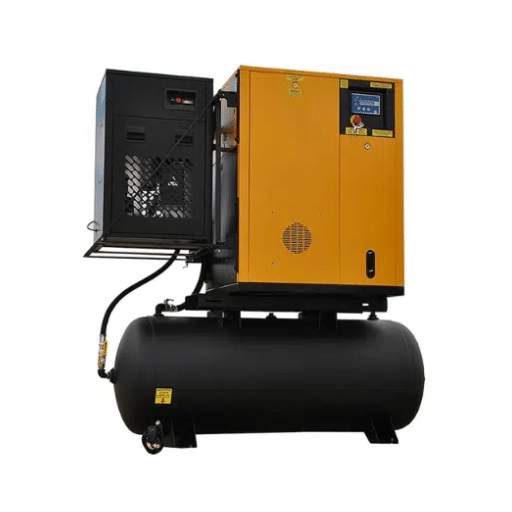
Screw Compressor Oil Carryover: Causes, Diagnostics, and Fixes
Read MoreScrew Compressor Oil Carryover: Causes, Diagnostics, and Fixes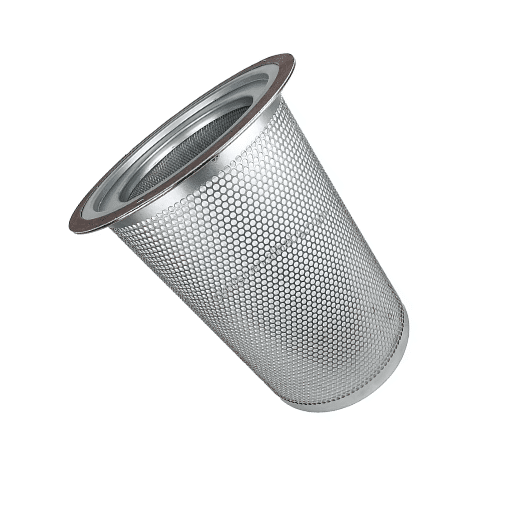
Screw Compressor Air Oil Separator: Replacement Guide
Read MoreScrew Compressor Air Oil Separator: Replacement Guide
Rotary Screw Compressor Oil: Types, ISO Grades, Intervals
Read MoreRotary Screw Compressor Oil: Types, ISO Grades, Intervals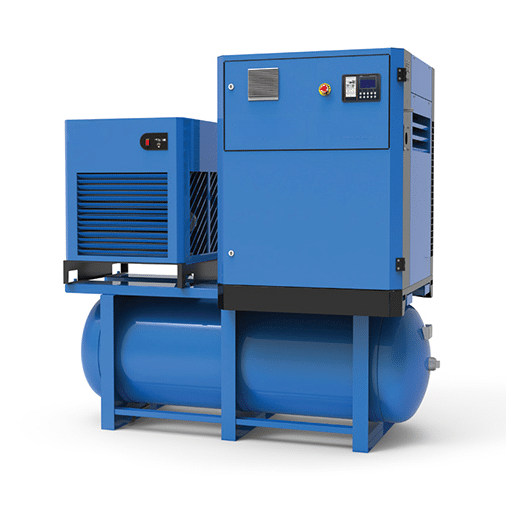
How Does an Oil-Injected Rotary Screw Compressor Work?
Read MoreHow Does an Oil-Injected Rotary Screw Compressor Work?Request a Quote for Your 230V Electric Compressor
Don’t settle for compromise—equip your facility with a 230V Electric Compressor that delivers industrial-grade power, energy efficiency, and reliability. For further information on the 230V electric compressor and to discuss your specific needs, please reach out to our customer support team. Contact us for expert guidance, a personalized quote, or to request detailed technical specs.
Frequently Asked Questions (FAQs)
Yes, modern designs maximize output while minimizing electrical consumption for significant cost savings.
These compressors are best suited for professional and commercial spaces equipped with a dedicated 230V outlet. Home use is possible if suitable wiring is available—consult an electrician.
Typical applications include impact wrenches, sanders, grinders, spray guns, and other pneumatic tools requiring sustained, high-pressure air.
Larger tanks support longer, uninterrupted operation for spray painting or multiple tool usage; assess your typical needs for the best match.
Check and change the oil regularly, inspect and replace air filters, drain condensation from the tank, and ensure belts and electrical connections are secure.
Match the compressor’s PSI, CFM, and tank size to your tools and volume requirements. Reach out for tailored recommendations.