
Oil-Injected Rotary Screw Compressor: Understanding the Rotary Screw Air Compressor
In the realm of industrial machinery, the oil-injected rotary screw compressor stands as a powerhouse of efficiency and reliability. This type of air compressor is renowned for its ability to deliver a constant supply of compressed air, essential for diverse applications across numerous industries. By utilizing an oil-injected mechanism, these compressors provide the necessary lubrication and cooling, ensuring optimal performance and longevity.
Advanced Compression Technology
Robust Lubrication System
Precision Control and Monitoring
Superior Energy Efficiency
Why Choose Oil-Injected Rotary Screw Compressor
Oil-injected rotary screw compressors are the preferred solution for industries requiring reliable, continuous compressed air supply. Their advanced engineering ensures stable performance under demanding conditions, while robust lubrication significantly reduces maintenance needs. With precise control, superior energy efficiency, and proven durability, these compressors deliver exceptional value and operational reliability for a wide range of industrial applications.
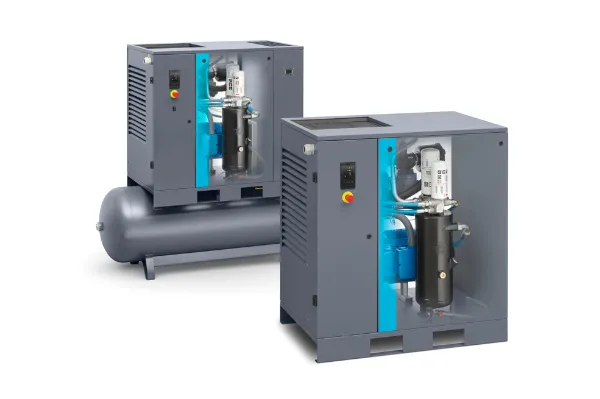
Benefits of Using Oil-Injected Rotary Screw Compressor
Oil-injected rotary screw compressors offer a comprehensive range of advantages that make them a preferred choice for diverse industrial environments. By integrating advanced engineering and robust components, these systems ensure consistent performance and long-term value for users.
These compressors are engineered for uninterrupted operation, providing a steady supply of compressed air even in rigorous, high-demand scenarios. This reliability minimizes the risk of unexpected downtime and ensures production lines can operate efficiently and without delays.
Oil-injected rotary screw compressors utilize advanced technology to optimize energy consumption throughout their operation. By maintaining peak efficiency, users benefit from lower energy costs and improved sustainability of their compressed air systems.
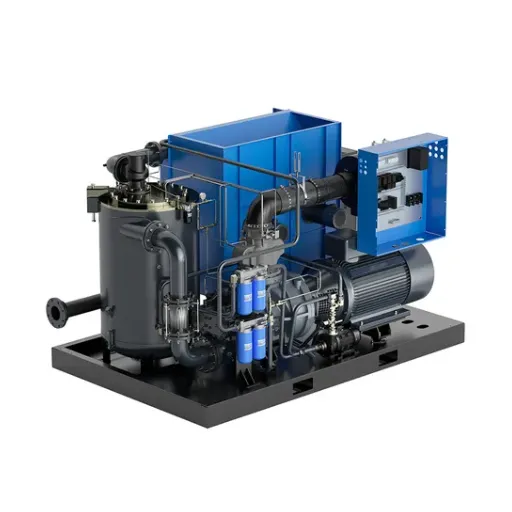
A key benefit is the efficient internal lubrication, which reduces friction and wear on critical components. This not only extends the overall lifespan of the compressor but also leads to lower maintenance needs and reduced risk of mechanical failures.
These systems typically come equipped with effective filtration and separation mechanisms, resulting in high-quality compressed air suited for sensitive industrial applications. Consistent air quality improves the reliability of downstream equipment and upholds stringent production standards.
Explore Our Oil-Injected Rotary Screw Compressor
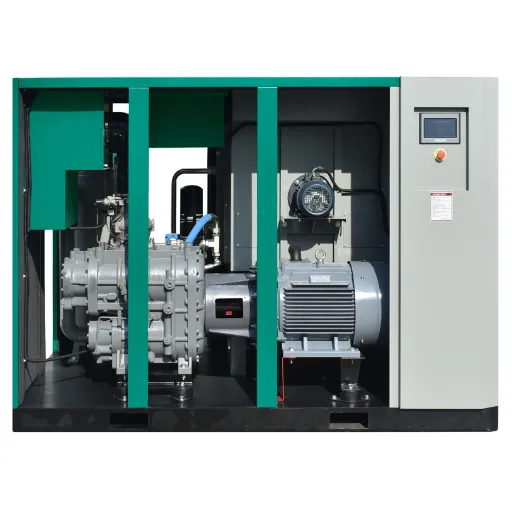
Belt-Driven Oil-Injected Compressor
Belt-driven models are engineered for adaptability and ease of integration, providing flexible installation options without compromising the overall efficiency and durability required by industrial users.
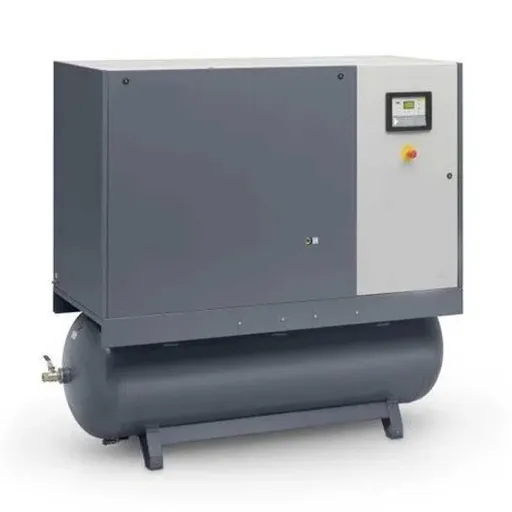
Direct-Drive Oil-Injected Compressor
Direct-drive compressors offer superior energy transfer and reduced mechanical losses, improving efficiency while minimizing maintenance needs for continuous operations.
Oil-Injected Rotary Screw Compressor Specifications and Performance Data
| Technical Parameter | RSC-100 | RSC-250 | RSC-500 | RSC-1000 |
|---|---|---|---|---|
| Capacity (CFM) | 100 | 250 | 500 | 1000 |
| Pressure (psi) | 125 | 150 | 150 | 125 |
| Motor Power (HP) | 25 | 60 | 125 | 250 |
| Voltage (V/Ph/Hz) | 460/3/60 | 460/3/60 | 460/3/60 | 460/3/60 |
| Oil Capacity (L) | 18 | 34 | 65 | 120 |
| Noise Level (dB(A)) | 68 | 72 | 75 | 78 |
| Cooling Method | Air Cooled | Air Cooled | Air Cooled | Air Cooled |
| Dimensions (L x W x H) | 60"x40"x55" | 75"x48"x65" | 90"x60"x75" | 120"x72"x85" |
| Weight (lbs) | 1300 | 2300 | 4100 | 7200 |
| Ambient Temp Range (°F) | 40–110 | 40–110 | 40–110 | 40–110 |
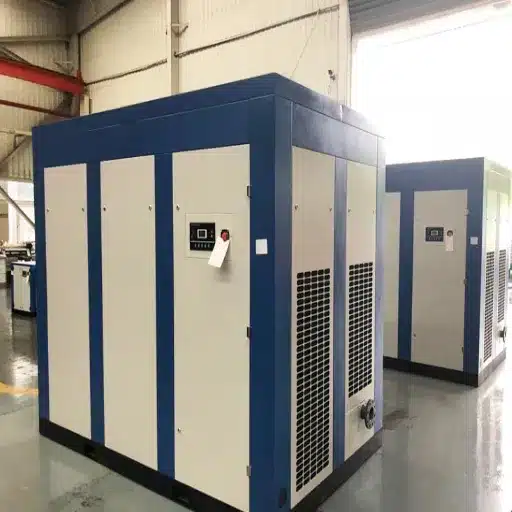
Factors to Consider When Selecting Oil-Injected Rotary Screw Compressor
Selecting the appropriate oil-injected rotary screw compressor is critical for ensuring optimal performance, reliability, and cost-effectiveness in industrial applications. The following key factors should be carefully evaluated during the decision-making process:
Capacity and Air Flow Requirements
Assess your facility’s actual air consumption patterns, peak demand periods, and future scalability needs. Accurate calculation of required capacity ensures reliable system operation and avoids issues such as underperformance or unnecessary energy expenditure.
Energy Efficiency and Power Consumption
Compare the energy ratings and operating efficiencies of available compressor models. Selecting equipment with advanced energy-saving features can substantially decrease overall power usage, lower operating costs, and reduce your facility’s environmental footprint.
Maintenance and Serviceability
Evaluate access to service points, availability of spare parts, and ease of routine maintenance. High serviceability minimizes downtime and ensures that the compressor remains operational with minimal disruption to production schedules.
Total Cost of Ownership
Consider not only the initial purchase price but also long-term costs, including installation, maintenance, energy consumption, and potential downtime. A comprehensive analysis of total cost of ownership will inform a sustainable and economically sound investment.
Key Application Scenarios for Oil-Injected Rotary Screw Compressor
Manufacturing and Assembly Lines
In large-scale manufacturing environments, uninterrupted compressed air supply is critical for powering pneumatic tools, actuators, and automation systems. Oil-injected rotary screw compressors ensure stable pressure and consistent performance, which is essential for maintaining production quality and throughput.
Automotive Industry
Automotive manufacturing relies on precision and reliability in processes such as painting, welding, and component assembly. These compressors support multiple production cells simultaneously, ensuring every operation receives adequate air flow and pressure, thereby optimizing overall efficiency.
Food and Beverage Processing
Within food and beverage facilities, compressed air plays a vital role in packaging, filling, and conveying systems. Oil-injected rotary screw compressors are selected for applications where non-contact air quality is acceptable, offering dependable operation to maintain high-speed, high-volume production demands.
Energy and Power Generation
Power plants and energy sector installations frequently utilize rotary screw compressors for instrument air, control systems, and maintenance tools. The design’s reliability and ease of integration with existing controls make it a preferred choice in environments requiring 24/7 operation.
Textile and Chemical Industries
In textile and chemical plants, stable air flow is essential for processes such as spinning, weaving, chemical dosing, and material handling. Oil-injected rotary screw compressors deliver the pressure consistency and durability required for demanding industrial applications, enhancing productivity and reducing operational risks.
Maintenance and Care for Oil-Injected Rotary Screw Compressor
Routine Inspection and Preventive Maintenance
Regular inspection of key components—including filters, lubricants, belts, and seals—is essential to sustain long-term performance. Implementing a preventive maintenance schedule minimizes unexpected downtimes and extends the operational life of the compressor, ensuring consistent reliability.
Lubrication Management and Oil Quality Control
Maintaining the correct oil level and monitoring oil quality are critical for efficient compressor operation. Routine oil changes, proper disposal of used oil, and the use of recommended lubricants help reduce component wear and mitigate the risk of contamination or system failures.
Monitoring System Performance and Addressing Issues Promptly
Continuous monitoring of pressure, temperature, and vibration indicators allows early detection of potential issues. Timely response to abnormal readings or system alerts ensures operational safety, maximizes energy efficiency, and supports ongoing compliance with industry standards.
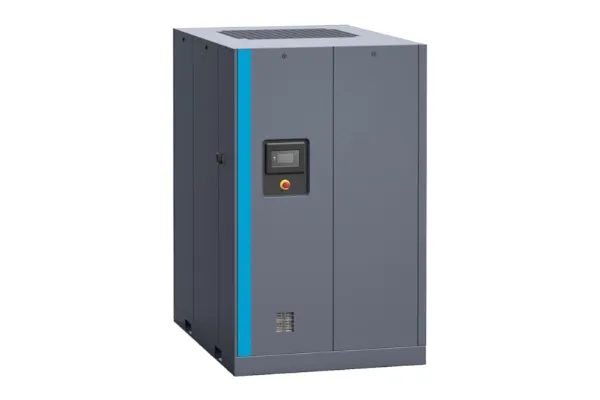
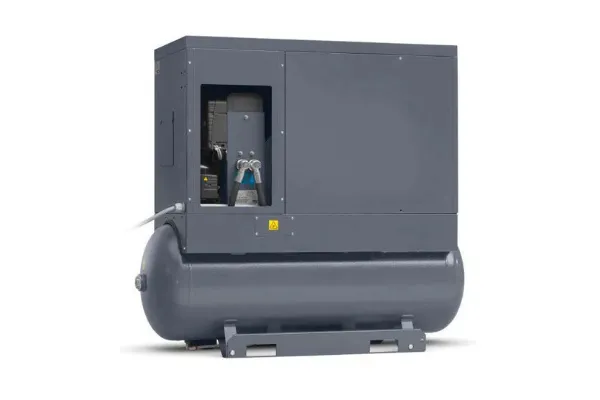
Understanding Total Cost of Ownership for Oil-Injected Rotary Screw Compressor Systems
- Initial Purchase Price: Acquisition costs typically range from $8,000 to $30,000 depending on capacity, configuration, and included features.
- Installation and Commissioning: Proper installation may account for 10–15% of the purchase price, including site preparation, electrical connection, and system integration.
- Energy Consumption: Energy expenses represent the largest portion of TCO, often comprising 70–80% of total lifecycle costs. For a 75 kW compressor operating 4,000 hours per year at $0.10/kWh, annual energy costs can exceed $30,000.
- Maintenance and Service: Scheduled servicing, including filter and oil changes, preventive maintenance, and parts replacement, typically totals 5–10% of annual running costs. For mid-sized units, this ranges from $1,500 to $3,000 per year.
- Downtime and Production Loss: Unplanned shutdowns or system failures can result in significant financial impact, with downtime costs in industrial applications reaching up to $1,000 per hour.
- Consumables and Replacement Parts: Routine replacement of air/oil filters, separator elements, and lubricants must be factored into annual operating budgets.
- Depreciation and Resale Value: Asset depreciation rates and projected residual value should be included for a complete financial analysis.
Our Latest News
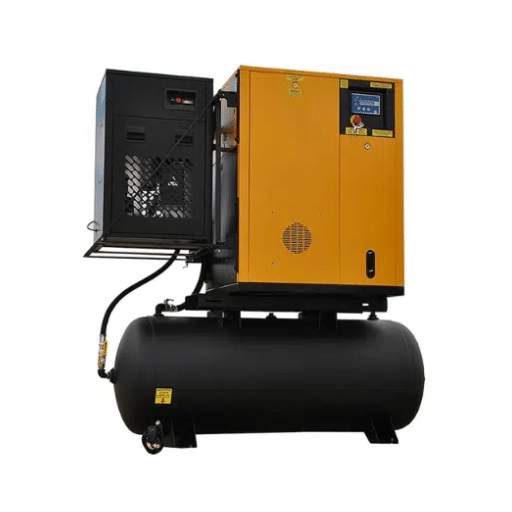
Screw Compressor Oil Carryover: Causes, Diagnostics, and Fixes
Read MoreScrew Compressor Oil Carryover: Causes, Diagnostics, and Fixes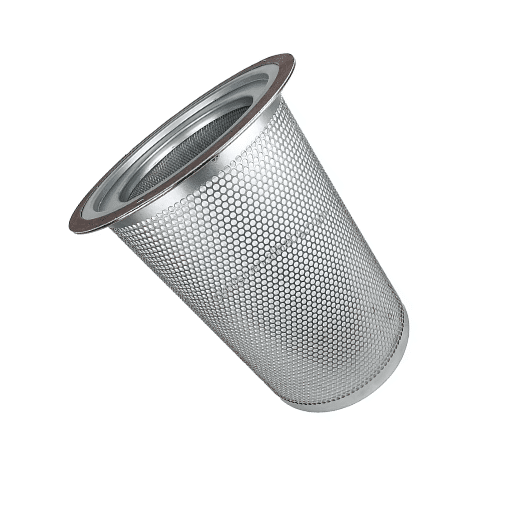
Screw Compressor Air Oil Separator: Replacement Guide
Read MoreScrew Compressor Air Oil Separator: Replacement Guide
Rotary Screw Compressor Oil: Types, ISO Grades, Intervals
Read MoreRotary Screw Compressor Oil: Types, ISO Grades, Intervals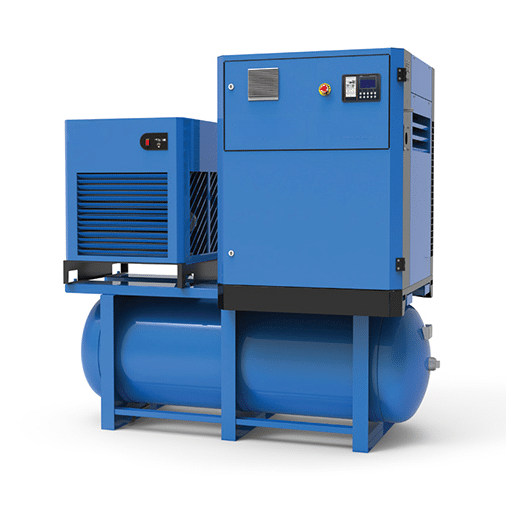
How Does an Oil-Injected Rotary Screw Compressor Work?
Read MoreHow Does an Oil-Injected Rotary Screw Compressor Work?Request a Quote for Your Oil-Injected Rotary Screw Compressor
Ready to optimize your industrial operations with a high-performance Oil-Injected Rotary Screw Compressor? Contact our team today to receive a customized quote tailored to your application needs, technical specifications, and budget requirements. Accelerate your project with industry-leading efficiency and reliability—request your quote now.
Frequently Asked Questions (FAQs)
An oil-injected rotary screw compressor is a type of compressor that uses oil to lubricate, seal, and cool internal components, ensuring reliable operation and efficient air compression in various industrial applications.
These compressors are widely used across industries such as manufacturing, automotive, food and beverage, chemical processing, and pharmaceuticals, owing to their robust performance and continuous operation capabilities.
Oil-injection reduces internal wear, enhances sealing for better compression efficiency, and provides effective cooling. This ensures longer equipment life and consistent, high-quality compressed air delivery.
Regular maintenance includes oil and filter changes, inspection of seals, monitoring of operating temperatures, and scheduled component checks to maintain optimal efficiency and minimize downtime.
Selecting the appropriate compressor involves evaluating factors such as required air flow, pressure, duty cycle, space constraints, and total cost of ownership, as well as the specific demands of the application environment.
With proper maintenance and adherence to recommended service intervals, these compressors typically have a lifespan exceeding ten years, depending on usage intensity and environmental factors.