
Air Dryer Selection Guide for Screw Compressors
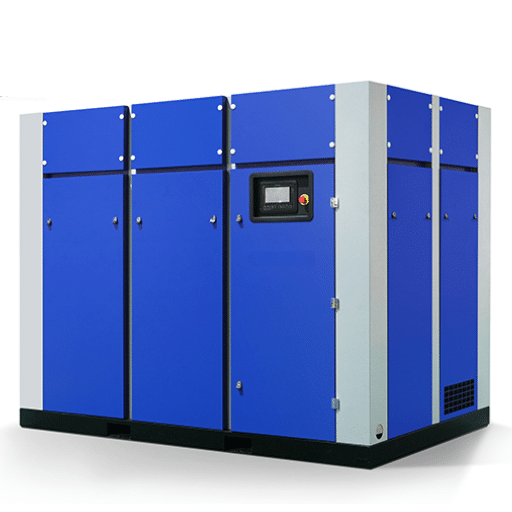
Air dryers are an essential component of the screw compressors’ system that maintains their effective operation in completeness. The air dryer types you prefer should be tasking at this point. Apart from efficiency, the right air dryer contributes more to protect equipment from the consequences that cause damages such as corrosion and contamination. Consider this as a sister’s guide on how to choose the most appropriate air dryer for enhanced functioning of each individual’s screw compressor. This article will concentrate on the most important functions and how each factor hinders or promotes the well-being of a compressor’s system and its components.
Introduction to Air Dryers for Screw Compressors

An essential role for air dryers involves making the screw compressors energy-efficient, because they ensure that the compressed air is free of moisture. Moisture promotes rust, which causes performance issues. Furthermore, as the moisture goes downstream, it might cause damage to tools and other machinery. The two very common types of air dryers out there are the refrigerated and desiccant dryers. Refrigerated dryers work just fine for most applications as they remove the moisture from the air and are affordable. However, desiccant dryers have their pros. When you need exceptional dry air for the pharmaceutical or medical industries, for example, desiccant dryers prove more useful. The air dryer you want could depend on your operating conditions, the level of desired air purity, and available funding. A solid air dryer lengthens the lifespan of your machinery and ensures air purity.
What Are Air Dryers and Their Role in Compressed Air Systems?
Devices known as air dryers are used to dehydrate compressed air and provide cleanliness compliant with particular criteria. As the air is compressed, the moisture content in it increases more than it can hold, thus leading to condensation, which causes corrosion of equipment, blocking of pipes, and reduction of system efficiency. As a result, air dryers eliminate the possibility of water vapor degradation by getting eliminated beforehand. They are very important because they ensure the compressed air systems remain reliable, maintain optimal efficiency in performance, enhance systems’ longevity while delivering compressed air free of moisture and any contaminants that may be fit for processes in industries, hospitals, or factories. The air dryers in such situations must be in good condition to safeguard the delicate equipment and to avoid fluctuations in quality during peak operation.
Importance of Matching the Air Dryer Type with System Requirements
In order to optimize systems for maximum performance, energy efficiency, and cost effectiveness, appropriate air dryer types should be chosen. Air supplies that are compressed for different purposes may require different levels of air and moisture quality. An illustration of this is the use of refrigerated air dryers, which are mostly for industrial applications where the dew points are modest, whereas those applications that require very low air humidity, such as medicine or pharmaceuticals, need desiccant air dryers. Disregarding such models can cause various problems, including a reduction of the equipment’s operational efficiency, enhanced equipment wear, or even contamination issues. Understanding how the system operates in terms of its flow rate, pressure, and, necessarily, the dew point, it is easy for an organization to choose a suitable air dryer type. This, in turn, prevents downtime and ensures reliability for many years.
Overview of Common Applications
Compressed air supply remains the backbone of numerous industries due to its wide range of applications and standards. In the case in point, for the food and beverage industries, such air requires being clean and dry to facilitate the process of packaging and processing without causing contamination. In the pharmaceutical industry, the use of desiccant air dryers is practiced in order to manufacture the medication, along with maintaining sterile air facilities. In the automobile industry, air dryers serve a vital purpose as they protect against water blemishes while coating automotive components. For other industries, such as electronics, it is crucial to keep moisture away from certain parts and industrial configurations that employ pneumatic and air tools; moisture-free air is needed for utmost performance. Thus, air dryer types can be adjusted per the number of applications they find use in order to attain the highest grade and conformance requirements.
Understanding Different Air Dryer Types

For air dryer types, several varieties exist to cater to different industrial applications. Three major categories include refrigerated air dryers, desiccant air dryers, and membrane air dryers. In the case of refrigerated air dryers, the air is cooled for the removal and condensation of moisture, thus making it suitable for use in most general applications. Desiccant air dryers rely on their adsorbent elements to remove moisture from the air, which reduces the dew point to extremely low temperatures, ideal for processes that require very dry air, such as the manufacture of pharmaceutical or sensitive electronic devices. Membrane air dryers employ special membranes to help remove the moisture from the air supply. These look compact and energy-efficient and are normally employed where size matters. Every type serves a unique function, and which the appropriate choice is, in each case, is determined by the application’s particular requirements and conditions.
❄️ Refrigerated Air Dryers
Air is cooled to condense and remove moisture. Most suitable for general industrial applications with moderate dew point requirements.
🧪 Desiccant Air Dryers
Use adsorbent materials to achieve extremely low dew points down to -100°F. Ideal for pharmaceutical, food, and electronics manufacturing.
🔬 Membrane Air Dryers
Compact, energy-efficient units using membranes to filter moisture. No electrical energy required; perfect for space-constrained environments.
🧂 Deliquescent Air Dryers
Simple structure, very low cost, suitable for solving primary moisture problems. Limited dew point control requires ongoing drying agent replenishment.
Refrigerated Air Dryers and How They Work
The main purpose of a refrigerated air dryer is to lower the moisture content in a compressed air system, and they are very common. The mechanics of these units involve the lowering of compressed wet air temperature to about 35–50 degrees Fahrenheit (2–10 degrees Celsius), so that the moisture in the air easily converts into condensation, which is then imparted out of the air. Then this moisture that has been condensed is collected out of that system, and the air can become a lot drier. This is basically a two-step process, wherein a cooling element is used to warm hot air that is coming in with an element of a heat exchanger and a compressor, which is refrigeration equipment used to cool the air more, to allow for the condensation that is being described.
Refrigerated air dryer types are classified as cycling and non-cycling. Non-cycling dryers are usually used in air systems where the air flow and the ambient temperature are more or less the same all the time. On the contrary, cycling dryers do that only when required, and that aspect ensures less utilization of power due to varying loads. Such components are highly efficient, dependable, and are commonly used in situations where the control of moisture points inside the systems is not critical. Nevertheless, one should not expect them to achieve very low moisture levels or to be used in environments that are subject to freezing conditions.
Desiccant Air Dryers and Their Benefits
Desiccant air dryers are crucial in situations that demand very dry compressed air. The technique involves the use of desiccant materials such as silica gel and activated alumina that adsorb moisture from the surrounding air. This attains low dew values that reach -40°F and, in a few cases, -100°F. This makes them perfect for areas where dry air must be used, like pharmaceutical plants, food industries, and the manufacturing of electronics, among others.
One advantage of desiccant air dryers is the ability to provide uniform application at points where very low dew values are required. They work well in very low temperatures whenever the other dryer types fail to perform. These also avert problems associated with moist air like corrosion, freeze up, and load contamination, etc. They consume more energy than cycling air dryers, but this is understandable due to their ability to keep the air dry for an extended period without compromise, which makes the machines quite useful in many industries.
Membrane Air Dryers and Their Unique Applications
Membrane air dryers accomplish this by filtering the incoming air through several membranes, which are used to remove the moisture content from the air stream while allowing the dry air to pass through. These are credited for their portability and compactness and are used mainly in end-user solutions. The reason being the dryers do not need electrical energy for operation, hence energy-saving and allowing use even in infrastructurally challenged environments.
Another feature of their design comes in continuous drying without the use of refrigeration, achieved by water adsorption. Such air dryers can work well in processes that rely on a constant supply of moisture-free air, like chemical, packaging, and laboratory equipment applications. Equally, in compact spaces or where low-maintenance is needed, as they have fewer single moving components, they require very low maintenance.
There are many instances in which very dry air is necessary, such as in systems that rely on air power, controls of various types, and sensitive equipment that need not be damp, lest there is degradation in the system — wetness, machinery engagement, or even rust cases. They have found application in vehicle assembly lines and also in hydrogen fuel-based energy systems, as these technologies involve a high level of accuracy and a low level of humidity. Even with lower dew points than most air dryer types, these are effective all-purpose membrane dryers perfectly suited to several applications, including industrial and commercial.
How to Choose the Right Air Dryer for Your System

There are a few important aspects to be mindful of before selecting a suitable air dryer unit for your application. First, consider the levels of moisture that the application will need to handle since the dew point varies between different systems. Establish the airflow and the corresponding capacity needed to serve the application efficiently without affecting the dryer’s performance. Moreover, take into account the parameters of the working medium and working conditions, such as temperature and pressure, because they affect the performance of the dryer. Try to keep the system efficient and easy to use, even in terms of energy consumed and maintenance activities needed. In conclusion, consider such air dryer types as refrigerant, desiccant, and membrane, and choose the dryer in accordance with the system requirements and objectives.
Step-by-Step: Selecting the Right Air Dryer
- Determine the moisture levels the application will need to handle and the required dew point.
- Establish the maximum airflow rate in SCFM and size the dryer capacity above the peak demand.
- Account for operating temperature and pressure, as these affect dryer performance and rated capacity.
- Evaluate energy efficiency requirements and long-term maintenance obligations.
- Match the appropriate dryer type — refrigerated, desiccant, or membrane — to the system objectives and budget.
Factors to Consider: Compressor Size, Moisture Levels, and Air Quality Needs
One of the factors that should be checked is the compressor size in relation to the airflow and pressure capabilities of the application to be performed. Consider the air compressor that is too small or the application oversizing the available options, which may cause excessive energy usage. In terms of moisture, ambient temperature, and dew point, requirements will dictate the available drying capacity. These measures are attributed to deaerators in most cases, especially when the locations have high humidity levels. Should the air quality requirements be met, one must look at the nature of the application to determine the degree of filtration required. Take, for instance, how food or pharmaceutical industries would require much purer degrees of cleanliness because of the use of more sophisticated filtration, drying, and dispersive fluids. Creating conditions such that all of these elements are added helps to make certain that the system in use does not undergo any stress and performs to the required level.
Matching Air Dryer Capacity to Compressed Air Flow
To keep the system at a desired performance level, it is imperative that an air dryer and the system in question have a compressed air flow match appropriately. Determine what maximum flow of air is needed for the duty in question, and the amount needs to be written in SCFM. The capacity of the dryer should be larger than the demand to avoid any chances of system choking. Performance and efficiency most times depends on the pressure as well as the temperature at which the unit will work as well. When temperature and pressure go up, the capacity of the dryer usually tends to go down. One must understand that an oversized dryer is only going to increase power wastage, whereas an undersized one cannot eliminate enough moisture, which could jerk the system otherwise. The air dryer has to be selected in accordance with the conveyor capacity and the aero-thermodynamic environment in order to function with maximum effectiveness and cause the least amount of wear on air dryer types.
The Importance of Energy Efficiency and Operational Costs
Addressing the carbon footprint necessitates the incorporation of energy-saving equipment, as operation costs for compressed air systems have to be cut. Switching to machines with higher power efficiency can also allow enterprises to consume less electricity than air compressor specialists, who normally have a high demand. For instance, the purchase of new generation designs that are inclusive of variable speed drives or include the integration of waste heat recovery components, lessens the energy consumption of those machines and, in return, reduces the cost of running them. In addition, frequent checkups and appropriate planning of the units help to avert useless energy consumption due to any leakages or drops in pressure. Focusing on efficiency is cost-saving, more sustainable, and enhances the performance of the system.
Advantages and Limitations of Different Air Dryers

Pros and Cons of Refrigerated Air Dryers
✅ Pros
- Economy of Energy: In regular use situations, these refrigeration dryers consume less energy than their more sophisticated counterparts, such as adsorption dryers, and therefore may be the most energy-saving air dryer types. Even the running expenses of such units are low in applications’ envelopes where very low dew point values are not required.
- Economy of Scale: Installation of such a unit in an industrial or commercial facility is quite affordable because these depend upon low initial purchase costs as well as running costs, which one gets when there is no need for costly inflationary materials.
- Simplicity in Use: These are very easy to handle, and their few simple functional parts do not require intense power or a high level of user maintenance.
- Reliable Service for Mild Humidity Loads: These air dryer types can actually be used any time for general applications, provided temperatures are above around 37°F (3°C).
❌ Cons
- Limited Dew Point Reduction: As refrigeration devices, dryers are unable to reduce the dew point to the very low temperatures needed in certain industries, such as pharmaceutical manufacturing or electronics manufacturing.
- Unsuitable for Sub-Freezing Applications: Devices such as these do not work efficiently under freezing or very cold temperatures, so the possibility of using them in any configuration may be narrowed down in arctic locations.
- Moisture Build-Up Risks: Excess moisture control may become an issue under high temperatures or humidity.
- Size and Space Considerations: If the system is larger, it may take up considerable floor space, which may present a problem when there is a space limitation.
For general air treatment, it is advisable to use refrigerated air dryers. However, in cases where ultra-dry air is needed, or the environment is extreme, then it is desirable to use different air dryer types, such as desiccant air dryers, rather than refrigerated air dryers. It is important to consider the specific needs of the industry prior to arriving at any conclusion.
Strengths and Drawbacks of Desiccant Air Dryers
One of the best products to attain low dew points is the desiccant air dryer, for which many critical applications like pharmaceutical, electronics, and precision instrumentation manufacturing are promoted. This is because desiccant air dryers are very efficient in cold weather, when compressed air coolers may not perform well or work at all in colder conditions. And another thing, their functionality to dehydrate to scanty amounts of moisture makes them perfect in such processes where humidity matters most.
However, air drying using absorbent desiccant dryers has several significant disadvantages. They tend to be the priciest to spend on in terms of both purchasing and operating as compared to other air dryer types. They have relatively higher maintenance due to the use of desiccants, which have to be replaced or reactivated promptly, depending on the system in use. On top of that, there are concerns about energy efficiency in such systems, too, because during the process of regeneration, some purge air is lost, and this does not come without additional costs. Therefore, it is essential to look at the purpose of use and costs involved before opting for a desiccant air dryer.
Cost Considerations Across Air Dryer Types
Before moving forward with one or another air dryer type, however, the purchase priority on both capital and operating costs, as well as maintenance, should be clearly set. Generally, refrigerated air dryers tend to have a lower capital cost and are less expensive as far as energy use is concerned, hence more appropriate for simple industrial applications. On the opposing side, standard industrial units might be subject to a condition that exceeds even ‘normal’ expectations of dry air, because of the technology’s dew point limitations.
Desiccant air dryers are priced more than standard ones at the outset due to their higher dew points in operation, making them critical in ensuring dry air for processes. But the cost of operation is a little higher for these air dryer types as they require regular replacement or regeneration of the desiccant material, and there is even energy loss from the purge air to regenerate the air dryer.
Membrane air drying systems, on the other hand, provide a strategy that can be deployed for limited structural applications and mobile utilities, as the units are small and energy-conserving. Nevertheless, membrane air dryers offer substantial drawbacks in terms of purchase prices at a given capacity, as well as maintenance, because it involves the costs of replacing filters.
Also consider that the selection of an ideal air dryer requires a prior comprehension of the intended use, conditions of application, and costs, with the aim of reducing the expenses incurred over the entire useful life of air dryer types without compromising functionality.
Maintenance and Performance Optimization for Air Dryers
Maintenance is critical in enhancing the efficiency of air dryers and preserving them. These involve changing filters periodically, examining the condition of the desiccants and replacing them in case they are worn out or have absorbed a lot of moisture or air, and checking the system for any leakage. This ensures that the air system operates efficiently because it eliminates unnecessary overloads and also prevents downtime due to repairs. All of the above operating conditions, like temperature and pressure, must be maintained to ensure that the air dryer is not used beyond its capacity. The other enclosed repairs are in terms of ensuring one lists down all the necessary maintenance activities that are to be carried out, and ensures that all activities are performed correctly in accordance with recommendations from the manufacturer.
Routine Maintenance Tips for Enhanced Efficiency
1. Frequently Check and Clean Filters
Filters can get very dirty or even clogged, which is a problem as airflow becomes restricted and performance deteriorates. Check filters periodically and clean them. If necessary, replace filters to avoid a reduction in the unit’s efficiency.
2. Remove Condensate
Make sure that the system removes the condensate properly as expected. Evacuate accumulated moisture at intervals to ward off any water retention damage to the air dryer.
3. Examine and Adjust All Control Set-Ups
Ascertain that the temperature and pressure control devices are operating at the settings required by the system-installing manufacturer. Settings for the operation of the system may also be modified, given the limits of the system.
4. Check For Air System Leaks
Leaks cause inefficiencies and high energy consumption, and therefore, regular checks are done in maintenance. Make it a standard part of every inspection cycle.
5. Keep an Eye on and Change Essential Parts
It is prudent to regularly check such machine components that could wear easily, like seals, gaskets, and desiccant materials. They should be replaced immediately to avoid unnecessary downtime and maintain the efficiency of the system.
All these strategies would greatly help in extending the life of air dryer types, reducing energy consumption, and preventing any unnecessary costs for repairs. Ensure that you review any manufacturer’s maintenance procedures as outlined in their manual.
How to Identify and Address Common Performance Issues
In order to avoid any breakdown of the air dryer system and solve performance-related problems with it, first of all, pay attention to the operational activity, such as a great deal of moisture in the airline, as well as the sharp reduction of the drying time. Look for frayed parts or cracks in filters, gaskets, or even the desiccants. If there are cases of strange sounds or loss of pressure, check for blockages in filters, leakage, or even blockages in the system. For these scenarios, clear or change out the filters, make sure that there’s good sealing, and replace any parts that are worn out as soon as practicable. This rests on regular control of the system and adherence to its usage and care according to the manufacturer’s recommendations, as air dryer types perform well to minimize and avoid the frequency of such issues.
Importance of Regular Inspection and Replacement of Parts
It is necessary to perform periodic checks and replacement of components at the right time in order to enhance the performance, safety, and life of any system or machine. Through inspections, it is possible to detect probable problems both inside and outside in the form of wear, tear, corrosion, and blockages, before they manifest themselves and result in expensive repairs or system breakdowns. With these, it is necessary to replace any components, such as oil filters, gaskets, and seals, that may have worn out or failed in order to keep the system at its best performance and avoid any possible introduction of dirt or leakages, or even causing strain to other components. A proper schedule of maintenance, as well as quality replacement components, cuts out all this downtime and prolongs the useful life of the machine. Equipment doesn’t work at the desired efficiency level when proper maintenance is ignored, over and above making it very hard to run without this regular upkeep.
Final Takeaway
Protect Your Assets with the Right Air Dryer
By carefully evaluating dew point requirements, airflow capacity, operating environment, energy efficiency, and total lifecycle costs, you can select the air dryer type that best fits your screw compressor system. Whether refrigerated, desiccant, membrane, or deliquescent — the right choice ensures clean, dry compressed air, protects downstream equipment, and maximizes system reliability for years to come.
Reference Sources
A comprehensive academic document covering adiabatic dryers, rotary dryers, and more, with technical insights.
This paper describes the working principles of various air dryer types, including absorption, adsorption, refrigerant, and membrane dryers.
Frequently Asked Questions (FAQs)
In which manner do the different compressed air dryer types vary, and what are the major compressed air dryer types?
Refrigerated, desiccant (also called regenerative or heated desiccant), deliquescent, and membrane air dryers are considered the main compressed air dryer types. Most industries consider using refrigerated air dryers because they dry air by cooling it, making it possible to condense water vapor present in the air, and optionally draining the content to ensure removal of water, thereby offering moderately pressure dew point dry compressed air. Use of Desiccant Dryers, by contrast, works to dehydrate air using a desiccant, often with heat to dry the desiccant after it has absorbed moisture, with Dry Air as low as minus 70 degrees dewpoint achieved in practice. Deliquescent and membrane dryers are less sophisticated and mostly deployed in conditions where air purity is not really restrictive. The design considerations relating to each type of air dryer will vary depending on ‘energy efficiency, maintenance, purity of produced air, and downtime hazard control, for example’.
Which operation is used by a condenser to make the compressed air dry?
The primary function of a refrigerant dryer, which is also known as a refrigerated dryer, involves cooling down the compressed air coming from an air compressor in order to condense water vapor in the air into liquid form and thereafter remove it using a separator. This method incorporates the use of refrigeration to condense the moisture present in the compressed air and produce dry air with a higher pressure dew point than the desiccant systems. Most general industrial applications necessitate the use of good energy efficient Refrigerant dryers as they are more energy efficient, with filtration provided to filter out condensate or contaminants for clean and dry air for pneumatic systems.
Under what circumstances are desiccant dryers technological solutions better than air dryer types with a refrigeration mechanism?
It is recommended that fragile medical devices, crisp food, and a myriad of sensitive electronics be shielded from excessive humidity, which may be achieved by the use of desiccant air dryers. For this particular situation, the use of the desiccant dryers, which create consistent low moisture content within the air, is beneficial. The desiccant dryers’ effect of attracting moisture using specific desiccant materials and/or desiccant materials that apply heat in removing moisture from the i years air. However, the desiccant dryers tend to consume significantly more energy and require more maintenance in comparison to the refrigerated ones, but are preferred for the applications that do not require any moisture from the compressed air, as this would cause the air and its components to corrode and spoil the product or damage the instruments used.
How do air dryers help prevent corrosion and remove moisture from the compressed air?
In order to minimise the risk of corrosion in the piping, it is a good principle to remove moisture from compressed air before it reaches the pipework. This is done by either cooling down and condensing the water vapour, or by the use of dry chemical media, also called desiccant, to adsorb moisture out and dry out the compressed air. This eliminates the fear of vaporizing and causing corrosion of valves and piping downstream of the system. Air is also treated to avoid moisture, which includes the use of air filters, dryers, and mist eliminators in air compressors, because otherwise dirty and wet air will damage and wear down equipment, thus increasing maintenance intervals and eventually decreasing the life of the system.
Which air dryer types among the ones provided are suitable for my pneumatic system?
Important aspects that are worthwhile mentioning in this part of your business case include considerations of levels of air quality, required dew point, volume capacity of the pump, surrounding temperature, and temperature of the compressed air, desired operating cost range, and distinction in terms of the use of the air dryer system. Determine the type of drying system your facility requires, whether general-purpose air that will be distributed to major locations (which can be cooled by refrigerated dryers) or very dry air where moisture is minimized (where some desiccant dryers or refrigerated desiccant dryers should be used). Furthermore, it is also important to consider the resources required, downtime incurred, and the final cost of ownership when purchasing the dryer for your specific use.
What changes are caused by the different air dryer types in terms of energy usage and services?
Refrigerated dryers are typically less energy-intensive than regenerative desiccant dryers, which include energy requirements for purging or reactivation cycles, and a change covers desiccant on occasion. Deliquescent and membrane dryers are usually low-maintenance, but their air quality may not be as dry as is required in most industrial applications. The right air dryers take into account the initial purchasing cost, energy bill, servicing intervals, and the cost of machinery breakdown due to associated moisture interventions in the machinery.
Would air dryers and filters (or filtration equipment) be effective in removing additives other than water?
Certainly, air dryers are commonly used in conjunction with filters to remove particulate matter, oil mists, and condensate from the air in addition to moisture. Filter elements and coalescing elements can trap contaminants, which can cause abrasion or contamination in the pneumatic systems. Incorporating filtration with the usage of either a refrigerated drier[which works by condensing and releasing the moisture content] or a desiccant one [which works by absorbing the moisture] renders the air clean and safe for use for various purposes, as deemed necessary in different fields.
What can be considered a practical handbook on air dryer types and use across applications and industries?
A practical guide covers the particular use (for instance: food and beverage, instrumentation, painting, general manufacturing), the necessary dew point, the flow rate, and the allowable moisture content in the air. Where general industrial use is concerned and moderated levels of dryness are acceptable, refrigerated dryers are the most economical air dryer types. In critical applications where almost dry or corrosion and moisture condensation prevention in the compressed air is needed, such air dryers are desiccant or combined refrigeration/desiccant. Assess various air dryer types, refer to the manufacturer’s literature for the figures of pressure, dew point, and the capacities, as well as operation and maintenance practices or techniques, energy consumption, and overall expected cost of the air dryer during its lifetime to determine which air dryer type is appropriate in the given situation.