
Food & Beverage Screw Compressor: FDA Compliant Solutions
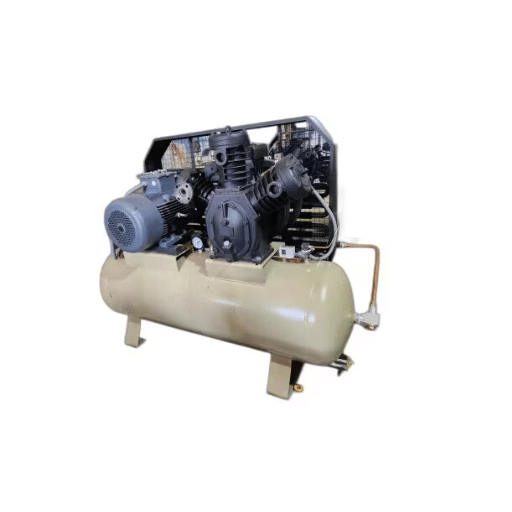
The food and beverage industry is well aware of the challenging regulatory standards that need to be enforced to ensure products are of the required safety and quality standards. Among these, FDA compliance cannot be overemphasized since it is a significant aspect of ensuring compliance and consumer trust. However, there is one aspect termed a screw compressor that pet food processors tend to take for granted in many systems. Crucial for the refrigeration, filling, and packaging, among other, these screw compressors need to maintain health and safety receptacles and the preclusions inside them to avoid contamination and facilitate the operative processes.
📄 Table of Contents
▶ Introduction to Food Grade Compressors

What Is A Food Grade Compressor?
A food-grade compressor is specialized in the field of air compressors, exclusively designed and manufactured to meet the special hygiene requirements for the food and beverages, ideally designed for processing and packaging industries. These are manufactured for providing oil-free and clean compressed air to prevent contamination of food products during processing and packaging. They are composed of materials and lubricants that are proven safe for incidental contamination with food and which comply with the prevailing rules and good practices emanating from the FDA, ISO 8573-1, and similar marketing regulations. Consequently, ensuring that the compressed air satisfies the stringent requirements for purity, reliability, and efficiency in order to meet the product quality and regulatory requirements is of quite great importance.
✅
Key Compliance Standards
- FDA Regulations — U.S. Food and Drug Administration guidelines for food-contact safety
- ISO 8573-1 — Specifies air purity classes and contamination prevention methods
- GMP (Good Manufacturing Practices) — Mandatory process validation and documentation
- NSF H1 — Food-grade lubricant certification for incidental food contact
Significance of Food Integrity in Compressed Air
Ensuring security and compliance are important for industrial compressed air systems. Food processing or packaging applications often involve the direct interaction or close proximity of compressed air with food products, and tests are probably run to make sure this is safe. In cooking, air compressors are sometimes directly in contact with food, and beverage and pharmaceutical industries also need to safeguard making certain that what is being put in consumers’ mouths is safe. Compliance with important food processing industry standards or regulations is not a matter for food companies to decide — not only are these assurances critical in ensuring trade moves smoothly — this is also vital for public health protection. ISO 8573-1, for example, specifies air purity classes while underscoring filters and other techniques to prevent contaminations. High-quality compressed air systems, if implemented with respect to these standards, would work miracles in achieving food integrity, keeping regulatory bodies on the side, and providing high-class public health protection.
The FDA Compliance Components Today
In manufacturing, FDA compliance entails following the set of rules by the U.S. Food and Drug Administration to ensure the safety, efficacy, and quality of the product. As such, this involves rigorous documentation, effecting process validation, and generally following the Good Manufacturing Practices (GMP). Manufacturers must install monitoring and control systems to minimize risks, such as sabotage or deviation from the approved procedures.
📋 FDA Compliance Checklist
- ◻ Rigorous documentation of all manufacturing processes
- ◻ Process validation in line with Good Manufacturing Practices (GMP)
- ◻ Monitoring and control systems to minimize contamination risks
- ◻ Regular internal and external audits
- ◻ Ongoing employee training programs
- ◻ Updated Standard Operating Procedures (SOPs)
⚠ Non-Compliance Risk
Non-observance of FDA regulations may bring about great fines, product recalls, or, in extreme cases, direct harm to public health. Hence, the significance of compliance with the regulations is critical for every manufacturer in the food and beverage sector.
▶ Types of Compressors in the Beverage Industry

Understanding the different categories of compressors available helps businesses make informed procurement decisions. Below is a comparative overview of the three primary types used across beverage operations:
| Compressor Type | Mechanism | Best Use Case | Key Advantage |
|---|---|---|---|
| Screw Compressor | Two intermeshing helical spirals compress air continuously | Bottle filling, pneumatic machines, continuous operations | Pulsation-free output; high energy efficiency |
| Reciprocating Compressor | Piston inside a cylinder compresses gas mechanically | Oil & gas, refrigeration, chemical processing | Handles small gas volumes at very high pressures |
| Portable Compressor | Mobile unit generating air at remote or temporary sites | Construction, auto maintenance, emergency systems | Multiple fuel types; operable without stationary power |
🔩 Screw Compressors
Complicated to be a type of rotary compressor, screw compressors are used widely in the drinks business because of their efficiency and dependability, for continuous application involving an air supply. These compressors utilize two helical spiral devices intermeshing with one another in order to give air in an input when operating without pulsations that are common to other sorts of compressors. Their ability to maintain a high production in constant pressure is particularly attractive, hence they are used for driving pneumatic separate-block machines, bottle fillers, or cleaning groups. Also, majority improvements have been made in screw compressor technology over the years, leading to energy efficiency improvements and a reduction in machine maintenance, further improving their cost-effectiveness for industrial use.
🔩 Reciprocating Compressors
Reciprocating compressors work by using a piston inside a cylinder to compress gas, so they are ideal for several industrial applications in high pressure compressions. Because of their capability to handle small gas volumes at significantly high pressure, they are widely prevalent within industries like oil and gas, refrigeration, and chemical processes. With historically somewhat higher maintenance practices than any other compressor types, recent advancements in technology have, however, increased their reliability, in addition to energy efficiency and overall performance, that make them still very pertinent to industrial operations.
🔩 Portable Compressors
Portable compressors are mobile machines generating compressed air at remote or temporary sites, where stationary systems might not be practical. Mostly utilized in construction, automobile maintenance, and emergency systems, modern portable compressors are all about endurance, efficiency, and responsibility toward the environment. New materials make them easier to carry and improve the energy-balance through quieter operation and advanced control systems. Since the fuel type can be gasoline, diesel, or electric — either a battery or wireless system — this means operation might be possible in places where such stationary power sources simply do not exist, making this machinery indispensable.
▶ Compressor Lubricants for Food Safety

Types of Compressor Oils
Compressor oil can be classified into three basic types of oils: synthetic, mineral, and food-grade oils. Synthetic oils designed to deliver high performance have very good thermal stability, oxidation resistance, and long life, and so mostly they are used for more demanding applications in the industries. Mineral oil is obtained from refined crude oil; therefore, it is a bit less expensive but with shorter life and lower resistance to extreme weather. Food-grade oil — say a synthetic or white mineral base with food-grade additive levels — is marketed mainly for food and beverage applications, ensuring compliances with related regulations (NSF H1).
| Oil Type | Base Stock | Performance | Food Safety Certified |
|---|---|---|---|
| Synthetic | Chemically engineered compounds | High thermal stability, long life | Conditional |
| Mineral | Refined crude oil | Moderate; shorter lifespan | ✗ No |
| Food-Grade | White mineral oil or PAO/PAG synthetics | High performance + food safety | ✓ NSF H1 / FDA |
Food Grade Lubricants versus Standard Lubricants
✓ Food-Grade Lubricants
- FDA 21 CFR & NSF H1 certified
- Nontoxic; no heavy metals
- Safe for incidental food contact
- Derived from white mineral or FDA-approved synthetic bases
- Food-grade additives for full consumer health protection
⚠ Standard Lubricants
- Designed for industrial robustness only
- Not certified for food contact
- May contain heavy metals or hazardous additives
- Do not comply with FDA hygiene standards
- Risk of product contamination if used in food settings
Recommended Compressor Lubricants
💡 Expert Tips: Choosing the Right Lubricant
It is imperative to focus on lubricants indicated for use with your plant and operation conditions when choosing a compressor lubricant. For food-industry surroundings, NSF H1-registered synthetic oils such as polyalphaolefins (PAOs) or polyalkylene glycols (PAGs) are the best recommendations due to their excellent thermal resistance, resistance to oxidation, and their safety compliance.
- Opt for PAO (Polyalphaolefins) or PAG (Polyalkylene Glycols) for superior performance
- These lubricants reduce wear, prevent deposit buildup, and enable smooth operation across varying temperatures
- Always read compressor catalog notes and relevant specifications regarding NSF or FDA rules
- Compliance with stipulated protocols is compulsory — not optional
▶ Efficiency and Reliability of Food Grade Compressors
Performance Metrics
Performance parameters for food-grade compressors are essentially in place, such as energy efficiency, flow capacity, and fatigue life under continuing operation. Among the essential parameters recorded are the specific power consumption in kW/100 CFM, indicative of energy consumed per unit of flow, and the volumetric efficiency, which demonstrates how well the compressor manages to convert inlet air to readily available compressed air. Additional reliability parameters, such as the Mean Time Between Failures (MTBF), are used to calculate the longevity of operation and hence minimize downtime. With proper adherence to industry standards, attentiveness is maintained to ensure a balance between performance and safety.
📊 Key Performance Statistics
6,000+
Operating Hours
Achievable Lifespan
kW/100 CFM
Specific Power
Consumption Measure
MTBF
Mean Time Between
Failures Metric
Lifetime of: Operating Up to 6000 Hours
Air compressors from the present day, especially for industrial, food-grade applications, are designed in a manner that offers optimum operating efficiency for long periods, sometimes for as much as 6,000 hours, depending on the modes of use and maintenance conventions in place. The required species causes the repetition of the manufacturer’s recommended service intervals — such as frequent changes of filters and timely provisioning of lubricants for precision work, and innumerable inspections of the instrumental operation. Advancement in the form of durable materials and correct precision machines has also enhanced operation lifetime to elongated levels of use, greatly reducing the need for frequent replacements and improving operational cost-effectiveness. In other words, the applied maintenance and worthy components ensure operational probation under these circumstances of long-term sustainability.
🔧 Best Maintenance Practices for Longevity
- Follow manufacturer-recommended service intervals without exception
- Replace filters on a scheduled, documented basis to maintain air purity
- Ensure lubricants are provisioned timely and meet food-grade specifications
- Conduct routine inspections of instrumental operation indicators
- Use durable, precision-machined replacement components approved by OEM
- Inspect water-cooled and air-cooled systems at regular intervals
Optimizing the Operation for Water Efficiency
It is imperative to use advanced technology like predictive maintenance systems that use IoT sensors and AI to monitor equipment functions in real-time to ensure high throughput. This helps in unraveling failed equipment and in the specific recommendation of the steps needed to avoid downtime from the onset. It makes for more efficient use of resources. Automation and AI-driven tools not only expedite operational processes but also save these from human errors and foster decision-making. Keeping up with a frequent updating of operational protocols based on best industry examples can aid towards achieving maximum sustainability while reducing operational costs.
💡 Operational Efficiency Tips
- Deploy IoT sensors for real-time equipment monitoring and predictive maintenance
- Integrate AI-driven tools to automate repetitive decisions and reduce human error
- Update operational protocols regularly using current industry benchmarks
- Leverage automation to maximize throughput while minimizing energy waste
▶ Choosing the Right Compressor for Your Beverage Industry Needs
Factors to Consider
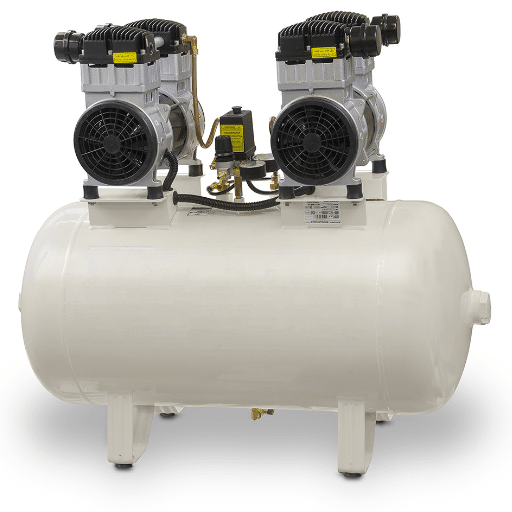
A handful of crucial points are there to consider for the selection of a compressor in the beverage industry to secure optimum performance and conformity with industry requirements. The advanced design features such as variable speed drives can adjust themselves and fine-tune their output to match changing parameters in the dynamic production environment, further reducing energy waste.
🔬 Capacity Requirements
Match compressor output capacity with your production demands to avoid shortfalls or over-engineering.
⚙ Pressure Levels
Select the correct pressure rating to support all downstream pneumatic equipment and packaging systems.
⚡ Energy Efficiency
Prioritize energy efficiency ratings to keep operational costs low and align with sustainability goals.
📋 Food-Grade Compatibility
Verify compatibility with food-grade standards to avert contamination and ensure regulatory adherence.
🔧 Maintenance Requirements
Assess the preventive maintenance demands as these influence noise levels, operational longevity, and total cost.
📉 Variable Speed Drives
Advanced VSD features allow the unit to fine-tune output to dynamic production environments, reducing energy waste.
Premium Features to Look For
Choosing the best premium features to equip an industrial air compressor is contingent on whether the features augment performance and efficiency. Always keep in mind that whatever you select is customized in adherence to your application characteristics for efficient performance.
- ➤
Variable Speed Drives (VSDs) — Selectable VSDs adjust energy consumption according to air demand, preventing wasteful overconsumption.
- ➤
Advanced Filtration Systems — Guarantee air purity and compliance with food industry standards throughout operation.
- ➤
Supervision and Automation Subsystems — Allow for continuous monitoring and automated responses to operational variances.
- ➤
Heat Recovery Capabilities — Utilize excess heat for other operational requirements, enhancing overall energy efficiency.
- ➤
Noise Reduction & Extended Maintenance Intervals — Enhance operational comfort and lower costly downtime across the production facility.
Cost & Benefit Analysis
For evaluating the cost benefits of further developments in heavy-duty industrial HVAC systems, the primary consideration is the initial investment weighed against the efficiencies leading to cost savings in the long run. Although more up-front investment would be required in the name of additional components such as better heat recovery, IoT monitoring, and noise reduction, these systems bring about greater savings in the wake of high energy consumption and superfluous maintenance costs while extending the life-span of equipment.
| Feature | Upfront Cost Impact | Long-Term Benefit |
|---|---|---|
| Heat Recovery System | Higher initial cost | Reduced overall energy consumption |
| IoT Monitoring | Moderate investment | Fewer unplanned downtime events |
| Noise Reduction Components | Minor premium | Improved worker environment; compliance |
| Extended Maintenance Intervals | Higher quality parts cost | Lower lifecycle maintenance expense |
▶ Frequently Asked Questions
📚 References
-
Ray W. Herrick Laboratories – Compressor Research
This report outlines activities in compressor research and design, providing insights into advanced compressor technologies.
Read more here -
FDA Food Code 2017
The FDA Food Code is a model for safeguarding public health, including guidelines relevant to food-grade equipment and materials.
Access the document here -
ScienceDirect – A Comprehensive Review of Key Technologies
This academic paper discusses advancements in water-lubricated oil-free screw compressor technology, which is relevant to food-grade applications.
Explore the article here
Summary
Our exploration of FDA-compliant screw compressors reveals why these systems are indispensable in modern food and beverage operations. From selecting the right lubricant and compressor type, to applying smart monitoring technologies and maintaining rigorous compliance schedules — each decision directly impacts product safety, regulatory standing, and long-term profitability. Regardless of whether you are a building manager, a design engineer, or a management professional, remaining attentive and knowledgeable about how these systems work ensures they perform effectively and within the guidelines.