
Medical Grade Oil-Free Compressor for Healthcare Applications

The demand for medical-grade oil-free compressors has surged in healthcare settings where precision, cleanliness, and safety are essential requirements. The specialized compressors operate essential medical equipment while maintaining contamination-free conditions which are necessary for high-risk medical procedures. Medical-grade oil-free compressors deliver high-performance air supply through their dedicated design which avoids oil-based system dangers that protect patient safety and meet strict industry standards. This article examines the vital significance of oil-free compressors in healthcare, exploring their design, advantages, and applications. The advanced technology described in this article will demonstrate its impact on future healthcare infrastructure development.
Understanding Medical Air Systems
What is a Medical Air Compressor?
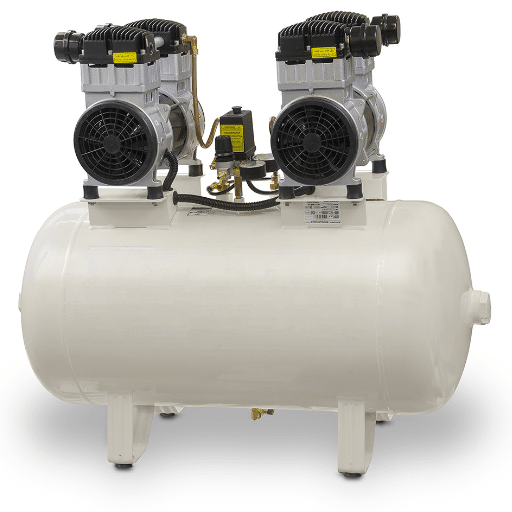
A medical air compressor serves as a specialized equipment that generates pressurized dry air that meets medical standards for different healthcare purposes. Medical air compressors operate as superior devices that fulfill particular purity requirements and safety regulations by delivering air that does not contain oil or particulates or moisture. The systems deliver essential power to medical equipment while they provide patients with breathable air and maintain crucial operations which need both accurate results and dependable functions.
Components of a Medical Air System
A medical air system typically comprises several key components designed to ensure constant delivery of clean safe air. The system includes air compressors which create pressurized air and air dryers which eliminate moisture to stop corrosion and microbial growth and filtration systems which remove both particulates and oil contaminants and pressure regulators which create stable air pressure for different uses. The system includes alarm systems and control panels which work together to track system performance while notifying personnel about system problems which allows for continuous system operation according to medical requirements.
🔧 Key System Components:
- Air compressors for pressurized air generation
- Air dryers for moisture elimination
- Filtration systems for contaminant removal
- Pressure regulators for stable operation
- Alarm systems and control panels for monitoring
Importance of Compressed Air in Healthcare
Healthcare facilities require compressed air as a vital resource which supports various critical operations needed to maintain patient safety while delivering effective treatment. The system powers surgical tools and ventilators and anesthesia systems and other medical devices which need a dependable sterile energy source for their intricate operations. Medical-grade compressed air undergoes filtration and regulation processes which ensure that it meets high purity standards thus reducing contamination risks and fulfilling health regulations. The system operates in clinical settings while it supports both pneumatic systems and hospital infrastructure needs which makes it essential for contemporary healthcare facilities.
Types of Medical Air Compressors
Rotary Screw Air Compressors
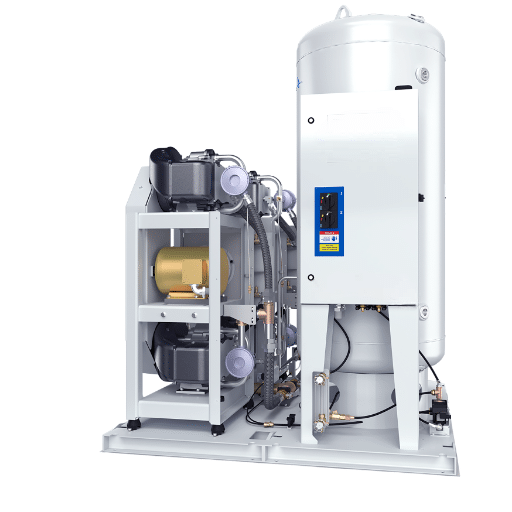
Medical facilities and industrial sites depend on rotary screw air compressors because these systems provide dependable performance and high operational efficiency. The compressor system uses two interlocking helical screws to create compressed air through the movement of air along the length of each screw. Their continuous duty cycle capability enables them to produce consistent compressed air streams that operate with low pressure variations, which makes them suitable for situations that need dependable air supply. The design of modern rotary screw compressors includes advanced filtration systems and soundproofing features that enable them to deliver clean indoor air while maintaining low noise levels and meeting strict medical requirements. Healthcare institutions choose these devices because their small size and low power consumption support their environmental goals while delivering high operational effectiveness.
Piston Compressors
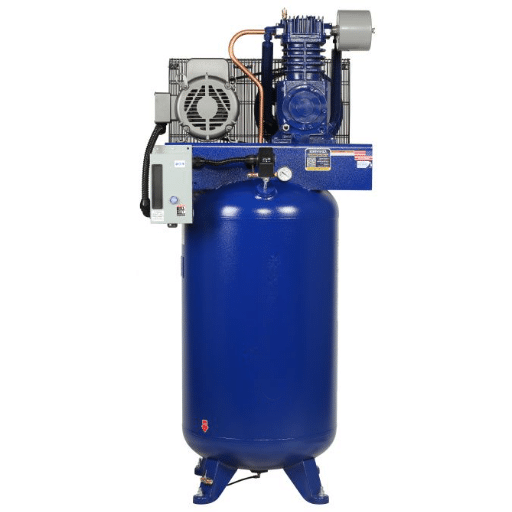
Piston compressors, also known as reciprocating compressors, operate by using a piston driven by a crankshaft to compress air within a cylinder. The compressors provide reliable performance because they can deliver compressed air at high-pressure levels. The rotary screw compressors produce less noise and heat than the system but maintain the same operational performance because of their basic design which decreases maintenance requirements. Piston compressors operate in multiple industries which include automotive and manufacturing and construction because these industries need temporary compressed air supply. The modern advancements in these products have enhanced both their operational efficiency and their product lifespan which makes them suitable for specific uses.
Oil-Free vs. Oil-Lubricated Compressors
The design and maintenance requirements and operational use of oil-free compressors differ from those of oil-lubricated compressors. Oil-free compressors use a design that keeps all lubricating oil away from the compression chamber, which makes them suitable for industries that need to produce high-purity air like medical and pharmaceutical and food production. Oil-lubricated compressors need oil to operate because it protects their parts from wear while enabling their optimal performance which makes them better suited for use in industrial environments that require heavy-duty equipment. The equipment requires operators to conduct routine oil changes because the system needs to be maintained for oil quality protection. Many performance differences between the two systems have been eliminated by recent technological progress, but actual application performance depends on the specific air quality needs and operational conditions of each system.
| Compressor Type | Advantages | Best Applications |
|---|---|---|
| Oil-Free Compressors | Contamination-free air, meets strict purity standards, low maintenance | Medical, pharmaceutical, food production |
| Oil-Lubricated Compressors | Reduced wear, optimal performance, heavy-duty capability | Industrial environments, manufacturing |
| Rotary Screw | Continuous duty, low noise, compact design, energy efficient | Hospitals, medical facilities |
| Piston Compressors | High-pressure delivery, simple design, reliable | Automotive, construction, temporary supply |
Applications of Medical Air Compressors in Healthcare
Use in Surgical Procedures
The operation of medical air compressors in surgical rooms supports multiple medical functions through their ability to deliver purified and desiccated medical-grade air at controlled pressure levels. The air supply powers pneumatic surgical instruments which include drills and saws and ventilators to deliver precise and dependable performance throughout surgical procedures. Medical air functions as a respiration system for patients who undergo anesthesia making sure they receive continuous oxygen supply while their safety needs are met. Modern compressors use advanced filtration systems to remove all contaminants which meet healthcare requirements and stop infections from occurring in sterile settings.
⚕️ Surgical Applications Include:
- Pneumatic surgical drills
- Surgical saws and cutters
- Ventilator systems
- Anesthesia delivery
- Respiratory support systems
- Sterile environment maintenance
Role in Patient Safety and Comfort
Medical air functions as an essential element which enhances patient safety while delivering essential medical-grade air that meets all requirements for various healthcare functions. The system helps patients who have lung problems by delivering accurate breathing support through its ventilation systems which protect them from developing hypoxia. The surgical process requires high-level medical air which creates a safe space that protects against contamination while maintaining sterile conditions to decrease the chance of infection. The system controls delivery to give patients comfort during their respiratory treatment which helps them receive stable healthcare that meets strict industry requirements.
Integration with Other Medical Equipment
The design of present-day medical air systems enables their compatibility with sophisticated medical devices which boosts their operational capacity while safeguarding patients. Ventilators use medical air to supply exact oxygen levels needed for breathing assistance while anesthesia machines depend on the system for safe sedation management. Medical air serves as the essential power source which enables surgical instruments to operate effectively within the sterile conditions of operating rooms through their pneumatic systems and air-powered drills. The systems connect through centralized pipelines together with monitoring systems which provide uniform and efficient service throughout all hospital departments. Real-time monitoring technologies support system integration which decreases mistakes while enhancing patient care results.
Designing a Medical Air Compressor System

Factors to Consider for System Design
The design process of a medical air compressor system requires multiple crucial aspects to be assessed for achieving safe and dependable operations that meet healthcare regulations. The required air quality classification needs to be assessed according to ISO 8573-1 standards which specify the maximum allowable levels of various contaminants including particles and moisture and oil. The system needs to be able to supply its maximum demand because hospitals require specific analysis based on their total patient count and their utilization of equipment. The system needs to include backup compressors and storage tanks as redundancy measures which help maintain operational continuity during routine maintenance as well as unpredicted equipment breakdowns. The design process needs to establish real-time monitoring systems together with alarm systems which help maintain system performance while energy efficiency and environmental compliance requirements guide sustainable design decisions.
✓ Design Checklist: Critical Factors
- Air Quality Standards: Compliance with ISO 8573-1 for contaminant levels
- Capacity Planning: Assessment based on patient count and equipment usage
- Redundancy Measures: Backup compressors and storage tanks installation
- Monitoring Systems: Real-time tracking and alarm integration
- Energy Efficiency: Sustainable design and environmental compliance
- Regulatory Compliance: NFPA 99 and healthcare standards adherence
Power Requirements and Efficiency
The design process requires modern technologies which include high-efficiency variable speed compressors and energy recovery systems to achieve optimal power requirements and system efficiency. The technologies decrease energy needs while delivering stable operational results. Accurate load calculations tailored to the facility’s operational demands can prevent overdesign and unnecessary power usage. Dynamic energy optimization occurs through advanced control systems which use real-time analytics to identify energy usage patterns that lead to waste reduction and efficiency improvements. Organizations need to comply with current energy standards and certifications which include Energy Star and ISO 50001 to achieve sustainable operations while meeting regulatory requirements.
💡 Tips for Maximum Efficiency:
- Implement variable speed compressor technology
- Utilize energy recovery systems for heat reclamation
- Conduct accurate load calculations to prevent overdesign
- Deploy real-time analytics for pattern identification
- Pursue Energy Star and ISO 50001 certifications
Maintenance and Reliability of Compressor Systems
Regular maintenance is essential to ensure the reliability and optimal performance of compressor systems. The process needs to include regular inspections which help detect system wear and filter replacement which prevents system contamination together with vibration and noise monitoring which helps identify internal system problems. The system needs lubrication for its moving components because this process decreases friction which enables the system to operate for longer periods. The use of predictive maintenance techniques which include vibration analysis and thermal imaging enables early detection of potential failures which results in decreased operational downtime. The system reliability and operational efficiency increase when organizations follow the maintenance schedule recommended by manufacturers while maintaining their maintenance records in detail.
| Maintenance Task | Frequency | Purpose |
|---|---|---|
| Regular Inspections | Weekly/Monthly | Detect system wear and potential issues |
| Filter Replacement | Quarterly | Prevent system contamination |
| Vibration Monitoring | Continuous/Monthly | Identify internal mechanical problems |
| Component Lubrication | As Per Schedule | Decrease friction and extend lifespan |
| Thermal Imaging | Semi-Annually | Early failure detection |
Choosing the Right Medical Air Solutions
Evaluating Your Healthcare Facility’s Needs
Healthcare facilities must analyze multiple essential factors when they assess their requirements for medical air systems. The assessment should start with three elements which are your facility size, patient volume, and operational needs of your surgical and critical care departments which use special medical equipment. The assessment should examine how medical procedures require specific air quality standards and pressure requirements which NFPA 99 and ISO 7396-1 definition. The assessment needs to evaluate equipment reliability together with energy performance because this assessment determines both operational expenses and equipment downtime. Healthcare providers need to understand these parameters because they help choose systems which match their operational needs and regulatory requirements.
📊 Evaluation Framework: Key Parameters
| Facility Characteristics | Size, patient volume, department operations |
| Quality Standards | NFPA 99, ISO 7396-1 compliance requirements |
| Performance Metrics | Equipment reliability, energy efficiency |
| Operational Impact | Cost analysis, downtime prevention |
Comparison Between Various Medical Air Systems
The evaluation of separate medical air systems requires examination of four elements which include system design and regulatory compliance and energy efficiency and maintenance needs. Centralized systems which hospitals use as their main system provide dependable airflow which maintains all standards set by NFPA 99 and ISO 7396-1. Portable and modular solutions enable smaller facilities to create temporary setups through flexible systems which need more maintenance. The combination of oil-free compressors with energy-efficient technologies delivers operational reliability because these technologies reduce both operational costs and long-term expenses. The selection of a proper solution requires evaluation of application size and budget and healthcare standards which safeguard patient safety while optimizing operational performance.
| System Type | Advantages | Disadvantages | Best For |
|---|---|---|---|
| Centralized Systems | Reliable airflow, NFPA 99 compliant, consistent performance | Higher initial investment, complex installation | Large hospitals, multi-department facilities |
| Portable/Modular | Flexible, lower initial cost, temporary setups | Higher maintenance, less efficient | Smaller facilities, temporary installations |
| Oil-Free Energy Efficient | Reduced operational costs, reliable, sustainable | Specialized maintenance required | All medical facilities prioritizing efficiency |
Efficiency Improvement Through Expert Advice
The optimization of medical air systems requires collaboration with industry experts because their support enables facilities to meet current healthcare standards while using advanced technology. Professionals provide facility-specific design and performance evaluation and maintenance strategy development to meet facility needs. The experts help organizations to comply with complicated regulations while they develop energy-efficient systems and implement advanced technologies which include oil-free compressors. The collaboration process results in enhanced operational performance together with decreased costs while maintaining complete patient protection.
🎯 Best Practices for System Optimization:
- Engage industry experts early in the design phase
- Conduct comprehensive facility-specific assessments
- Implement continuous performance evaluation protocols
- Prioritize energy-efficient technologies and oil-free systems
- Develop customized maintenance strategies
- Ensure full regulatory compliance throughout operation
References
-
University of Maryland: A document discussing medical air and vacuum equipment used in healthcare facilities. Read more here.
-
University of Virginia Medical Simulation Center: Information on low-noise air compressors used in medical simulation equipment. Explore the details.
-
Boston University Cybersecurity Blog: Details about the Allied Healthcare Timeter Aridyne Medical Air Compressor and its applications. Check it out.
Frequently Asked Questions (FAQ)
Q: What is a medical air compressor and why is it essential in medical environments?
A medical air compressor operates as a specialized system that produces oil-free compressed medical air. The system creates clean air which doctors use to treat patients and to operate delicate medical machinery. The air systems maintain NFPA 99 and CSA requirements which establish strict guidelines for delivering high-performance compressed medical air to respiratory systems and medical equipment to protect patients during essential treatments that include anesthetic delivery and oxygen supply adjuncts.
Q: How do oil-free medical air compressors differ from oil-less scroll and scroll air compressors?
Medical air compressors operate without oil contaminants to deliver safe air for medical use. The healthcare industry and dental practices prefer oil-free designs because they deliver compressed air that meets NFPA 99 standards. Dental equipment and patient care settings commonly use scroll compressors because they offer quiet operation and need less maintenance while providing reliable performance.
Q: What configuration and components are included in compressed air systems for healthcare?
The system requires multiple components which include oil-free and scroll compressors together with desiccant dryers and refrigerated dryers and filters and storage tanks and vacuum suction systems to create clean air. Desiccant units are used in applications that need extremely low moisture levels. Desiccant air dryers operate to eliminate water vapor which helps protect medical and dental equipment from damage while ensuring medical air meets NFPA 99 moisture and quality standards.
Q: Are medical air compressors used in dental practices different from those used in hospitals?
Dental practices and hospitals both utilize medical gas systems together with compressed medical air systems although their needs differ between the two facilities. Dental equipment needs medical air compressors which operate without oil and deliver clean dry air for handpieces and patient care in compact size and dependable performance (brands like Powerex medical air or Pattons may be specified). Hospitals need to establish extensive systems which connect their central oxygen supply and vacuum systems and backup systems to maintain critical functions throughout all medical departments.
Q: How can I find the right medical air compressor to meet NFPA 99 and regulatory requirements?
The selection process needs you to assess your application requirements by determining essential flow rates and pressure levels and redundancy needs and oil-free dry air quality standards. The selection of compressors and air systems needs to follow NFPA 99 standards and CSA guidelines for all applicable components while desiccant air dryers need to be included when low dew point requirements are present. The specialist will evaluate systems to determine their required capacity for peak demand during patient care and dental equipment and respiratory system usage which helps maintain compliance and patient safety.
Q: What maintenance is needed to ensure compressed medical air provides clean, dependable supply?
The maintenance process needs to be performed at regular intervals which includes filter replacement and desiccant and dryer system servicing and alarm and gauge testing and inspection and following the oil-free and scroll compressor manufacturer maintenance schedule. The testing process verifies that compressed air meets purity standards while it helps maintain anesthetic and respiratory systems free from moisture and particulate matter. The system needs proper maintenance to maintain dependable air system operation which protects medical equipment and ensures patient safety while minimizing operational downtime.
Summary: The Future of Medical Air Systems
Medical-grade oil-free compressors represent a critical advancement in healthcare infrastructure, delivering contamination-free air essential for patient safety and optimal medical equipment performance. As technology continues to advance, these systems will become increasingly efficient, sustainable, and integrated with smart monitoring capabilities. Healthcare facilities that invest in high-quality medical air systems today are positioning themselves for superior patient outcomes, regulatory compliance, and operational excellence tomorrow.