
Used vs New Screw Compressor: Buying Decision Guide
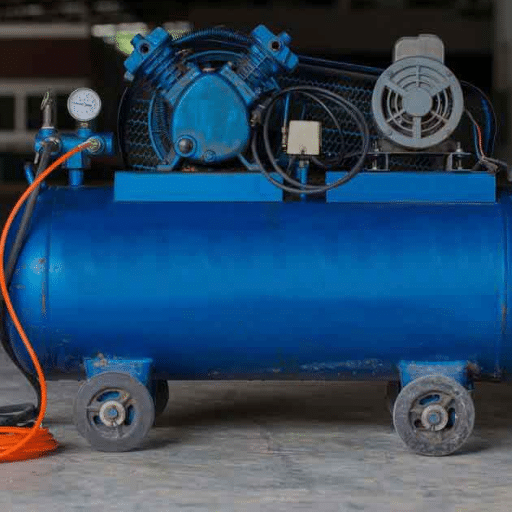
The two options have distinct advantages and disadvantages and need various factors to be considered before making a selection decision. This guide helps you make your important choice by showing you all the advantages and disadvantages which both new and used screw compressors present in a comparison format. The article provides you with essential information which allows you to make a selection that meets your specific requirements and business objectives. The guide will identify main elements which should be assessed to find the best solution for your company.
📋 Table of Contents
Understanding Compressors
Types of Compressors
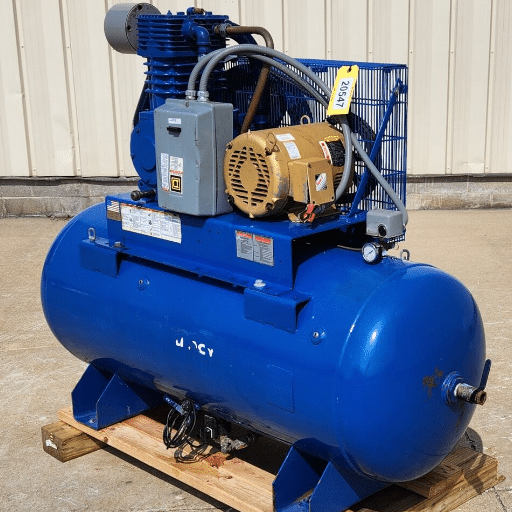
The field of compressors includes four distinct types that operate according to their specific application needs and operational requirements. The different compressor types exhibit distinct characteristics which include their design features and financial implications and upkeep demands — making it essential to choose the appropriate compressor for each specific application.
⚙️
Reciprocating Compressor
Uses pistons to compress gas; best suited for small industrial applications.
🔄
Rotary Screw Compressor
Operates continuously while delivering high efficiency for demanding activities.
🌀
Centrifugal Compressor
Uses dynamic principles to produce large air volumes required in industrial settings.
✈️
Axial Compressor
Powers aerospace operations and power generation by moving massive air volumes at high velocity.
How Air Compressors Work
The operation of air compressors involves two steps: they take power from electric motors or diesel engines or gasoline engines and transform it into pressurized air which stores potential energy. The process begins with the system taking in outside air which it compresses to smaller dimensions while raising its pressure through different compression methods that include reciprocating pistons and rotating blades and dynamic stages. The system stores compressed air in a tank while using it to power pneumatic tools and machinery through direct delivery. The current state of technology offers variable speed drive systems which enable better energy management and advanced control systems which help improve operational efficiency in industrial and commercial and residential settings.
Importance of Compressed Air in Industry
💡
Industry Key Fact
Compressed air functions as the “fourth utility” for industrial operations because it provides essential power needed by various industrial processes and equipment. It is used extensively for operating pneumatic tools, conveyor systems, material handling, and processes that require precision and consistency.
The manufacturing sector and automotive industry and food and beverage businesses and healthcare organizations use compressed air to support assembly work and packaging operations and cleaning tasks and aeration processes. Its versatility makes it indispensable across a wide range of industries.
Industries Relying on Compressed Air
- Manufacturing — assembly and processing lines
- Automotive — paint booths, pneumatic tools, tire inflation
- Food & Beverage — packaging, aeration, cleaning
- Healthcare — medical equipment, laboratory systems
- Construction — jobsite tools and portable equipment
- Woodworking — finishing, sanding, nailing
Evaluating Used Compressors
Benefits of Buying a Used Compressor
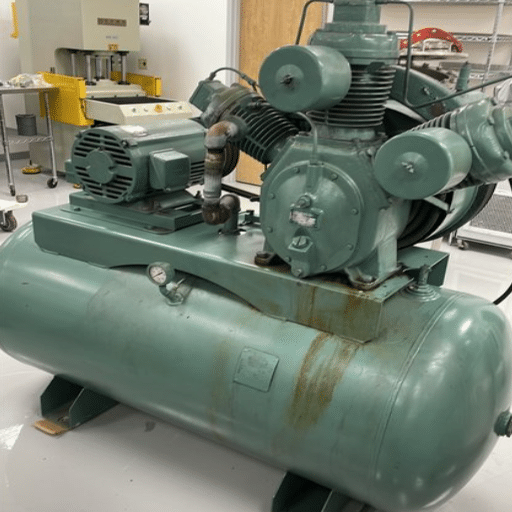
The budget-friendly solution of purchasing used compressors provides businesses with significant cost savings because it enables them to maximize their operational resources. Companies can achieve immediate operational needs through used compressors which provide quicker availability than new equipment. Many pre-owned units undergo refurbishment and testing procedures which confirm their reliable operational performance standards throughout their expected lifespan. The used compressor option gives industries with lower operational needs and fluctuating usage patterns an affordable solution that maintains essential operational capabilities.
Common Issues with Used Air Compressors
Used air compressors can present several common issues because they need proper maintenance and refurbishment before they can be resold. The main issues involve the essential parts which include motor valves and pistons experiencing normal damage that ultimately leads to less efficient operation and eventual mechanical breakdown. The outdated technology and inefficient systems of older units lead to increased energy costs. System leaks especially those affecting seals and hoses result in decreased air pressure which hinders operational capacity. The unknown maintenance history together with missing service documentation creates difficulties in establishing the unit’s status.
⚠️ Common Red Flags in Used Compressors
- Worn motor valves and pistons leading to mechanical breakdown
- Outdated systems increasing energy consumption costs
- Leaking seals and hoses causing loss of air pressure
- Missing or incomplete maintenance records
- No documentation of prior inspections or service history
Refurbished vs Used Compressors
New Compressors: Pros and Cons

Advantages of New Air Compressors
The advanced technology of new air compressors enables higher energy efficiency which enables them to meet current industry standards and achieve superior performance. The products include complete manufacturer warranties which provide end users with dependable equipment while decreasing their potential risks. The latest compressor systems use improved control systems together with quieter operation features to achieve better performance results. The advanced build quality of these units allows them to operate with minimal maintenance requirements which results in long-term cost savings for companies that prioritize operational efficiency and environmental responsibility.
✅ Key Advantages of Buying New
- Higher energy efficiency meeting current industry standards
- Complete manufacturer warranty coverage
- Advanced and quieter control systems
- Minimal maintenance requirements from day one
- Long-term cost savings through superior build quality
- Better environmental responsibility compliance
Key Factors to Consider When Purchasing New Compressors
The purchasing process for new compressors requires you to assess three main factors which include energy consumption and system capabilities and your intended application needs. The best compressors include Energy Star certified products which use variable speed drives for their operation to achieve efficient energy performance and lower operational expenses. Determine your operational activities to find a system which meets your specific performance needs by checking its maximum pressure and flow rate capabilities. The operational efficiency of the system needs assessment which includes evaluation for noise levels and maintenance needs and availability of spare parts to decrease downtime. Advanced monitoring systems present in equipment help boost equipment reliability while providing users with maintenance scheduling tools for upcoming maintenance work.
🔍 Factors to Consider When Buying New
- Energy Consumption: Prioritize Energy Star certified units with variable speed drives for lower operating costs.
- System Capabilities: Check maximum pressure (PSI) and flow rate (CFM) to match your specific work demands.
- Operational Efficiency: Assess noise levels, maintenance schedules, and spare part availability.
- Application Needs: Match the compressor type to your specific industrial or commercial use case.
- Advanced Monitoring: Look for built-in diagnostic and maintenance scheduling systems.
Cost Analysis: New Equipment vs Secondhand Equipment
New equipment offers advanced technological capabilities and warranty protection and reduced maintenance needs which makes it a better investment than used equipment for businesses seeking long-term operational efficiency. Used equipment offers discounts to buyers but these products come without warranty protection and they have shorter operational lives which require more resources for repairs because of their physical degradation. Buyers need to assess total ownership expenses which include energy efficiency and product lifespan and required maintenance work and possible equipment downtime to assess the true cost of ownership.
Making the Right Purchase Decision

Assessing Your Air Compressor Needs
The assessment of your air compressor needs requires you to first establish the necessary air pressure requirements which use PSI measurements and the required airflow specifications which use CFM measurements to determine the compressor capacity. The equipment type needs assessment should consider both the operational frequency and the possibility of multiple tools working at the same time. The assessment should include power source options which include electric and gas-powered systems and the assessment of portability requirements and working conditions which include space requirements and noise limits. The compressor selection process needs to match operational needs because this choice directly affects operational performance.
📝 Needs Assessment Checklist
- ☐ Define required air pressure in PSI measurements
- ☐ Determine required airflow specifications in CFM
- ☐ Assess operational frequency and duration
- ☐ Consider simultaneous tool usage demands
- ☐ Evaluate power source options: electric vs gas-powered
- ☐ Check portability requirements and space constraints
- ☐ Confirm acceptable noise level limits for the workspace
How to Evaluate Used Compressors for Sale
The process of assessing used compressors begins with an assessment of the unit’s overall condition that includes checking for operational issues through examination of wear and corrosion and damage signs. The maintenance records need to be checked because they show whether the compressor received its scheduled maintenance and proper upkeep throughout its operational life. The operational test of the compressor needs to be conducted to check its functionality while observing both output pressure and unusual noises and potential leaks. The assessment needs to include unit usage hours because high usage hours indicate additional wear. The used compressor needs to be confirmed as suitable for your operational needs because it must match your power requirements and capacity needs and necessary operational features.
Step-by-Step Evaluation Process
1
Inspect Physical Condition
Check for wear, corrosion, visible damage, and overall structural integrity of the unit.
Check for wear, corrosion, visible damage, and overall structural integrity of the unit.
2
Review Maintenance Records
Verify that the compressor received its scheduled maintenance and proper upkeep throughout its operational life.
Verify that the compressor received its scheduled maintenance and proper upkeep throughout its operational life.
3
Conduct an Operational Test
Run the compressor and observe output pressure, listen for unusual noises, and check for potential leaks.
Run the compressor and observe output pressure, listen for unusual noises, and check for potential leaks.
4
Check Usage Hours
High usage hours indicate additional accumulated wear; use this figure to evaluate remaining operational life.
High usage hours indicate additional accumulated wear; use this figure to evaluate remaining operational life.
5
Confirm Suitability for Your Needs
Match power requirements, capacity, and operational features to your specific business demands before committing.
Match power requirements, capacity, and operational features to your specific business demands before committing.
Tips for Negotiating the Best Deal
To achieve the best possible deal through negotiations you need to conduct market research which enables you to assess the value of similar items and discover their typical market prices. The process requires you to speak with confidence while enabling you to explain your needs and show interest in the topic without showing urgency. Use your knowledge about defects and required maintenance and wear to negotiate for lower prices. Your ability to depart from the negotiation table gives you power because it shows that you define your expected terms which leads to better results.
💰 Negotiation Best Practices
- Research comparable market prices before entering any negotiation
- Communicate confidence in your requirements without showing urgency
- Use identified defects, wear, and maintenance needs as price reduction leverage
- Be prepared to walk away — this strengthens your negotiating position significantly
- Define your acceptable price range and terms clearly before discussions begin
Shipping and Maintenance Considerations
Shipping Used Compressors
Shipping used compressors requires careful planning to ensure safe and efficient transport. The first step requires a complete examination of the compressor to demonstrate its operational state while all visible damage and wear needs to be recorded for future reference. The process needs to include the complete elimination of all fluids which consists of oil and refrigerants according to environmental regulations while all openings must be sealed to stop any potential contamination. The equipment needs to be packaged securely through the use of pallets and protective coverings or custom crating which will reduce the chances of any damage occurring. The business should select a dependable shipping company that specializes in transporting heavy equipment while also obtaining freight insurance to cover unexpected events. All shipping papers need to contain correct information which includes both labels and invoices that must fulfill destination country rules.
🚚 Shipping Preparation Steps
- Complete a full examination and document all visible damage or wear
- Drain all fluids (oil and refrigerants) per environmental regulations
- Seal all openings to prevent contamination during transit
- Secure with pallets, protective coverings, or custom crating
- Choose a specialized heavy equipment carrier and obtain freight insurance
- Prepare all required shipping documents including labels and customs invoices
Maintenance Tips for Used Air Compressors
Used air compressors require regular maintenance to achieve their best performance throughout their entire service life. The first step requires air filters to be checked and replaced on a regular basis because filter blockages will decrease operational performance. The process requires all connections to be checked and tightened because air leaks will result in unnecessary energy consumption. The process requires compressor oil to be checked and replaced according to the manufacturer’s authorized procedures in order to maintain proper equipment function. Daily tank drainage of condensation needs to be performed to stop internal corrosion while employees must inspect the belts for any signs of deterioration or misalignment. The process requires businesses to arrange regular technical evaluations which will discover machine faults beforehand to maintain secure and dependable functionality.
🌬️
Air Filters
Check and replace regularly to prevent blockages that reduce performance.
🔧
Connections
Inspect and tighten all connections to eliminate energy-wasting air leaks.
🛢️
Compressor Oil
Replace per manufacturer procedures to maintain proper function.
💧
Tank Drainage
Drain condensation daily to prevent internal corrosion of the tank.
⚙️
Belt Inspection
Check belts for deterioration and misalignment to avoid unexpected failures.
📋
Technical Evaluations
Schedule regular professional assessments to detect faults before failure occurs.
Filters and Specs for Optimal Performance
The selection of appropriate filters must comply with manufacturer requirements because this step is vital for achieving maximum compressor efficiency. High-efficiency air intake filters should be used to reduce contaminants and minimize wear on internal components which will extend the machine lifespan. The process requires filters to be inspected and replaced whenever they become blocked because this procedure maintains air pressure and flow at their designated pressure drop specifications.
Frequently Asked Questions (FAQ)
📚 References
-
NASA’s Glenn Research Center: This page discusses centrifugal compressors, their applications, and their historical significance in jet engines and rocket pumps.
Visit NASA’s page -
PubMed: A study comparing reusable and disposable nebulizers packaged with compressor kits used in the US. This is a reliable academic source for medical and technical equipment.
Read the study on PubMed
Ready to Make Your Decision?
Whether you choose a new or used screw compressor, matching the equipment to your specific operational needs, budget, and long-term goals is what matters most. Use this guide as your trusted reference throughout the buying process.