
Understanding Compressor Pressure Drop: Causes and Solutions

Introduction to Compressor Pressure Drop
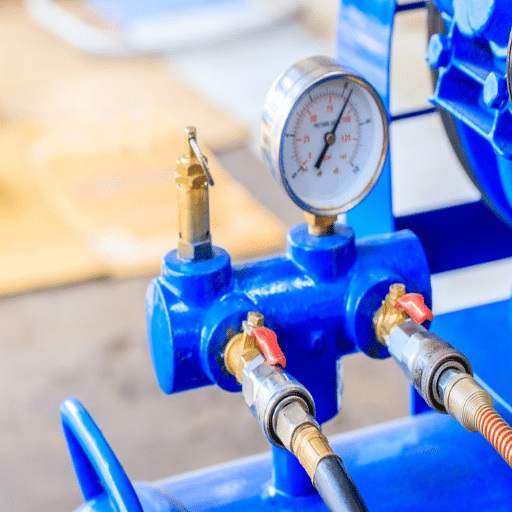
Pressure loss in compressors is the fall in the amount of air pressure as the compressed air travels in the system. It normally occurs due to the pipes, valves, fittings, or, in some cases, any equipment that offers flow resistance. It can occur as a result of incompetent planning of the system, the long distance between the compressor and the use point, undersized pipes, as well as clogged pipes or, in some cases, leaking pipes. These factors must be identified and dealt with promptly to promote energy efficiency, performance, and cost reduction in costs. Some factors that help reduce pressure drop include designing and constructing the system properly and maintaining it regularly.
Definition of Pressure Drop in Compressors
Compressor’s pressure drop is defined as the decrease in the air pressure while the air is passed through a pipe network, valves, fittings, and other elements of the system. This phenomenon takes place due to the presence of friction and turbulence in the system that restricts the movement of air. The usual pressure drop is a result of:
- Too small pipes or too long a distance between the compressor and its use point
- Dirty filters or apparatus in bad repair
- Excessive friction and turbulence that restricts air movement
Because most of the pressure drop is energy lost, it also means that the system runs less effectively. To reduce the effect of pressure reduction, one should improve the design of a system, install the pipes of the right dimensions, limit the number of restrictive elements, and perform regular maintenance to make sure that clogging or leaks are kept at bay.
Importance of Understanding and Addressing This Phenomenon
Every effort made in reducing the negative impacts of pressure drop on compressed air installations is of importance in order to improve and sustain efficiency, reliability, and cost in the relevant operations. Great amounts of pressure drop in systems tend to lead to an increase in electrical energy consumption since higher capacity is required from the compressors as the demand increases. Such an increment leads to an increase in the operational expenses while reducing the performance and the lifespan of the equipment because of excessive usage of the same. Additionally, if the pressure drop is not controlled, there are chances that the capabilities of the system will vary and could interfere with operations and the quality of the products. Thus, businesses can enhance energy efficiency, prolong equipment life expectancy, as well as maintaining performance of the system at constant, reliable levels, all of which have relevant cost and sustainability savings by understanding causes of pressure drop and addressing them.
Impact on System Performance and Energy Efficiency
A decrease in temperature of a bounded fluid flow causes a pressure drop, or more accurately lead to an increase in energy losses. More energy is consumed to drive the devices to spin pumps and fans on to ensure the required hydraulic performance, causing increased economic spending. More specifically, compressors, pumps, and pipes would experience mechanical stress in excess; for this reason need to be changed earlier than expected. In terms of energy efficiency, reducing pressure drop is essential to improve the overall system efficiency through avoiding wasteful use of power, thereby contributing towards economical and environmental objectives. This necessitates proper system configuration, consistent servicing, and the introduction of modern monitoring systems to ensure appreciable compression drop mitigation and protected manageable operations.
Key Causes of Pressure Drop in Compressors
All compressors experience pressure drop due to poor system component design or inappropriate use of the components. Common sources include:
1
Clogged Piping
The build-up of materials such as debris, dirt, or condensate in the vent system increases the friction to the flow of air and subsequently creates an unwarranted pressure drop.
2
Deliberately Over-sized or Under-sized Elements
Components such as pipes, valves, or fittings that don’t fit the requirements of the system they are used in, cause excessive friction losses, therefore decreasing the system performance.
3
Leakage
There is a great pressure drop even in the tight fittings, closures, and joints, which are subjected to constant high pressures, as the smallest of leaks from almost such fixtures becomes appreciable over time.
4
Blocked Filters
With time, the filter system collects dirt and particles for uncured use, resulting in obstruction of air and increased pressure losses if no replacement or cleansing is observed.
5
Long Piping Lengths or Unique Piping Configurations
Management of frictional losses becomes more difficult in extended or complex piping systems, as it poses a higher frictional surface area, leading to an increase in pressure drop. It is easy to lessen this problem with a properly designed system.
6
Inadequate Maintenance
When correct diluents and lubricants are not used, a consequence may be excessive wear on parts, which may also lead to operation inefficiency and higher pressure losses.
These issues can be solved through the design of the systems, maintenance of the systems, and construction of the operating systems, even the construction of such tools where inefficiencies would be recognized in time and coupling actions taken.
Insufficient Total Pressure Within the System
Total pressure drop or reduction within a particular system is common. This happens due to design flaws, misoperation, or perhaps even poor maintenance practices, as detailed below:
⚙ Design Mistakes
Ducts, pipes, or any other channels, if manufactured in incorrect or unsuitable sizes, may cause intense friction and block the air or liquid flow. It is important to pay attention to the adherence of the system consultations to the means of norms, capacity, and flow parameters.
🔩 Lateral Leaks and Blockages
Worn-out gaskets, tiny holes, or any foreign objects within the critical parts of the system may lead to pressure losses. The weak areas must be located and rectified for the effectiveness of the system.
🔧 Wear of Components
Some components, such as pumps, ventilators, or valves, wear out over time and reduce their efficiency. These problems can be well managed using regular evaluation of equipment and replacement of parts before the former grows into something more serious.
To improve total-pressure drop, one must consider proper system design, leak prevention priority, efficient measures for obstruction removal, and service programs implementation. Advanced diagnostic equipment, such as the mentioned pressure gauges and airflow meters, may also help in identifying problems before they go beyond repair level.
Flow Restrictions in Pipelines or Valves
When there is a flow restriction in a pipeline or a valve, this can be due to the presence of any debris, corrosion, scaling, or poor design of the system. This restriction can cause ineffectiveness, pressure drop, and extra consumption of energy. The following steps can be undertaken to avoid these shortcomings:
- Inspection and Cleaning: It is good to make a regular inspection of pipelines and valves to avoid making them completely unserviceable due to blockages or deposits. In addition, cleaning equipment such as pigging equipment or chemicals can be used to remove any clear debris and scaling obstructing the pipelines and valves.
- Control of Corrosion: Ensure that the corrosion-resistant material or coating is incorporated in the design of the system, as well as the cathodic protection if necessary.
- Structure and Layout Improvement: Review the existing system arrangements and free the system from unnecessary structural resistance by avoiding the inclusion of sharp corners, too long lines, and wrongly sized fittings.
- Maintenance Engineering: Plan for maintenance activities in advance with the objective of fixing small defects before they become major problems using condition monitoring equipment such as ultrasonics or flow.
- Adjustment of Valves: It is important to make sure that the valves are in good calibration and that when they are throttling, their throttling is not too much so that the flow is not excessively obstructed.
The described strategies allow sustaining a perfect system operation level, facilitate a lower cost of operation, and help in increasing the operational age of pipes and valves.
Malfunctioning or Improperly Sized Components
Inaccurate sizing or malfunction of the system components may cause serious inefficiencies, operational problems, and even safety hazards. Mechanical devices like pumps, valves, and fittings must adequately correspond to the requirements of the system in order to perform optimally.
| Sizing Issue | Consequences |
|---|---|
| Undersized Components | Flow rates may be insufficient, leading to overworking and excessive wear or abrasion of the equipment |
| Oversized Components | Due to pressure drop, leading to energy consumption and wastage, as well as high vibratory levels and associated costs for operation |
| Malfunctioning Components | Caused by chemical attack, fatigue, and improper use, may cause breakdown in the system that can be extremely expensive due to the downtime involved |
In order to tackle these challenges, it is important to conduct a close system analysis during the construction stage, taking good measurements in order to determine the exact size of the pump pipelines according to the flow rate curve, pressure drop, and other operating conditions. It would be necessary to provide some means for ECHS early diagnosis, such as vibration analysis or thermal imaging, to allow for the immediate identification of such components. If replacements are required, it is important to follow the manufacturer’s recommendations and guidelines to avoid any potential fitment or functioning problems. By taking these aspects into account, systems will continue to function reliably and within the desired limits.
The Impact of Pressure Drop on Systems

Performance and efficiency of most fluid systems, such as HVAC, piping systems, or process operations, depend on the pressure drop to a large extent. The pressure drop takes place as a result of the frictional resistance to the flow of the fluid in pipes, valves, and other elements of a system. When the pressure drop is very high, there are adverse effects such as more energy consumption, lower capacity of the system, and higher operation cost. For this reason, in system design, the sizes of pipes should be suitably selected to minimise pressure losses in the lines and the fittings. Also, modern high-performance materials should be used in the whole system. All the problematic points that cause unnecessary decrease in pressure due to clogs, wear, and less functional devices should be detected through periodical operation control and protection measures. Eradicating pressure drop will also facilitate the maintenance of the systems in the best possible way.
⚡ Impact 1
Decreased Operational Efficiency
Factors such as inefficient system design, lack of proper maintenance, and equipment downtime may often result in system design inefficiency. The existing hindrances mostly fall into high energy intensity caused by non-performing parts in the system, and the occurrence of unnecessary downtime because of the breakdown of the system. Experts in operational performance state explicitly that for more efficient operational management, predictive maintenance has to be integrated into the systems, reform the system design to load balancing, and also deploy data-driven methods for the improvement of equipment condition. Furthermore, the use of energy-saving devices and regular checks helps control the systems within defined limits. Engaging in these activities helps to lower expenditures, increase the life of the equipment, and facilitate total workforce output.
💡 Impact 2
Escalating Energy Consumption
Such a high energy demand and supply creates pressure drop from industrial growth, growing fossil fuel consumption, and an increase in urbanization and population. Popular opinion has it that it can be resolved by the application of measures. One of them is the enhancement of renewable energies, such as the use of solar heaters, wind power, or geothermal energy, in order to reduce dependence on non-renewable sources. In the same manner, improvements in energy-saving devices, systems, and facilities, such as grids and appliances, aid in reducing consumption. Additionally, energy use is reduced significantly through the execution of building refurbishments, as well as the enhancement of industrial operations. All these must include targeting policy reforms that will encourage the use of clean providence, as well as incentives aimed at the provision of the eco-efficient technologies on a wider scale of operation. There have to be such steps taken as soon as possible to avoid the fulfillment of energy needs through reckless environmental tragedies.
🔩 Impact 3
Damage to Compressor Components
Too high strain is applied to compressor parts for various reasons, one of which is pressure drop above acceptable levels, lack of proper grease, and maintenance. The excessive use of compressors beyond the recommended range causes them to overheat, which in turn wears out the bearings, leading to the failure of seals and valves. Contaminants in the system invite corrosion and erosion to the crankcase components. All these reasons lead to an increase in the strain, which reduces the effectiveness and the lifespan, and more importantly, causes waiting periods, which are costly to the company. In order to avoid such mechanical destruction of a working machine, planned preventive maintenance, positioning of the system, and its usage range are essential. Furthermore, predictive protective systems can make it possible to avoid the breakdown at an early stage, before the risks become too high and cause possible breakdowns.
Diagnosing Pressure Drop in Compressor Systems
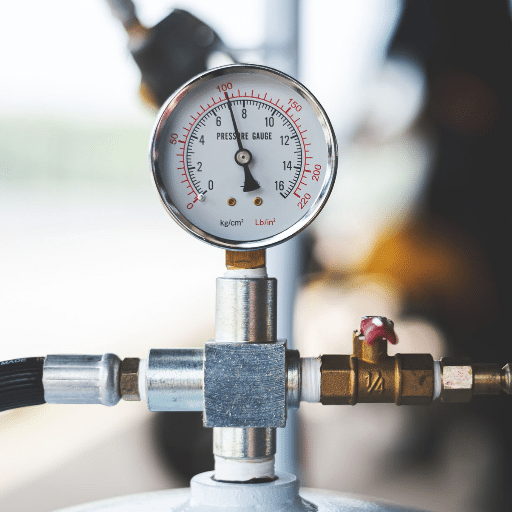
A pressure drop in compressors can also be observed by checking if the pressure in the lines declines compared to the compressor’s discharge. This often happens because of causes like pumps that are plugged pumps, oversized pipe configurations, or system leakage. For instance, first check to see if the filters are clogged and that all the components, like the hoses and the valves, are intact and comfortable and not leaking at all. Be sure to check the pressure at various places in the system to locate a pressure loss. Also, make sure that the piping network is sufficient for the volume in use pipes as undersized pipes lead to excessive pressure losses. Continuously monitoring the system and doing the necessary maintenance in a timely manner will help solve pressure drop problems properly.
Tools and Techniques for Measuring Pressure Variations
A precise measurement of any changes in pressure necessitates the application of accurate equipment for that specific purpose. Primary tools include:
- Manometers — Furnished with liquid columns used to measure the pressure drop between systems for fundamental measurements.
- Pressure Gauges — Can be used to measure pressure directly and can be scaled either analog or digital with the required ranges and sensitivities for unique applications.
- Digital Pressure Sensors — For complex and changing systems, these offer a means of determining measurements with high precision and are devoid of delay in their functions, while, in most cases, being accompanied by elements for data recording, thus enabling a study of tendencies of changes in time.
Various methods of measuring pressure can be used, depending on the configuration of the system and the conditions in which it will operate. Static pressure measurement is implemented when the fluid is not moving, thereby achieving the most precise initial readings. Alternatively, dynamic pressure drop is taken when the fluid is in motion and has found usage in numerous areas such as HVAC air conditioning systems and hydraulic systems, among others. The placement of pressure sensors plays a significant role in determining the precision of reading, and hence, factors such as the type of fluid, temperature range, the extent of pressure, etc., are critical in the proper positioning. It is also important to know that calibration is very important and such an instrument should be calibrated from time to time with the measuring standard, as the technical requirements always stipulate.
Identifying Specific Pressure Loss Points
Pressure loss points are assessed by analyzing the flow path in the system and determining where the resistance is added. That is most often in places where the change in the pipe diameter is abrupt, through sharp bends or elbows, one or more fittings, the valves, or ill-maintained pieces of equipment that generate turbulence or restrict the flow. Moreover, pressure losses can also be significant in cases with long lengths of pipes or even rough surfaces running along the inner surfaces of the pipes. To precisely locate these points, engineers usually carry out:
- CFD (Computational Fluid Dynamics) analyses
- Installation of pressure sensors in specific sections of the system
- Calculations using appropriate formulas, such as the Darcy-Weisbach formula
These types of loss areas are solved by improving the design of the system to eliminate any losses in windage airflow and the particular components (materials, components, alteration of flow characteristics) causing or contributing to such a difference, or minimizing it. Since the systems might suffer from wear, deposits, or blockages, their regular maintenance is mandatory to prevent any excessive or undesirable pressure drop.
Role of Regular System Audits and Performance Monitoring
Scheduled evaluation of the system components and processes, and monitoring performance, helps ensure the effectiveness and performance of the fluid systems remain high. An audit process is carried out to evaluate the performance of the studied area and to indicate any performance deficiencies that may include leakage or a pressure drop, among others. Monitoring performance essentially uses a number of active measurements, such as flow regulations and thermal measurements, to enable the control of the system during normal and variable operations. These practices enable effective problem checking through early identification, control, and rectification, saving energy, reducing downtime, and increasing the wear and tear aspects of the system components. As well, data analysis over a period of time is done along with appropriate maintenance hypotheses to ensure that the equipment is operating within control limits to avoid failure.
Preventive Measures to Avoid Future Pressure Drop Issues

To prevent future episodes of pressure drop, it is important to construct and adopt a maintenance program that includes routine checks of the pipelines, valves, and other components of the system for indicative problems of erosion, corrosion, or clogging. Maintaining a routine cleaning schedule will prevent the formation of large amounts of trash or contaminants that may cause fluid flow restriction. Also, it should be designed and customized the configuration of the system elements to meet the level of performance required without overworking the system. The use of sophisticated monitoring equipment, such as pressure and flow sensors, enables prognosis on the occurrence of anomalies, thus facilitating correction beforehand. Lastly, in order to maintain performance and lessen the chances for repeated occurrences, appropriate training should be provided to employees concerning efficient system use and how to do preventive maintenance.
Comprehensive System Design Planning During Initial Installation
While this stage focuses on the initial installation, it’s very important to come up with a deep and proper system design. This strategic move harnesses certain design components within the evaluations of other key functional units, mainly comprised of pressure drop, internal impact surfaces, and production goals and targets. Any engineering project starts with analyzing a site to find any issues, such as a lack of space, adverse weather conditions, or even local regulatory issues. These systems are designed and built in accordance with the best standards and practices, for example, adhering to ASHRAE or washing tester levels of safety.
At the same time, anticipation of how needs will evolve over time ensures that suitable features are incorporated in order to provide for expansion changes or adjustments in operation. Key approaches include:
- Pre-implementation simulation and 3D modeling tools in the prediction of system performance, revealing any inefficiency, as well as rationalizing layouts for optimal operation
- Working with experienced engineers and contractors who inform the designers of the pain points of the design vis-à-vis actual construction
- Lowering risks and improving systems to gain efficiency throughout the whole system’s lifecycle
Routine Inspections and Maintenance Schedules
Consistent inspections and upkeep programs are imperative to guarantee the long-term functioning and efficiency of any system. Following a predetermined timetable, any deviations can be recorded at an early stage, which means that costly disruptions in operational activities can be avoided and serious breakdowns prevented. Special attention should be paid to the documentation of inspection procedures, employing monitoring for performance efficiency, and making all personnel in the field capable of anticipating maintenance activities. Such an organized effort not only prolongs the useful life of the system but also aids in maintaining high safety and compliance standards.
Incorporating Pressure Monitoring Devices into Operating Systems
Within the operating systems, pressure monitoring devices operate for critical reliability and improvement of systems. These devices perform a function of measuring the pressure at all times, in real-time, in a way that ensures systems work within the approved and safe limits. The extreme complication of such devices, due to the accuracy of data, helps in early detection of abnormal changes, thus greatly reducing the chances of mechanical equipment breaking down and enhancing the system’s capability.
| Feature / Capability | Description & Benefit |
|---|---|
| Real-Time Monitoring | Ensures systems work within approved and safe limits at all times; enables early detection of abnormal changes |
| IoT & SCADA Integration | Communicates perfectly well with control programs known as SCADA; automates diagnosis of faults from afar and enables corrective actions before any disturbance takes place |
| Pressure Trend Recording | Supports compliance with existing regulations in manufacturing, chemical, and process industries |
| Alarm Configuration | Configures alarms within allowable limits and executes periodic calibration, especially where accuracy is critical; guarantees performance meets technical and safety operational requirements |
When deploying these devices, particular care should be taken to look for components that match the existing infrastructure, adapt to the driving forces, configure alarms with the allowable limits, and execute periodic calibration, especially if accuracy is critical. With such practices in place, there is the guarantee of the performance of the system meeting its technical and safety operational requirements at its best pressure drop levels.
Reference Sources
Subsea Compact Gas Compression with High-Speed VSDs
Scaled-Down Test Bench for Centrifugal Compressor Performance
Avoiding Compressor Surge During Emergency Shutdown
Frequently Asked Questions (FAQs)
Typically Reduction of Temperature or Thermal Elongation and, hemodynamics pressure drop, and rheology– How are they related?
The temperature influences the viscosity of fluids, their density, and, consequently, their flow properties: most liquids flow more easily upon heating, which means reduced frictional pressure drop; gases alter their density depending on the temperature, and hence the compressible flow calculations become more complex. When designing or analyzing a hydraulic system that involves differential pressure, make sure to include the fluid’s and material’s thermal properties, use friction and Reynolds number fitted with temperature-dependent viscosity, and consider thermal causes influencing mass flow meters and measuring equipment work.
What is the level of the pressure drop that is permissible under conventional system application?
The maximum allowable pressure drop will change according to the use case, equipment, and manufacturer. For example, pipes used in process control systems or in air conditioning systems have limitations for pressure drop for any given system, so that the fluids are capable of flowing adequately and the pumps do not get overloaded. This can be done by adding all friction coefficients and pressure drop components of the considered system, and checking the possibility of the installed pump to overcome this, or how much is left from the system pressure to the head of the installed pump. There are many who prefer to limit pressure drops for unit length as well as the total psig for a particular loop, which is always preferable to the applicable standard or equipment of this application.
Can you please explain how the pressure drop increases when the flow rate is doubled and to what extent?
Within turbulent flow, the frictional pressure drop scale is expected to scale with the velocity; that is, if the rate of flow is doubled (doubled volumetric rate) as the velocity is doubled, flow losses may be almost fourfold or more. In laminar flow, the relation is linear (i.e., directly proportional to the flowrate). That is why, as a rule of thumb, it is always said that pressure drop is proportional to the flow squared, and this may be the case in many real-life systems charged to high Reynolds numbers. Employ accurate correlations when solving this using such correlations and this frictional factor, which is important, for completeness, as well as remembering that elbows, valves, and other accessories also contribute to pressure drop using K factors that are facets of such systems and on velocity to the power of two as expected in the turbulent flow regions.
To what extent should I design or choose diameters of pipes and components to prevent pressure drop?
Before you start choosing pipes and fittings to minimize the pressure drop, find out the flow rate needed and the pressure drop allowed in the system. You will have to select tubing of a larger diameter, smooth-walled, and try to avoid having turns or obstacles to decrease the velocity and thus friction, and also fittings and valves that are not curve styled, and low-loss should be used. Find out whether mass flow meters and low differential pressure sensors should be used along with the components, and grade the equivalent lengths or K-factors of the components as specified by the suppliers. Keep in mind that in some situations, reducing pressure losses is not affordable since the price becomes too high or the space required for it is too much.