
How Much Does It Cost to Run a Screw Air Compressor?
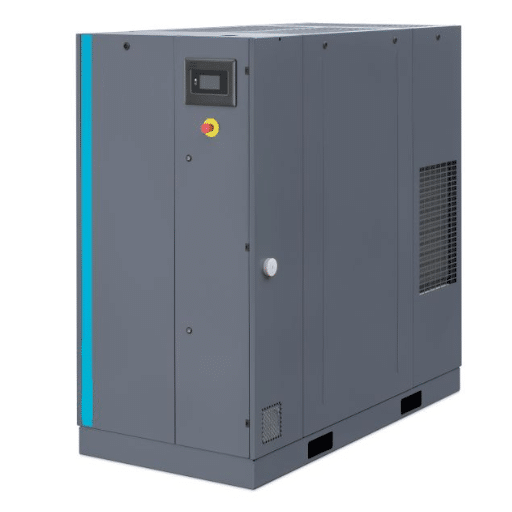
The use of screw air compressors is often a topic of debate, but their efficient use depends on the understanding of the costs involved. These costs relate to the amount of power consumed, the frequency of maintenance, the potential loss of operations when the equipment is dysfunctional, and the life expectancy of the equipment in question. The present article goes into these cost-drivers of running a screw-type air compressor and arms you with information that you can use to improve the running of the compressor. If you are in the process of making a decision regarding a replacement or upgrading of a system, or wish to ensure the optimum utilization of the current facility, this liberating guide has been designed to make a clear position on every available solution. Bear with us as they are listed, and we analyze cost-saving techniques that do not affect production quality.
Introduction to Compressed Air Costs

Air is indispensable in a lot of manufacturing work, and still, it is quite costly too. The main expense comes from a number of factors, such as waste of energy, operational expenses, and breakdown of machinery. The above said is about 70-80% of the expenses of primary activities. Hence, production efficiency has to be activated. Continue is necessary to ensure that the system is dependable and eliminate cases that are expensive when deranges, otherwise there will be wear and replacement of the system with a new one. Without using any of the above measures, the compressor operating cost will not be lessened.
Key Cost Fact
70–80%
of total compressed air expenses come from energy consumption, operational costs, and machinery breakdowns
Pain Points in Energy Expenses
Many key issues must be taken into account in order to effectively lower energy expenses when dealing with most organizations. One of the main problems facing the situation is that old or less efficient equipment increases compressor operating cost. Replacing infrastructure with energy-optimizing concepts is the best way to solve this matter. Another difficult issue that many people face concerns uncontrolled peak charges, which cause an increase in the overall expenditure on energy services. Such mechanisms are easily resolved by using demand control techniques like load means shifting or power accumulators. Also, the absence of real-time energy tracking and monitoring equipment makes it impossible to determine areas of wastage or the pattern of use. Integration of advanced energy management systems provides actionable information that is focused on usage control and eliminating waste. All these aspects played appropriately and comprehensively would significantly enhance cost control and system operations.
Importance of Understanding Operating Costs
Controlling operating expenses is very important if you want to manage any business or any other system well in a sustainable manner. Operating costs refer to the expenses incurred only during the regular business activity and would include raw materials and components as direct costs and wastage and breakdown as indirect costs. Such information about the costs helps the entrepreneur in finding out the causes for costs, avoiding the factors that cause costs to increase, and applying measures to bring down the costs of running the operation without reducing its effectiveness.
Using up-to-date monitoring and energy management systems enables organisations to retrieve insights into the current usage patterns and allocation of resources. This goes a long way in the reduction of wastage and aids in making financial plans aimed at the future. How much the business costs to run is also very important in drawing strategies that will allow it to be more competitive and enhance its performance and resource appropriation. The concept of managing cost elements combined with the aspect of post analysis allows for addressing the phrase used adaptive cost of changing needs and threats.
Overview of the Article Structure
This paper gives highlights concerning the management of costs and efficiency of operations, as guided by best practices and credible sources. The sections are itemized into the following key parts:
An Introduction to Cost Management
Looks at some of the basic cost management concepts and explains the costs in terms of fixed, variable, and indirect. Emphasizes the financial implications and the strategic value associated with comprehensively correct cost allocation.
Looking at the Strategies for Enhancing Efficiency
Focusing on evidence from expert sources admonishes on how best to put strategies in place for the improvement of operational efficiency. The subjects in question are resource usage and its improvement, lean thinking, and the use of information technology as a case of avoiding overlaps.
Case Studies and Social Baseline Drawn in the Industries
Provides illustrations of the effective application of cost control mechanisms from the best practice companies. Emphasizes insights gained and numerical results.
Functional and Instrumental Innovations in Cost Studies
Looks at current instruments such as ERP solutions and complex analytic solutions that aid in the process of collecting accurate as well as budgetary plans.
Workable Advice and Perspectives
Presents the main results of the work framed with relevant issues and provides guidance that is specific to the Compact Compressors in Various Companies. Furthermore, the subsequent part of this material has the purpose of teaching readers how to manage costs effectively in a business where the support cost compressors are owned.
Data from reliable sources and expert opinions contribute to each part, bringing out succinct and precise information. Where the structure of this work comes in handy, especially when answering questions related to cost management, operational efficiency, and effective strategies to support sustainable momentum.
Determining the Cost of Compressed Air
In determining the compressor operating cost in a given business, energy consumption, efficiency of equipment, and maintenance cost factors all come into play. To start with, the consumption patterns, the power input of the air compressor in kW is determined and multiplied by the duration and unit electricity cost to get the power consumption. Include systems efficiency in the calculation, because excessive leaks, wrong pressures, and very old equipment all contribute to high energy usage and costs.
In addition, the cost of upkeep cannot be underestimated. The costs associated with periodic maintenance, emergency repairs, and components/lubrication or filtering replacement need to be considered. Fixed costs pertaining to equipment acquisition, together with variable costs entailing energy, repair, and maintenance, should be part of the aggregate. Allowing for inefficiencies and assuring the operation of the system so that it takes the least possible power, organizations are able to drop the production cost of compressed air substantially.
Key Factors Influencing Compressor Costs
While cost computations of air compressors are taken into consideration, it is important to note that initial purchase costs are not the only factors that should be considered. In many instances, the initial cost of the compressor is a small part of the total cost of operating the machine. A compressor operating cost involves predominantly energy, which makes up almost 70-80% of the costs and consequently, drives the quest for energy efficiency. Among the differences that may arise between one compressor and another, such as the rotary screw, the reciprocating, or the centrifugal, the initial costs and the running expenses differ as well, with some designs being more efficient than others according to the application.
The expense of the maintenance is also very important and mostly affects the concept and figures of the total cost of ownership. This regards always the control outburst of wear and tear of equipment that includes changing filters and seals at definite intervals, etc. Productivity suffers to a large extent when there are purposeful maintenance gaps. By adopting predictive maintenance technologies and surveillance systems, overheads can be avoided because problems shall be detected and solved before they occur.
In conclusion, other methods of minimizing cost are through appropriate systems design and controls. The cost minimization principles require that adequate compressors to supply the demands be installed, leaks minimized, and an efficient air distribution system implemented. Oversized units or poor air system design and layout increase energy consumption and costs, which are wasteful. Resolving all of these issues, maintenance of the compressor cannot be made properly, as well as the problem of the high compressor operating cost rise.
Calculating Energy Consumption
The calculation of the quantity or cost of energy used by any piece of equipment is a skill that requires an appreciation for detail when it comes to appliances and systems. Establish the wattage of devices, most often in kilowatts (kW), and identify the time period in this context, for which the device was in operation. To calculate energy consumption, one must use the following equation, which is well known:
Energy Calculation Formula
Energy Consumption (kWh) = Power Rating (kW) × Operating Hours
If the site uses many devices, divide the energy use of each piece of equipment and sum up. There is also the inclusion of load variations, together with standby or lesser use of the equipment, if any of these exist. More sophisticated techniques make use of energy management systems (EMS), which track consumption in real time and give the compressor operating cost breakdown, among other analytics.
Consideration and similar analysis of contextual elements such as seasonality, periods of high demand, and machine efficiencies is equally vital. With the help of data analytics tools that can monitor the patterns of demand for previous periods, based on this, some measures can be taken to optimize the consumption and therefore minimize the waste as well as the total cost of energy. This allows organizations to embrace a step-by-step method that identifies which areas fall short in efficiency as well as which improvements are necessary.
Understanding Total Cost of Ownership (TCO)
When we talk about the Total Cost of Ownership (TCO), the concept focuses on providing a complete evaluation of all incurred costs when purchasing, using, and maintaining equipment until the end of its service. Concerning compressed air systems, the ‘TCO’ refers to the initial and installation expenses as well as the operational cost in the form of energy consumption, servicing, and later repairing or replacing the equipment. The energy component by itself, on the other hand, accounts for a larger part of the trolley case itself, amounting to 70%-90% of the compressor operating cost during its entire utilization. However, a system designed properly, regularly checked, and with the latest energy-saving technology in place will almost eliminate the cost of
In order to facilitate the improvement of the TCO figure, firms should make a priority of energy efficiency of the equipment used, reduction in system leaks, and installation of effective performance monitoring systems aimed at detecting and minimizing inefficiencies. Advancements should also incorporate predictive maintenance tactics, as this could deter any downtime and aid in promoting the durability of essential parts. In this respect, companies enhance cost-effectiveness by concurrently advancing the environmental impact of their activities in a way that fosters instances of long-term value creation.
| TCO Component | What It Includes | Cost Share |
|---|---|---|
| Energy Consumption | Power draw (kW), operating hours, utility rate | 70–90% of TCO |
| Initial Purchase & Installation | Equipment cost, delivery, commissioning, setup | One-time cost |
| Maintenance & Servicing | Filters, seals, lubricants, and scheduled inspections | Recurring variable |
| Repairs & Replacement | Emergency repairs, component replacement, downtime | Unpredictable cost |
Factors Affecting Compressor Operating Efficiency

🌬️
Intake Air Conditions
There is a huge impact of the quality and temperature of intake air on the efficiency of a compressor. Dust, moisture, and such foreign materials shall cause inadequate performance and increase aviator’s wear, whereas an increase in the temperature of the intake air shall imply a decrease in feed efficiency.
⚙️
System Pressure Settings
Operating a compressor at extreme pressures leads to excessive energy usage. This is why it is very important to ensure the system is regulated according to the specific pressure required for each application, in order to save energy costs as well as maintain the equipment well within its boundaries to operate.
🔧
Leakage and System Design
Wasted energy as a result of inefficiency is very much characterized by air leakages in the distribution system. Pressure decrease would also be caused by whirling systems, which are properly oriented in piping and compressor fittings, or very small equipment, all resulting in energy consumption increases.
🛠️
Maintenance Practices
Regular upkeep is important as it keeps the machine performing well. This involves cleaning air filters and the lubrication system, as well as changing parts that have worn out. Failing to do maintenance may lead to blocked filters, exposing the system to overheating and damage.
📊
Load Differences
Drastic changes in the need for air made compressors cycle too much beyond their limit, leading to inefficiencies. It is possible to improve load management by introducing VSDs/variable speed drives or increasing the storage capacity of the system.
♻️
Energy Recuperation Systems
In regard to energy efficiency as a whole, the utilization of excess energy recuperated from compressions is efficient. This heat can be used later on for space heating and other activities, mitigating the consumed energy.
In doing so, compressors’ operating efficiency may also be focused on. Optimization of energy consumption and compressor operating cost, as well as lengthening the service life of the equipment, are issues that need attention.
Impact of Leaks on Operating Costs
30%
System Output Lost
Despite the fact that compressed air system operating costs are already high, air leaks further raise the operating costs by making the system inefficient and therefore consuming more power. Research shows that up to 30% of the system output is lost due to leaks, thus draining energy and forcing higher utility bills. Illustratively, a spring leak, size 1/8 of an inch, at 100 psi would lead to an electricity wastage of over $1,200 within a year. Apart from the impact on the budget, the leakage will cumulate inefficiencies as compressors will operate more, leading to faster wear and tear on the machinery, thus reducing its service life, and involving a significant amount in maintenance. In order to prevent such losses and sustain the economic system, some of the essential methods involve leak audits on a regular basis, the use of ultrasonic detection equipment, and establishing a strong maintenance policy.
Optimal Pressure Settings and Their Costs
To answer the question posed above, one has to measure the best setting for each operating pressure of the compressed air system so as to maintain many aspects that are positively efficient and to reduce operational expenditure. If a compressor operates at pressures that are higher than the required level, then it results to increase in energy consumption because every additional 2 psi beyond the requirement entails about 1% energy consumption. On the contrary, very low pressure levels can lead to poor performance in the equipment. To get the best pressure, the whole process of the system has to be audited, and all the equipment needs to be examined to determine how it is used.
⚡ Key Insight: Every additional 2 PSI of pressure beyond what is required results in approximately 1% more energy consumption. Even small pressure reductions can lead to significant annual savings.
Air leaks consume even more electricity due to the high leakage occurring at high pressure, as air has to be pressurized more before expansion. The excessive pressure inherent in the system can be kept under control without affecting the performance of the system through pressure profiling, installation of pressure regulating valves, and pressure control. More effective demand side controls like step-less variable speed drives (VSDs) minimize the variations in pressure and demand as well, leading to energy savings. Such solutions allow to effectively cut down the energy consumption of the system along with the wear and tear so effectively that the practice becomes economical and sustainable.
Maintenance and Its Effect on Efficiency
To keep the optimal system efficiency and operating period as consistent as possible, regular preventive maintenance is obligatory. The major steps involve checking and changing the worn-out parts, clearing the filters, and lubricating the internal parts that move frequently, among others. Regular machine care can avert machine breakdowns or at least facilitate the steady increase of the compressor operating cost, from an immediate, devastating breakdown. Additionally, consumption of energy is cut down in systems that are in good condition since they are used nearer to the efficiency to which they were designed. On the contrary, without maintenance, the efficiency and profitability in practice decline, the energy use increases, breakdown increases, and equipment ages quickly without the introduction of maintenance. Performance monitoring shall be automated, support maintenance management, and even the system effectiveness shall be improved by preventive maintenance schedules in development.
Choosing the Right Air Compressor
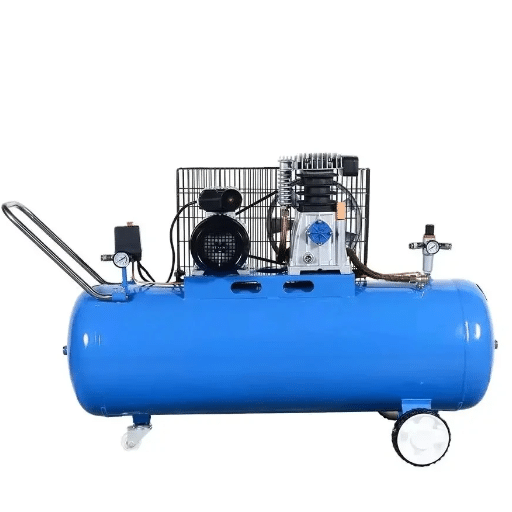
Air compressors come in different sizes, and choosing one should be matched with the particular requirements and applications. First things first: find out the PSI and the CFM needed to run the tools or the equipment. Remember to take the duty cycle into account, as this will help assess whether the compressor is designed for occasional use or for operation all day long. Another factor is in terms of the energy source; whether electric or fuel-powered, they should be available in the customers’ conditions.
Consider the air compressor’s size and portability- these are very crucial, especially when workspace limitations and mobility are an issue. It is also noteworthy to consider noise level, maintenance, and energy efficiency requirements before purchasing any equipment. In the end, everyone’s expectations are different regarding the ownership since it is proportional to both initial cost and cost of operations, for example, compressor operating cost and maintenance cost, to know what needs to be spent for how long.
Types of Compressors and Their Costs
Compressed Air System Ratings
The rating of compressed air systems depends on three main factors determining how well they perform and how suitable they are for specific applications:
PSI
Pressure
This refers to the measurement of the pressure or force that the compressed air exerts. Most industrial systems work with pressures between 90 and 150 PSI, but other specific equipment might be designed to handle forces as high as 200 PSI.
CFM
Air Flow
This refers to the amount of air that a compressor can provide at a given pressure, expressed in cubic feet per minute. The higher the CFM rating, the better, especially in activities that require continuous air, e.g., spray painting or wood painting, and chiseling.
HP
Horsepower
This refers to the capacity of the motor to power the unit and air compressor, and generate pressure. The power can range from as low as 1–5 HP in small applications to more than 100 HP in industrial systems.
It is essential to look at each of the three ratings together because it will enhance the functionality of the compressed air system. The acts of overrating, or what happens in most cases, a low rating, which is referred to as a moderate rating, may result in energy wastage, and the system’s performance can be affected.
Cost Comparison: Screw vs. Other Compressor Types
Screw compressors are quite well known as very efficient and reliable pieces of machinery, especially when it has to do with applications that require the machines to be in operation on a non-stop basis. Meanwhile, the compressor’s operating cost is not the same as that of huffing compressors or dynamic compressors. In terms of initial capital requirements, reciprocating compressors are cheaper due to reasons having to do with complexity, wear, and tear. A typical scenario would be in the use of the small reciprocating compressors, which tend to have low initial capital costs, prompting the use of such compressors in areas of lower operation or sporadic demand.
Operating costs of spiral compressors in this case, however, are reduced since electricity is less wasted, and a constant pressure of the air can more easily be achieved. Compressed air systems with reciprocating compressors may be cheaper in price; however may often face a higher compressor operating cost as they work on a system with several wearing out mobile parts. Centrifugal compressors are typically used in larger industrial setups and are aimed at high-capacity applications, and as such, could be more costly than screw compressors in terms of the initial prices.
When analyzing a traditional compressor operating cost for TCO comparisons, screw compressors seem to be the most frequently advantageous for medium to heavy applications. They are considerably more expensive initially, but their lower power consumption, minimal maintenance requirements, and extended life often turn out to be more economical than piston compressors. If very high airflow for some soundproof enclosures employing centrifugal compressors becomes critical over the high cost options, the investment in centrifugal compressors could be better justified. Ideally, a decision on which compressor is needed within a given process should take into account the specific needs of that process and the costs that they are willing to bear.
| Factor | Reciprocating | Rotary Screw | Centrifugal |
|---|---|---|---|
| Initial Cost | Low ($300–$5,000+) | Medium–High ($2K–$50K) | Very High ($50K+) |
| Operating Cost | Higher — more moving parts | Lower — energy efficient | Varies — justified for high-volume |
| Maintenance | Frequent; many wear parts | Minimal; designed for continuous use | Specialized; less frequent |
| Best Use Case | Intermittent / light-duty | Medium–heavy continuous duty | Very high airflow / industrial |
| TCO Advantage | Short-term low-volume | Best for medium–heavy TCO | Justified for extremely high-flow |
Strategies to Minimize Operating Costs

-
1
The VFD Compressors Provide an Even Better Solution
In order to address the excess energy used in the harsh climate, one can upgrade to state-of-the-art systems, and in this case, investing in compressors fitted with VFD’s would be an ideal solution.
-
2
Perform Upkeep and Servicing
Plan an organized maintenance program aimed at normal wear and tear prevention, ease of operation of the equipment, preventing leakages, and containing the need for repairs and energy replacement.
-
3
Improve System Architecture
Study the existing systems using various modeling techniques with the intention of eliminating underutilized or overstressed elements, including eliminating excessive pressure drops and even unutilized capacity-sized equipment, which increases operational costs.
-
4
Supervise and Assess Productivity
Implementing software tools that enable tracking and evaluation of system performance, searching and cutting losses through necessary modifications of system settings are recommended.
-
5
Educate and Instruct Operations Personnel
Train employees to always ensure that equipment is operated to increase the lifespan of the equipment, compressor operating cost, and upgrade power consumption trends.
Using Properly Sized Compressors for Specific Applications
One should understand that different applications require specially engineered compressors that will attain higher efficiency and more costly ways to operate such a compressor. I firmly believe sizing compressors in systems should take into account the flow, pressure, and duty cycle of the system in question. Provided that the capacity of a compressor matches the requirements of the operation, excess energy is saved, equipment is not worn out quickly, and unnecessary clogs do not occur, which would otherwise hinder the operation. Consequently, it improves efficiency and promotes cost effectiveness – drastically reducing the compressor operating cost – and increasing system durability.
Investing in Advanced Control Systems and Energy-Efficient Models
High compressor performance and energy-saving capabilities can be achieved by investing in cutting-edge control systems. Such control systems employ techniques that have also been developed, like VSDs, sequencers, and time-sensitive computer simulations, to use loads appropriately as demand varies. Energy consumption is reduced as overproducing or staying complacent is minimized through appropriate air and pressure variations. In addition, the energy-efficient compressors offered today come with better motors, rotors, and heat recoverers that help reduce the amount of energy consumed and the compressor operating cost. Likewise, the integration of high technology for efficient operational control also addresses the issue of carbon footprint by reducing emissions and providing economic benefits for the future.
Importance of Regular System Audits and Leak Detection
Regular controlling mechanisms and early detection of leaks are crucial to maintaining a healthy and functional operation, and also provide cost-saving benefits in such a manner in industries and commercial enterprises. System audit is a comprehensive assessment of all equipment’s efficiency, energy consumption, and structural efficiency, which aids in the identification of any inefficiencies, such as deteriorated parts, overloaded energy, etc. Such audits serve as a double-edged sword, both enhancing the existing system and eliminating excessive use of wear-generating equipment and its wear due to damaging effects before they result in failure of the machine.
Compressor systems are, however, more energy-consuming than expected, and this is partially due to the fact that the most significant part of the compressor operating cost is paying for leaks. Leakages have to be prevented because they could be costly, causing excessive wastage and inefficiencies in systems that use compressed air or other gases and liquids. This is why leak detection and repairs are crucial. Routine checks, as well as competent and adept leak detection methods aimed at combating the system’s inefficiencies, are in place, and this results in a reduction of costs as well as energy consumption.
✅ System Audit & Leak Detection Checklist
- ✔ Perform a comprehensive energy consumption audit
- ✔ Use ultrasonic detection equipment for leak identification
- ✔ Inspect all piping joints, fittings, and connections
- ✔ Verify system pressure settings match operational needs
- ✔ Evaluate deteriorated or worn-out equipment parts
- ✔ Schedule routine maintenance and document findings
- ✔ Review air quality — moisture, dust, particulates
- ✔ Establish a strong maintenance policy for leak repair
⚡
Controlling Costs Starts with Understanding Them
From right-sizing your equipment and performing regular audits to investing in VFD technology and energy monitoring systems, every improvement compounds over time. Organizations that take a data-driven approach to compressor management consistently achieve lower operating costs, longer equipment life, and a more sustainable operation.
Reference Sources
Energy Star – Determine the Cost of Compressed Air for Your Plant
A systems approach to monitoring and calculating the cost of compressed air in industrial plants.
ELGi – Identify the Real-Life Cycle Costs of Your Air Compressor
This source breaks down the main elements of compressor lifecycle costs, including power, maintenance, and other factors.
Frequently Asked Questions (FAQs)
Do air leaks increase the energy consumption of a compressor?
Among the unexpected sources of compressor operating cost is usually air leakage from the system. Compressed air will be lost via leaks, forcing the compressor to operate for longer periods under heavier loads, which raises electricity consumption and operating cost. Therefore, conducting frequent system audits, appropriate usage of leak-detecting devices, and fixing the leaks within the shortest time possible, can help to reduce energy consumed and significantly reduce the effective cost of the compressor over its life span, as shown in the graph.
You can also find out more about the cost-effective compressors in terms of life cycle: oil-injected or oil-free?
The factors to consider when evaluating whether to buy either oil-injected or oil-free compressors include: the cost of acquiring the equipment, the cost of servicing the equipment, the need for air treatment, and power consumption. Most of the time, oil-free machines cost more than regular compressors, but these don’t contaminate the air, and the air treatment costs are also less. On the other hand, oil-injected applications may merit a cheaper capital expenditure and energy consumption but will need oil separators and additional air purification elements. When the costs throughout the life of the appliance are considered, as well as how much it costs to use it, there is a better understanding of its pricing and the overall ownership expenditure.
What is the method used to work out the costs to obtain compressed air per cfm or kilowatt when employing my air tools?
Determine the cost of electricity used to compress air by multiplying the local cost per kilowatt-hour by the average kW consumption of the compressor on a typical load. Instead of using the flow measurement like lbs/min, switch to the cfm delivered rate of the air and express the cost per cfm as follows: (cost of electricity per hour) / (cfm delivered). Take into account maintenance costs, volume of the tank, air conditioning costs, etc., to portray a truer cost of operation and do a cost-benefit analysis of other means of achieving similar results, such as a variable speed drive or a different kW rating machine.
Is there a difference in energy consumption and costs of operation when using a rotary screw compressor and a reciprocating or a piston compressor?
Absolutely. Oil-injected and non-oil-injected rotary screws continue to run smoothly and consume low electricity per unit work, unlike old-fashioned piston compressors in most factories that need a number of cylinders to compress air. In other words, due to the piston compressors’ downtime, reciprocating compressors are the most cost effective options. When choosing reciprocating or screw compressors, consider energy efficiency, cost of maintenance, and cost over the lifespan of the compressor.
In what cases does the use of a variable speed drive (VSD) help to cut down on energy use and costs for electricity consumption?
Compressors with variable speed drives are equipped with a technology that adjusts the speed of the motor based on air demands, thereby not requiring any useless unloading and idling. In effect, it means electricity consumption is sliced, and the system experiences more stable working pressure, and most importantly, more electricity is saved in systems with variable use. Though the initial cost of purchasing an air compressor with VSD internal makes it more expensive than one without, the cost per kilowatt of running the VSD is usually lower, making the compressor pay for itself within a short period, and allows for reduced compressor operating cost.
What else, besides the initial costs of the industrial air compressor, should one take into account while purchasing?
Besides looking at the commencement acquisition cost, account for the cost of deployment, unit, and the expected cost of electric power, care, breathing, standing times, cost per unit of usage, and the cost of deployment. Ascertain if a compressor for sensitive areas of use will be appropriate, considering that it may not be oil-free and enhances efficiency by being oil-injected, will work for continuous or intermittent operation, must deliver how many cfm and at what pressure, and whether it, for instance, allows variable speed to avoid high energy costs in the future.
What are some of the ways that proper maintenance and surveillance lower the cost of wireless compressed air systems and their compressor operating cost overheads?
Routine unit maintenance in terms of filter changes, oil service, leak detection, and performance measures eradicates any efficiency losses, eliminates most unscheduled breakdowns, and maintains power costs at lower rates. Tools that monitor cfm consumption, consumed horsepower, and pressure provide a means for energy efficiency improvements through optimization of set points and installation justifications whereby one replaces the old with newer replacement equipment, such as more efficient compressors from the Atlas Copco brand. Equipment services are more economical when done on repair than on purchase; besides, they extend the equipment’s life span.