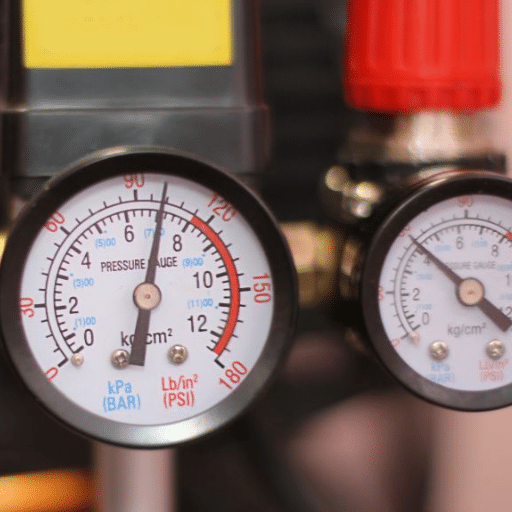
The connection between low screw air compressor pressure levels and industrial operations results in expensive operational interruptions and production losses through different industrial sectors. The system should be repaired as soon as possible because pressure problems need immediate solution since these systems operate as essential elements for maintaining business functions. The system compressor dual water pressure and flow relationship creates one of the most common reasons that lead to low pressure problems which people tend to ignore. The system will experience performance deterioration and equipment breakdown risks when water flow patterns do not match proper operational standards.
This article presents a detailed analysis of water pressure and flow which establishes a comprehensive system for identifying and solving low-pressure problems. The maintenance engineer and technical manager roles require the two essential concepts because they help you improve your compressor system performance while minimizing expensive operational disruptions.
Identifying Low Pressure Issues
Common Signs of Low Pressure
The compressor system experiences low pressure situations which become visible through multiple distinct indicators that include decreased system efficiency and extended operational times and failure to reach established pressure targets. The system shows two problems through which you can observe air output irregularities or listen to upcoming sounds which include whistling and hissing because the system has developed leaks and restrictions.
⚠️ Warning Signs to Watch For:
►
Sudden pressure drops during peak demand periods
►
Visible signs of damage and wear on filters, valves, and hoses
The enterprise needs to identify these symptoms without delay because it helps to lessen operational problems and equipment failures that could lead to system downtime.
Understanding Compressor Operation
A gas compressor works through mechanical power which creates higher pressure levels and smaller gas volumes from air. The process begins with the intake of ambient air, which is then compressed using methods such as positive displacement or dynamic compression.
Compressor Type
Method
Key Characteristics
Positive Displacement
Reciprocating & Rotary Systems
Uses mechanical systems to decrease internal volume for gas pressurization
Dynamic Compressors
Centrifugal & Axial Systems
Uses velocity and kinetic energy principles to achieve compression
Four Essential Components of a Compressor System:
Inlet Valve: Manages incoming airflow and protects air quality by removing possible contaminants
Compression Chamber: Where pistons, screws, or impellers compress air into smaller space
Cooling System: Eliminates heat produced during compression to prevent system failure
Storage Vessel: Stores pressurized air for application use or sends it directly to applications
Operators need to comprehend all system elements and their operational interactions to achieve effective system operation and secure continuous system functionality.
Initial Troubleshooting Steps
The process of troubleshooting air compressors begins with operators needing to conduct their basic system checks for common issues which will help them find the faults that require repair.
✓ Troubleshooting Checklist
1
Visually Inspecting: Check whether any visible signs of wear, damage, leakage, or loose connections, vibration is detected.
2
The test for the power supply is about ensuring whether the right voltage is supplied or not, and if it is, it should provide the information that the circuit breakers and fuses are working well.
3
Air Filter Inspection: Check for damages with signs of a lot of clogging from fine particles.
4
Oil level monitoring is about ensuring that the oil in the system is in the prescribed (by manufacturer) level. (For those systems running on lubrication system)
5
Check if these settings are according to the working conditions.
6
Pressure Safety Valve Inspection: Look for any clues suggesting malfunction, and consult the operator’s manual to verify the finding.
The methodical execution of these procedures increases the chances that operators will discover essential problems at an early stage to reduce system downtime and stop additional operational problems.
Water Pressure and Flow Considerations
Impact of Water Quality on Pressure
The pressure inside a system depends on water quality because sediment accumulation and mineral scaling and corrosion all affect system performance. Hard water, for example, contains high amounts of calcium and magnesium, which lead to pipe and fitting scale deposits that obstruct water flow while increasing movement resistance.
⚠️ Water Quality Issues:
Sediments or particulate matter cause filter and valve accumulation
Material obstructs flow paths resulting in pressure reduction
Water treatment processes require continuous filtration and softening operations
Maintaining Optimal Water Flow
Achieving optimal water flow demands proper system design together with regular system upkeep and suitable technological solutions.
Regular Inspections
Detect leaks, corrosion, and blockages to maintain uninterrupted flow
Advanced Monitoring
Smart flow meters and pressure sensors enable early detection of irregularities
Efficiency Improvements
Water-efficient fixtures and clean filters improve flow efficiency
The combination of standard maintenance practices with cutting-edge monitoring technology enables efficient management of water flow, which decreases energy use while maintaining dependable operation of the system.
Checking for Blockages and Restrictions
The water system experiences blockages and restrictions, which can be detected through monitoring methods that use pressure changes together with flow rate measurements and detection of abnormal sounds.
Detection Method
Tools Required
Purpose
Visual Examination
Direct Inspection
Identify visible buildup, corrosion, or debris
Pipe Inspection Cameras
Advanced Diagnostic Equipment
Non-invasive identification of exact problem areas
Ultrasonic Flow Meters
Advanced Diagnostic Equipment
Determine precise flow restrictions
The system needs regular cleaning with water treatment agents to maintain optimal performance because deposits will otherwise build up and create blockages, which need flushing to maintain system efficiency.
Diagnosing Compressor Problems
Compressor Won’t Build Pressure
The compressor failure to build pressure occurs because of common problems which include air leaks and defective intake valves and damaged piston rings.
💡 Diagnostic Tips:
System Assessment: Examine all components including fittings, hoses, and connections for air leakage
Intake Valve Check: A stuck or defective valve will prevent pressure buildup
Piston Ring Inspection: Worn piston rings decrease compression efficiency and need replacement
Regular Maintenance: Check for obstructions and confirm effective lubrication systems
Assessment Process
Assessment of system components needs to follow established industry standards together with systematic methods for determining performance differences.
Check connections and wiring to confirm safe and defect-free power inputs
Step 3: Airflow Verification
Assess filters, ducts, and ventilation points for clean and unobstructed pathways
Process of Detecting Mechanical Failures
Mechanical failures can result from three main factors which include material fatigue and maintenance mistakes and excessive pressure on devices.
Failure Indicator
Detection Method
Technology Used
Abnormal Noise
Vibration Analysis
Sensors & Diagnostic Tools
Excessive Vibration
Vibration Analysis
Sensors & Diagnostic Tools
Thermal Anomalies
Thermal Imaging
Infrared Cameras
Component Wear/Deformation
Visual Inspection
Regular Maintenance Schedules
Predictive Failures
Real-time Data Analysis
Machine Learning Algorithms
The process of detecting issues before they become serious problems requires organizations to conduct regular inspections and follow maintenance schedules while comparing actual performance with predefined standards. The implementation of predictive maintenance technologies which use machine learning algorithms will enhance machine reliability by predicting equipment failures through analysis of operational data and real-time information.
Effective Troubleshooting Techniques
Systematic Approach to Troubleshooting
The systematic troubleshooting method needs an organized framework that enables problem detection and solution development through problem analysis. The system requires first analyzing all existing problems before developers can proceed to create effective solutions.
🔧 Five-Step Troubleshooting Process:
Problem Definition: Clearly define through observation, user reports, or diagnostic tools
Information Collection: Gather system logs and error codes to identify root causes
Solution Testing: Test solutions with highest success probability using least disruptive methods
Advanced Tool Support: Utilize AI-powered diagnostic systems and integrated monitoring solutions
Implementation & Prevention: Implement solutions, test effectiveness, and establish preventative measures
Utilizing Diagnostic Tools
Diagnostic tools use modern technology to help systems through their complete process of problem detection and solution creation. Modern innovations, such as AI-enabled software and cloud-based solutions, provide critical real-time data, predictive analytics, and automated alerts that streamline troubleshooting processes.
🛠️ Best Practices for Tool Utilization:
Leverage existing infrastructure for operational reliability
Implement active monitoring to solve problems proactively
Optimize system performance through continuous data analysis
When to Consult a Professional
The need for professional consultation arises when internal teams lack the required skills to handle system problems and when diagnostic work needs special equipment and expert knowledge.
When Professional Help is Required:
Ongoing failures leading to extended downtime
Security weaknesses requiring expert intervention
Need for advanced techniques using modern technologies
Complex system evaluations beyond internal team capabilities
Refrigeration System Malfunctions – This resource discusses the impact of floating head pressure on compressor operating pressure ratios and related wear and tear. Read more here.
Ingersoll Rand Air Compressor Troubleshooting Guide – A detailed guide covering common issues like low air pressure, insufficient airflow, and overheating. Access the guide here.
Troubleshooting Tips for Your Car’s AC Unit – While focused on automotive AC units, it provides insights into checking compressor fittings, hose manifolds, and pressure switches. Explore the tips here.
Frequently Asked Questions (FAQ)
Q: How does one go about troubleshooting low pressure and what are the first steps recommended if you are a homeowner suspecting low water pressure?
A: The first step to troubleshoot low pressure problems requires the technician to verify whether the issue affects the entire building or only one particular fixture. You can check static pressure at a primary service line using a gauge to display the low pressure in pounds per square inch (psi). The next step requires you to check aerators and faucet openings for any obstructions or sediment that blocks water flow. The procedure requires you to remove the filter when pressure drops either slowly or suddenly. The main faucet test shows normal flow when the system backflow occurs, which happens because the aerator has become blocked or the line is obstructed, not because of pump or main plumbing issues.
Q: What are the problems associated with a compressor not getting built-up pressure despite running?
A: Low pressure may have a wide array of causes for the lack of pressure development by a compressor, which could be a defect suction line or port, worn seals, or the intake valve allowing backflow of air. Test it to determine whether a compressor is generating any psi; if the psi fails to increase during operation, then you may have a worn valve, gasket, or a blockage somewhere in the lines. In such cases, the compressor is almost always a prime candidate for malfunctioning due to worn-out components.
Q: Can you help me tell low water pressure apart from low flow in a single faucet?
A: The most distinguishing trait is that the water flow is greatly reduced downstream on other fixtures; on parallel lines in the house, both hot or cold water or gpm for any multiples of faucets will be low in a low-pressure situation. If low flow occurs on one sink only, remove the aerator to check for debris or mineral deposits that have blocked the passageway, then measure gpm in the suspect faucet and compare some normal gpm to local gpm, so as to determine if the problem is local or systemic.
Q: What are the pressure issues associated with the main line or pump, and how would I go about the diagnosis thereof?
A: The main line or pump might either show problems of consistent low pressure throughout all devices or fluctuate the pressure with flows whenever demand is varying. Check leaks in the suction line and at the pump, look into the priming of the pump, and cross-verify that priming does not draw loose up. Attach a gauge at the primary connection and measure static pressure as well as running pressure; should you find the compressor or pump not building up pressure under load, there is a high likelihood of pump damage, clogged pump, or undersized pump as per domestic gallons per minute. A pump repair or equipment upgrade might bear due consideration.
Q: At what point should I give a plumber a call rather than work myself on a low-pressure issue?
A: You can handle easy fixes such as removal and cleaning of aerators, adjustment of pressure regulators, or fixing leaking faucet cartridges by yourself. If you see whatever else could be going wrong but easily recognized issues don’t solve the problem, and if the service line is the fault or the lot has poor pump suction, you need your hand in major pressure tank issues and compressor problems. You are able to assist a service technician in the installation of gauges, in the testing of types of pressures, and, in the service, components needed to foster debt pressure associated issues.
Q: How do I measure and restore gallons per minute of flow and psi to normal pressure for my home system?
A: Measurement of the flow of water can be carried out by the use of a flow meter or taking the following calculation: put a bucket and calculate water flow from a faucet in gallons per minute (gpm). Measure the pressure using a pressure gauge at your house’s externally mounted hose bib to get psi and static pressure readings. If these readings are below the house’s characteristics, in the sudden, check its in-line filter(s), clean up all faucet aerators, check for and eliminate blockages if the pipe is of the olden days, lastly adjust or replace pressure regulators. If all this fails to revive things back to what should be normal flow and pressure, an appointment should be scheduled for a reputable service technician to diagnose pump, compressor, or main-line failure and to choose whether it is needed to replace any other components.
💡 Key Takeaway
Understanding the relationship between water pressure and flow is essential for maintaining optimal compressor performance. Regular maintenance, systematic troubleshooting, and timely professional intervention can prevent costly downtime and extend equipment lifespan.