
Portable & Tow Behind Compressors: Reliable Power for Remote Mining
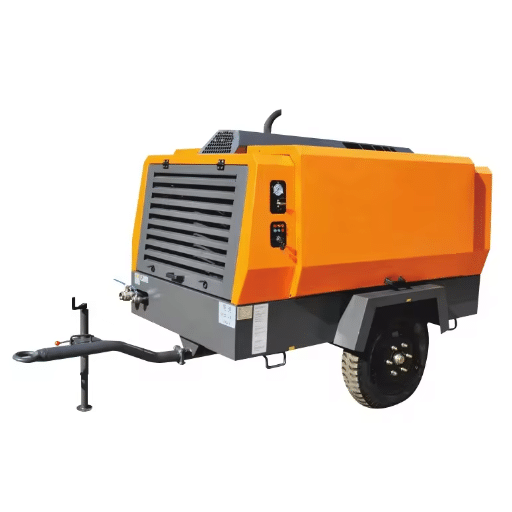
There are specific aspects that all remote and rural areas where mining activities are conducted should have — if they have to continue with operations — among them being the need for effective power reliability and efficiency. In many cases, these come in the form of portable and tow-behind compressors, which facilitate the functioning of key equipment and various processes even when the environment is harsh. The specified compressors are created and manufactured to sustain compressed air power for any application, including and not limited to mining operations, materials transportation, or pneumatic tools. This paper presents effective ways in which portable and tow-behind compressors fulfill the needs of remote mining purposes, their uses and benefits, or in other words, how they enhance the production performance and limit every downtime, along with many other features. Strategies to improve mobility, reliability, or performance utilizing this kind of compressor will be covered in detail.
Introduction to Portable Air Compressors for Mining Applications

A portable air compressor is critical to mining, given that it is highly useful, dependable, and mobile. These compressors provide compressed air for operating different equipment, machines, and even the execution of functional activities in distant or inaccessible mining areas. They are tailored towards extreme weather conditions where other equipment would fail, and still perform as expected. The portable air compressor has several features, which include being fuel efficient, having a robust casing, and being easy to maintain, which makes its use very important in minimizing downtime as well as maximizing output. They provide power and are portable, without which mine workers cannot function effectively.
Overview of Portable and Tow-Behind Air Compressors
There are various portable air compressor technologies that are applicable to mobile air delivery services in industries like construction, mining, and other operational sectors. These units are specifically designed with enhanced mobility but without compromising on performance, even in the most demanding working environments when using them. The most usual aspects constitute heavy-duty make, energy performance, and multiple power capacities, which make them apt for the various pneumatic appliance tools and machinery.
Advancements in recent times have made portable air compressors more efficient and easier to control in terms of pressure and flow regulation, which enables maximum exploitation, especially by the users. Such models that are tow-behind also incorporate very sturdy tires and towing devices for easy movement from one firefighting location to another, even when the ground is rough. However, the compressors are more preferred because they are quite enhanced as they serve both pressure extremes, and most of them are fueled with diesel due to the ability to cut costs in operation.
Transportable and towable compressors are preferred by industries as they help reduce downtime and easily fit into any operational practice. In addition, noise control measures, rust-resistant materials, and advanced control systems make them super strong and, at the same time, usable. All these make portable air compressors and compressors with attached axles useful tools that facilitate achieving production and efficiency in motion-seeking and challenging situations.
Key Features at a Glance
⚡
Fuel Efficiency
Diesel-powered for cost-effective long-run operation
🛠
Robust Casing
Rust-resistant materials built for harsh environments
🕑
Easy Maintenance
Modular parts for quick repair and minimal downtime
🚗
High Mobility
Sturdy tires and towing devices for rough terrain
🔔
Noise Control
Advanced noise reduction for safer work environments
Key Advantages of Remote Mining Operations
In mining processes, there are several significant benefits associated with remote operations, which help in reducing costs, enhancing the process, and improving safety. Key advantages include:
- 1
Improved Worker Safety: When remote-controlled systems are brought in, it helps in the improvement of the safety of workers and cut down the chances of any injuries since there is less human contact with dangerous zones.
- 2
Enhanced Efficiency & Accuracy: Automation of operations and monitoring enhances efficiency and increases the level of accuracy and throughput while reducing the amount of time lost due to breakdown.
- 3
Reduced Operational Costs: Reducing the number of staff on location eliminates the need for accommodation, transport, and workers’ welfare, significantly lowering system operation costs.
- 4
Real-Time Data Monitoring: Remote mining allows real-time monitoring of data, thus enhancing rationality in feeding the operation resources.
- 5
Optimized Resource Exploitation: All these aspects come together to ensure that the exploitation of resources is optimized and that environmentally sustainable practices prevailing in mining are adhered to.
Importance of Reliability and Efficiency in Mining Environments
Reliability and efficiency are essential in operations within the mining sector, enabling safe and durable extraction of resources at lower costs. More reliable machines decrease the amount of non-planned stoppages, which interfere with the workflow, therefore causing financial losses. Systems with high efficiency increase productivity by improving production processes (e.g., drilling, haul, and ore processing), thereby saving energy and other waste-associated costs. Similarly, sophisticated technology that automates equipment and predicts maintenance has also helped to cultivate uniformity and avoid the occurrence of accidents during work. Such measures are emanating from the need to enhance workplace safety and upgrade equipment performance they are in active use. Even if the portable air compressor breaks down and is impossible to fix, a real loss will not occur. It is these two elements that determine the potential success of mining activities, as they are directly related and determinants of the level of profit generated and the resources used.
🔒 Reliability
- Reduces unplanned stoppages
- Minimizes workflow disruptions
- Prevents financial losses from downtime
- Predictive maintenance capabilities
⚡ Efficiency
- Improves drilling & ore processing
- Reduces energy waste
- Automates repetitive equipment tasks
- Directly impacts profitability
How Portable Compressors Enable Power in Remote Locations
Reliable power is of the essence in areas where there is no power infrastructure. The role of portable compressors in these situations is crucial. The units are built for easy movement and rapid setup, which comes in handy during construction, mining, and in case of emergencies. These units are a source of constant compressed air and energy for tools and other equipment. With the modern advances in fuel consumption and in hardness, portable air compressor units allow the least time of machine stoppage and efficient work. Their acceptability and robust development make deployment in resilient and restricted areas a necessity.
Challenges of Remote Mining Sites Lacking Infrastructure
Working in remote mining locations involves many peculiarities, especially in the jurisdiction of planning and implementation, primarily because there is no basic infrastructure. Key challenges include:
| Challenge | Impact | Typical Solution |
|---|---|---|
| Power Supply | Inability to power equipment & communications | Portable / standby generators |
| Transport Facilities | Delays in moving equipment & spare parts | Tow-behind compressor units |
| Water Supply | Shortfall for mining & human needs | Rational resource-use methods |
| Communication Channels | Complex management & emergency response | State-of-the-art communication systems |
The Role of Portable Compressors in Powering Essential Tools and Equipment
A portable air compressor serves a large number of users and industries as a key electric power solution for the operation of certain tools and equipment in the absence of electricity. Compressed air systems render the necessary static negative pressures in pneumatic-driven tools, e.g., drills, hammers, or wrenches that are mostly used in construction, manufacturing, or mining industries. This translates to self-sufficiency in areas with nonexistent electrical power or structural developments since these devices are easy to carry to places that are difficult to access. Many of the current developments in portable compressors focus on energy conservation and the use of the most durable materials, incorporating sophistication in the form of variable speeds and oil-free systems, which minimize the servicing requirements and subzero emissions. Therefore, while its versatile nature makes it possible for its use to be employed in activities such as inflation, cleaning, or powering hydraulic systems, it is also evidence of their multi roles and crucial importance in an industrial setting around the globe.
Case Studies of Successful Deployment in Remote Mines
Case Study 1
Improving Operational Performance — Western Australia
An oil-free compressed air system was used to serve pneumatic equipment and other processes in a mining location in Western Australia, where the main activity was mining, and the area was dry. To enhance performance, the variable speed drives in the system aided energy saving with a 20% cut on electricity consumption usually seen in such a system. The equipment remained operational since it was designed to withstand dusty or hot weather conditions without breaking down.
Case Study 2
Air Solutions for an Arctic Gold Mine
An Arctic gold mine had to deal with the situation of dropping temperatures, which led to a drop in the performance of the equipment that was in use. Through the fusion of efficient use of compressed air systems and adaptive controls, the mining activity was able to go on without disruptions, hence improving production. As a result of the lubrication-free system, there was also a minimum environmental impact, not to mention optimal use of energy, which is quite important in such remote locations where electricity is not readily available.
Case Study 3
Fueling Hydraulic Machines — South African Platinum Mine
In a platinum mine in South Africa, a modular compressed air machine was used to power hydraulic equipment deep underground. The system guaranteed a prolonged air supply in high-pressure settings, important for getting the ore out. Additionally, energy-saving models were employed, which reduced operational costs by 15% overall, demonstrating that adopting modern compressor technology for heavy mining works is not only reliable but also economically viable.
Case Study Results Summary
| Location | Technology Used | Key Outcome | Savings |
|---|---|---|---|
| Western Australia | Oil-free + Variable Speed | Continuous operation in extreme heat | 20% electricity |
| Arctic Gold Mine | Lubrication-free + Adaptive Controls | Uninterrupted production in sub-zero temps | Minimal emissions |
| South Africa Platinum | Modular High-Pressure System | Deep underground ore extraction is enabled | 15% operational cost |
Factors to Consider When Choosing a Tow-Behind Air Compressor

Factors such as the flow rate, pressure limit, and consumption levels must be taken into account when purchasing an air compressor with wheels. Practice will be the keyword here. Given that the efficiency of the compressor depends on the amount of airflow produced, it is important to ensure that there is enough cubic feet per minute (CFM) produced as well as an adequate pressure for the tools in use. Consumption levels affect the cost of compressors and should be considered depending on how often or intensively they will be used. Furthermore, it would also be necessary to consider the transportable air compressor’s work in trying environments and the convenience of handling and maintenance so as to avoid frustrating breakdowns, which can result in extended downtime.
Assessing Airflow Requirements and PSI Needs
An individual needs to understand the right airflow requirements in terms of CFM and labor pressure measurement in terms of PSI that are necessary for the equipment to operate optimally for a long period of time. Follow these steps:
- 1
Determine the instruments you will most probably be using while operating the compressor.
- 2
Clarify the CFM and PSI of each tool by referencing the respective manufacturers’ lists.
- 3
If two or more tools are used simultaneously, increase each figure by a third to half.
- 4
Add up individual CFMs for multiple tools and ensure the compressor has adequate reserve capacity for demand spikes.
- 5
Verify that the maximum pressure of your compressor matches the maximum working pressure of your appliance so neither is overworked.
- 6
Consider any possible pressure decreases associated with long hose runs or complex setups to ensure accurate sizing.
PSI Quick Reference by Application
| Application | PSI Range | Notes |
|---|---|---|
| Car tires | 30–35 PSI | Standard passenger vehicles |
| Motorcycle tires | 30–40 PSI | Varies by tire type |
| Common pneumatic tools | 70–90 PSI | Drills, wrenches, nailers |
| Heavy truck / extreme-duty tires | 150–160 PSI | High-capacity compressor required |
| Balls/air mattresses | Low PSI | Flexible — lower pressure sufficient |
Fuel Type and Efficiency Considerations
There are basic things we should know before buying a portable air compressor, such as how it is fueled and what it means for the compressor’s efficiency.
🔌 Electric
- Preferred for closed environments
- No noise or exhaust emissions
- Requires an available power source
- Lower operating cost where grid exists
⛽ Diesel / Gasoline
- More output capacity
- Easier to transport to remote areas
- Best suited for outdoor operations
- Advanced efficiency systems available
It is also critical to recognize the operational requirements, the frequency of use, and the economics of fuel, predisposing you towards a particular option. Moreover, it is good to adopt current high fuel-efficient models, which promote less fuel usage and minimize pollution. It also calls for proper servicing to enable the compressors to remain within favorable fuel consumption levels over their entire useful life.
Portability and Towing Capabilities
The ability of a compressor to be portable and towable is imperative, especially when a device has to be constantly relocated. The best workbook air compressor is a small and light machine with a carry handle or built-in wheels to enhance mobility. On the other hand, when large-scale tools and power are involved, compressors that come with towing gear, such as a robust hook and strong frame, are best for movement in off-road conditions. Check local towing laws, including maximum weight thresholds and licensing, if applicable, to ascertain that the compressor is compliant. More so, it is advisable to check models that assure stability to avoid toppling while in motion. By focusing on ergonomic, mobile, and regulatory considerations, the compressor shall be able to adapt to changing operational conditions appropriately.
The Impact of Portable Air Compressors on Operational Efficiency

Transportable air compressors allow one to meet compressed air needs anytime, anywhere; thus, they are highly efficient and allow location-wise productivity without time delays. Because they are portable, the workers in their positions reach large or isolated spaces without being limited by permanently fixed systems. Moreover, their extent is controlled without the need for such sophisticated systems, thanks to the power sources already in place within these compressors. This means that the importance of these machines is not limited to one field of activity, such as construction or manufacturing, and does not hinder activity. In the end, the portable air compressors are ideal for a continuous supply of compressed air in an effective manner.
How Portable Models Streamline Operations in Mining
Intermittent improvements in mining processes as a result of the application of portable air compressor machines, for example, in the case of running a pneumatic drill, loading equipment, or sending material, cannot be underestimated. These units are quite easy to move and locate several kilometers away in various rough terrain areas where operations are being carried out without any problems, but with increased operational time. Most models are built to handle heavy-duty operations even in hostile environments such as those with high dust, humidity, or unfavorable ground conditions that are more common in the mining sector. It also affects economic performance. This unit helps in mining to increase capabilities and improve efficiency with minimum operational costs.
Reduction in Downtime with Reliable Compressed Air Systems
A significant aspect of ensuring operational efficiency in any demanding industrial environment is the availability of portable air compressor units. Predictive maintenance using advanced techniques such as condition-based monitoring is incorporated into new compressors, which helps detect faults much before they cause any failure. These compressors are also built with redesigned robust parts, intake and exhaust filters that enable reliable operation in extreme work conditions. Moreover, the use of modules is permissible, which facilitates the repair or replacement of parts, reducing operation downtime as much as possible. All these characteristics enhance performance, optimize processes, and cut unbudgeted expenses.
Comparison: Portable vs. Stationary Solutions
For moving operations, mobile systems are significantly better than stationary equipment in terms of flexibility and adaptability. Contrary to fixed installations, which cannot be moved without special removal or change, mobile stations are easily moved from one location to another. The table below summarizes the key differences:
| Factor | Portable Compressors | Stationary Compressors |
|---|---|---|
| Flexibility | ✓ High | ✗ Low |
| Deployment Speed | ✓ Fast | ✗ Slow |
| Installation Cost | ✓ Lower | ✗ Higher |
| Capacity for High Loads | ~ Moderate | ✓ High |
| Emergency Readiness | ✓ Excellent | ✗ Limited |
| Ongoing Maintenance | ✓ Simpler | ✗ Complex |
Maintenance Tips to Maximize the Lifespan of Portable Compressors

Effective management and maintenance are paramount to keeping the portable air compressor working for a long time. However, to increase their longevity, always check air filters frequently and change them where necessary so that contaminants can enhance its performance. Observe the compressor’s oil level and change it according to the manufacturer’s recommendations to maintain the components and reduce wear and tear. Check for hose and fitting leaks before use because air leakage could put pressure on the system, and it happens to be inefficient as well. Moreover, make sure that the compressor is functioning at the relevant pressures, not to overload the system. Keeping the outer distortion clean and keeping the compressor in a moisture-free area are some of the details that help to conserve the compressor.
Routine Checks for Optimal Performance
To ensure the long-term functionality of the compressor, it is necessary to remain consistent in diagnosing and maintaining any damage. Perform these routine checks:
- ▶
Air Filter: Clean any dirt or dust from the inside of the filter, or replace it altogether, for a blocked filter will cause the air to have difficulty flowing and cause the pumping motor to work more.
- ▶
Bolts & Fittings: Fasten all the bolts, screws, and fittings, as loose components might vibrate and break.
- ▶
Water & Condensate: Evacuate water and condensate inside the receiver often to avoid rusting and to ensure that the tank contains favorable volume levels.
- ▶
Oil Levels: Check the compressor’s oil levels and change or add oil following the manufacturer’s suggestions and the grade of oil specified.
- ▶
Hoses & Joints: Look through the hoses and joints on the system for loss of pressure due to wear, cracks, or leakage.
- ▶
Safety Devices: Determine that all safety devices, such as pressure relief valves, function properly in regular operation for reliable performance.
Importance of Regular Oil Changes and Air Filter Replacements
It is critical to have scheduled oil and air filter maintenance to ensure the service life and performance of any machine. In observations, most individuals pay very little attention to these practices, but with dire consequences — untimely system breakdowns due to the fast wearing of internal components and loss of capacity. With regular oil-change intervals, lubrication of varnish wear areas reduces the possibilities of scuffing and heat generation. Likewise, changing air filters regularly will restrict dirt and contamination from reaching the system, where they could interfere with the system’s functionality and cause permanent damage. All this simple and affordable maintenance routine has always contributed to the efficiency of the systems, hence a decrease in unwarranted high repair costs.
Troubleshooting Common Issues Specific to Remote Mining Use
When a high-pressure portable air compressor is used in remote mining, troubleshooting issues is inevitable. Connectivity challenges are common in remote mine sites, so redundancy needs to be provided on connections as well as power, thereby implementing control measures to stop interference. Functioning equipment might also break down after extended use without repair in high temperatures, dusty, and humid conditions. Maintaining a periodical evaluation, combined with preventive measures and the usage of specialized roughing components, eliminates most of the problems. Furthermore, some software may be another problem since they have low version firmware, and some mining software might be unchangeably configured, which renders updates and configuration difficult in the mining operations. By preventing these problems from arising, stakeholders ensure that workers will keep doing their job even under harsh conditions in mining settings or environments.
Reference Sources
Review on Study of an Air Compressor (2021)
This study provides an overview of air compressors, focusing on two-stage reciprocating air compressors. It discusses advancements in compressed-air vehicles, engines, and power sources. A case study on a locomotive compressor highlights performance improvements and moisture separation techniques.
Design and Construction of a Locally Fabricated Portable Air
This study developed a compact air compressor with integrated spray gun and abrasive blasting capabilities. It achieved high mechanical (81.4%) and volumetric (82.5%) efficiencies, offering a cost-effective solution for small-scale applications.