
How to Size a Screw Air Compressor for Your Business
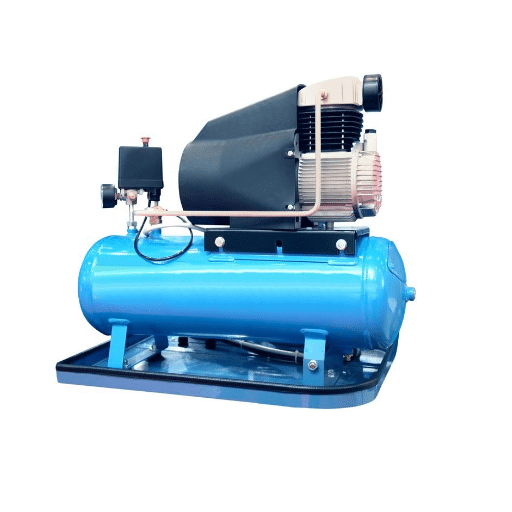
The decision of selecting the most suitable screw air compressor for your business will definitely be a critical one, and it could actually not only affect but even determine your operations, efficiency, and profits. You will have to, however, go through numerous options and factor in different considerations before you finally come to a conclusion as to the right sizing of the machine that meets your specific needs. If your business is a small workshop or a large production facility, you can always be assured of good performance and low running cost with the help of the right machine. This article will, therefore, take you through the main aspects and the steps necessary to properly size a screw air compressor, thus leading you to an informed choice and the optimization of your business operations. In case you are still reading, that means you want to learn all the necessary factors to consider in order to make the right choice for your individual requirements.
Understanding Compressor Size

What is Compressor Size?
Compressor size is the term used to describe the performance and output potential of a screw air compressor. The airflow and the pressure are the two main factors characterizing the size – airflow is in CFM (cubic feet per minute) and pressure is in PSI (pounds per square inch). By knowing the size, one can tell the quantity and the quality of air that the compressor can deliver; thus it is very important to select a compressor with the right capacity for your equipment or production process. The proper sizing guarantees efficiency, reliability, and energy savings.
Sizing an Air Compressor’s Importance
To get the best of performance out of an air compressor, the correct sizing is a must and it will also help to lower the operational costs. A small compressor might just deliver very low air flow, which would force the equipment to operate below its potential, and this could subsequently result in expensive downtime. On the other hand, a big compressor will be consuming energy needlessly; besides, the more attention and repairs the machine gets, the more the costs will go up. A recent study gives a rough estimate of the energy that poorly matched compressors take, as being quite a high percentage in the overall energy losses in industrial systems. There are many modern tools and approaches, some of which are free online, that help to get the exact CFM and PSI requirements based on equipment characteristics and user patterns, thereby enabling companies to pick the most energy-efficient compressor for their daily operations. Proper sizing is not only about functionality—it is a key factor in the realization of compressed air systems that are sustainable and cost-efficient.
Compressor Size Influencing Factors
There are many factors that significantly affect the compressor size for a given application. The most important ones are total air demand for all equipment connected, the required pressure levels (PSI), and the variations in air consumption during peak and off-peak periods. The factors such as pipe layout, the distance of the compressor from the points of use, and the possibility of future expansions must also be considered in order to have the best performance and the ability to adjust the size as the demand changes. A proper assessment of these factors will enable one to select a compressor that will not only meet the operational needs but also do so in an energy-efficient manner.
Calculating CFM Requirements
What is CFM?
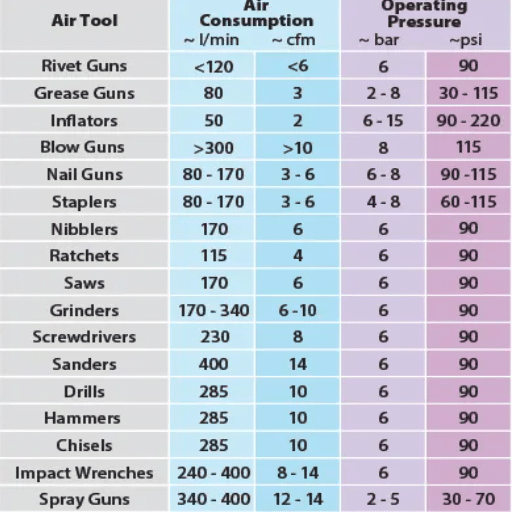
CFM, which stands for Cubic Feet per Minute, represents the airflow volume a compressor is capable of delivering during a predetermined time interval. It is, therefore, a very important indicator of the performance and volume of the compressor. CFM requirements are to be well understood for connecting the compressor’s output to the operational needs of the tools and equipment, thus ensuring a smooth operation without interruptions or drops in pressure. The process of calculating the exact CFM entails evaluating the air consumption of all connected devices, taking into account the peak usage, and the possible future expansion.
How to Use a CFM Calculator
When effectively using a CFM calculator, first find out the air tools or machines you are going to use, and then write down their individual CFM requirements mentioned by the producer. Make a list of all the tools that might be used together, because their total CFM will show how much capacity your compressor needs. After that, think about peak usage adjustments. This means taking into consideration the tools that may at times need more air than other times. Most online CFM calculators will also let you include factors such as operating pressure (PSI) and duty cycle, so that you can come up with a more accurate number.
Heeding the latest recommendations, advises users to validate their CFM calculations by consulting the opinions of professionals in the discipline or the guidelines of manufacturers for precision. Furthermore, some modern calculators can even provide insights into future enlargements based on the changing operational requirements. The trick is to supply the calculator with correct and thorough data so that it can give you trustworthy results that will not only improve your system’s performance but also extend its life.
Determining Your Airflow Needs
In order to determine your airflow needs accurately, first consider the size and layout of the ventilated space, since these elements will determine the amount of air that has to be moved for the best circulation. Think of the main function of the area, like whether it is for living, buying, or producing, because this will determine the volume of air needed. Take into consideration the people occupying the area, the appliances that produce heat, and the weather outside which may require more ventilation. Also, check if there are local building codes or industry standards you need to follow and include them in your calculations. By dealing with all these matters minutely, you will be able to come up with the right amount of airflow, the right equipment, and thus a maintenance-free, comfortable, and safe environment.
Choosing the Right Air Compressor
Types of Air Compressors
Air compressors are generally classified according to their functioning and usage. The major types are reciprocating (piston) compressors, rotary screw compressors, and centrifugal compressors. Reciprocating compressors are perfectly suited for small-scale operations which are not continuous, as they rely on the piston-cylinder mechanism to compress air. Rotary screw compressors, in contrast, are more appropriate for constant industrial use because of their high efficiency and reliability, as they use twin rotors to compress air. Centrifugal compressors, on the other hand, are made exclusively for large-scale operations, using a spinning impeller to generate huge airflow. The choice of the right type depends on a number of factors including the required pressure levels, the duty cycle, energy efficiency, and the particular needs of the application.
Choosing Between Rotary Screw and Reciprocating Compressors
The selection of rotary screw versus reciprocating compressor comes down to the application’s specific requirements. Rotary screw compressors will serve the needs of continuous, high-demand operations well due to their efficiency, low maintenance requirement, and the ability to maintain a constant airflow. They are the best choice for industrial applications that need a steady performance. However, reciprocating compressors tend to be the choice for less demanding applications, being more cost-effective and easy to fix. For areas with low-energy-use requirement and occasional service, a reciprocating compressor may be the best fit. Ultimately, the decision should be based on the factors like pressure levels, duty cycle, operating costs, and the nature of the work environment.
Understanding Required Pressure (PSI)
The first step in determining the right pressure (PSI, which stands for pounds per square inch) for a compressor is to look at the exact specifications of the tools and equipment that you will be using. Most pneumatic tools operate in a range of 70 to 120 PSI, although specialized tools may require higher or lower pressures. common application areas like air-powered nail guns, for example, typically need around 90 PSI, while heavy-duty machines like industrial sprayers or sandblasters may require even more than 120 PSI. Making an evaluation of the minimum PSI needs for your devices will guarantee their effective functioning and prevent the compressor from being overworked. Moreover, the practice of adding a safety factor—selecting a compressor with a bit more capacity than what your tools need—will ensure reliability and longevity in the long run. Before making a decision, always refer to equipment manuals to double-check the pressure requirements.
Sizing Your Compressor for Efficiency
Understanding Air Demand
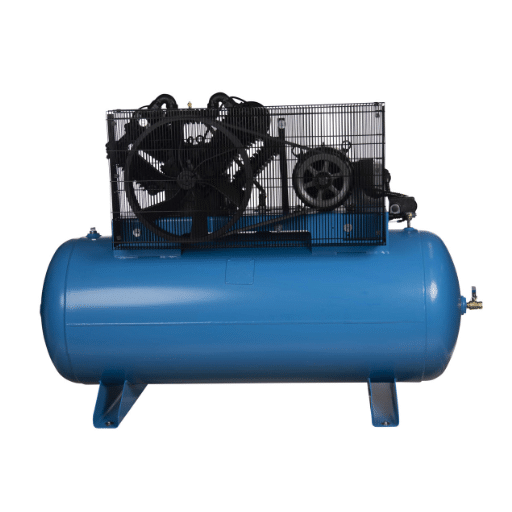
It is of utmost importance to know the air demand if you choose the right compressor to match your needs. First, estimate the total air consumption of all tools or machines that will work at the same time. Use manufacturer recommendations to find out the air consumption for each tool in cubic feet per minute (CFM). After that, take the frequency and duration of use into account to get the peak air demand, and make sure the compressor you choose can meet those requirements without losing performance. Also, consider any extra capacity for the coming years or for unforeseen demands so that there are no interruptions in work. You will be able to select a compressor that provides efficiency, reliability, and long-lasting operation by properly assessing the air demand.
Factors Affecting Flow Rate and Tank Size
The flow rate and size of the tank in an air compressor are determined by the interplay of several factors. The actual CFM needs of your tools demand the major role, as a flow rate of more air is required for high-demand devices. Furthermore, the frequency and the time of the use of the tools will decide the tank size required, as a large tank is needed to supply air continuously in case of heavy-duty or similar tasks. Environmental factors like altitude and temperature can also have a negative effect on air compressor performance and might require a change in specifications. Moreover, considering the future growth of the business or equipment to be added will help in knowing whether the compressor needs to have more capacity. Discussing these factors guarantees that there will be an ideal compromise between efficiency and output.
Common Sizing Mistakes to Avoid
Underestimating the total air demand is one of the major reasons for mistakes in sizing of compressors which could result in the device being inadequate during the peak demand. Moreover, not taking into consideration the pressure drop across the system might end up with a compressor that cannot output the necessary pressure. Another frequent mistake is that in which duty cycle or runtime requirements are ignored and, thus, the compressor might get worn-out or overheated before its scheduled maintenance. Future scalability is another area where neglect can lead to difficulties if the system is incapable of accommodating the extra equipment or demand. Finally, overlooking the environmental factors such as altitude and temperature may reduce the efficiency and lifespan of the compressor thus, emphasizing the need to be very careful in the sizing process.
Final Considerations for Compressor Sizing
Assessing Your Compressed Air System
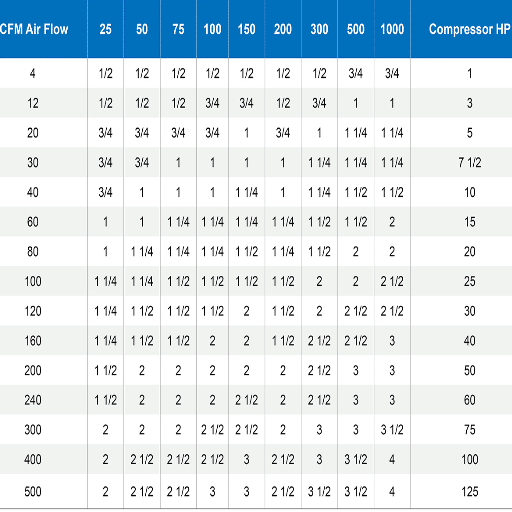
In order to carry out a proper evaluation of your compressed air system, the first thing that has to be done is to evaluate specific needs of your equipment and applications. Think about the pressure and flow rate that are needed so that the operation of all processes is not only efficient but also smooth in all cases. Check if the present installation of yours is able to deliver the mentioned parameters with or without a little stress on the system. Moreover, take a look forward to the existing and the possible future needs so that your compressor is able to provide the required scale-up. Also, consider the factors like altitude, temperature, and humidity, which are the environmental factors that can drastically impact the performance and life span of the compressor. By handling these factors thoroughly, you will be able to increase the efficiency and reliability of your compressed air system and at the same time avoid the common problems.
Long-Term Considerations for Industrial Air Compressors
Among the most ceaseless long-term concerns regarding industrial air compressors is energy efficiency since the operational energy cost usually accounts for most of the total system costs. Recent insights, reveal that selecting energy-saving models with variable-speed drives can bring about huge savings in the long run. What is more, it is the proper maintenance schedules that prevent the energy loss that otherwise would result from leaks or spoilage of parts. In addition, there is the issue of sustainability, and if this aspect is not addressed, we will be left with large compressors that, for instance, run on the environmentally harmful refrigerants but have very high efficiency energy-wise. Governments, on the other hand, would be posing strict regulations that the companies can’t meet unless they are using the energy recovery-designed compressors. Through choosing a solution that satisfies both the operational and environmental requirements, a company can always be a step ahead of its stakeholders.
Consulting with Experts for Optimal Sizing
Correctly sizing industrial machinery, more importantly, air compressors, is key to running them at their most efficient and cost-effective times. Buying a compressor with larger or smaller capacity than needed will not only waste energy and cause wear and tear but also lead to a lack of efficiency for the applications it is intended for. By going through professionals in the industry, the company can put its hand on optimum sizing that is precisely catered for its operating needs by using the specialized knowledge and the tools provided by the experts.
The experts have access to sophisticated software and data analysis that enables them to work out the necessary airflow (CFM), pressure (PSI), and duty cycle among other things to come up with the best compressor for the application. The U. S. Department of Energy has reported that around 50% of industrial plants are fitted with compressors that are larger than necessary, that cause energy inefficiency. This problem is very much alleviated when the professionals come in, because they also take into account such factors as peak demand periods, potential system expansion, and ecological restrictions.
Case in point are the consulting companies or manufacturers that usually use air audits that allow them to assess the compressed air consumption patterns in a facility and find out where improvements can be made. Their data-driven approach, along with the know-how about the latest technologies and the regulations, makes it possible for the businesses to not just be aware of the decisions they are making but to also be a step ahead in protecting their investments while at the same time lowering both the environmental and energy impacts.
Reference Sources
-
Atlas Copco USA: Offers tips on compressor sizing, focusing on airflow (CFM), pressure (PSI), and power (HP/kW) to ensure optimal performance. Visit the source1.
-
Kaishan USA: A complete guide to sizing industrial air compressors, covering essential factors for manufacturing and other applications. Visit the source2.
-
Worthington Creyssensac: Discusses how to choose the right screw compressor, including sizing, airflow, pressure requirements, and the benefits of different types of compressors. Visit the source3.
Frequently Asked Questions (FAQs)
How does choosing an air compressor affect the required air compressor size and cfm?
Choosing the right compressor basically begins with determining the total cfm your tools will require and the psi at which they must be pressurized to work properly. The cfm requirements of the tools are usually calculated (summed to total cfm or total cubic meters per hour) and a safety margin added. If you go underestimating air capacity you risk getting a small compressor that cannot keep up with the flow of compressed air, thus causing pressure drops and poor tool performance. Sizing is essential since compressor output, delivery of air, and storage (tank size) all work together to meet the highest air demand. Think whether an oil-free compressor or a rotary screw air compressor is what you need, and also consider the consequences of air dryers on air pressure and dew point.
Why would a rotary screw air compressor be the best choice for my compressed air requirements?
Rotary screw compressors continually run and usually deliver higher cfm and more constant air than reciprocating designs, hence their use as industrial air compressors and in large workspaces. Continuous duty usually incurs a lower total cost of ownership because their horsepower is synchronized with sustained air capacity rather than intermittent bursts. A rotary screw air compressor can consistently hold 175 psi or other desired pressure levels and is compatible with air dryers and air storage to meet tool cfm requirements. When selecting the right compressor, take into account the designs of compressors, their outputs, and whether an oil-free option is needed for sensitive applications. Brands such as Atlas Copco are well known for their dependable rotary screw models that help avoid an undersized compressor situation.
How can I choose a compressor that meets your needs when tools have different scfm and psi requirements?
To find out the total air consumption, list all tools with their scfm and the air pressure they will be running at and then find the peak concurrency of usage. This method of compressor sizing is the best and most reliable for selecting the right compressor. Allow for leaks, future tool purchases, and duty cycle in order to avoid getting a compressor that will be overwhelmed at peak demand. Consider air storage and a tank size that can absorb short spikes and choose higher cfm units if you often experience sudden drops in air pressure. Separate the clean air applications that require oil-free compressors from the general workshops where oil-lubed designs could be used without causing major issues. Finally, consider the compressor systems and the total cost of ownership, which includes maintenance, dryer installation, and energy consumption.
What is the significance of the knowledge about air compressor flow rate and scfm when it comes to the size?
Knowledge of air compressor flow rate, given in scfm (standard cubic feet per minute), tells you how much air a compressor can produce at a specified pressure and is the main parameter for selecting the right compressor for tool cfm requirements. Standard cubic feet per minute equalizes conditions so that you can compare the power output of different compressors and make calculations of total cfm or cubic meters per hour for your location. If the compressed air flow is insufficient for your tools, you will be dealing with a small compressor that may be continuously cycling or unable to maintain the air pressure. Always consider scfm ratings together with the required pressure (e.g., 175 psi if applicable), and include air dryers if you want dry, clean air. To avoid the risk of short cycling, choose higher cfm models or larger compressors along with the appropriate tank size.
Do I need an oil-free compressor or an oil-lubed design to deliver clean air fit for my application?
The application determines whether an oil-free compressor is necessary: medical, food or painting operations usually need oil-free compressed air to prevent contamination, while general shops can often use oil-lubricated compressors. Oil-free machines remove the possibility of oil carryover into the compressed air stream but they might have a higher initial cost and different maintenance requirements than oil-lubed ones. When selecting an air compressor, consider factors such as air dryers and filtration to comply with air quality standards. Also consider compressor output and total cfm to be sure the selected design will satisfy your compressed air needs without being undersized. There are variations among brands and compressor systems, so consider not only the initial cost but also the total cost of ownership.
What is the impact of air dryers and air storage on compressor sizing and performance?
Dryers contribute to the improvement of air quality by eliminating moisture that might be harmful to tools and processes; moreover, they barely decrease the effective air supply, thus one must consider the loss in his/her compressor sizing calculation. Air storage (tank size) absorbs sudden demands and, thus, there is no need to have a larger compressor to cater for short sparks in tool cfm requirements; besides, it also helps maintain a steady air pressure. Sizing is important because inadequate storage or missing dryers can make an otherwise correctly sized compressor seem undersized during peak use. Compressed air flow and