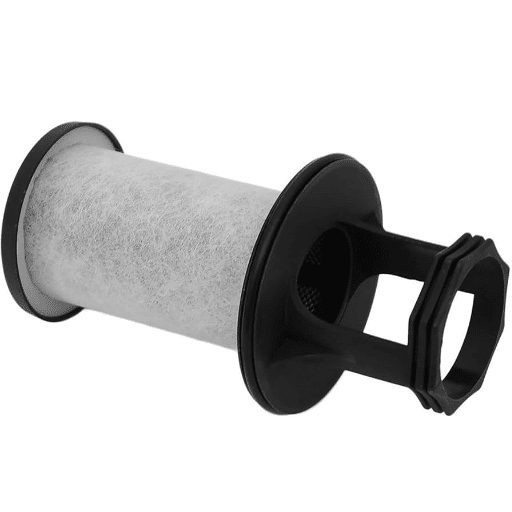
The screw compressor requires its oil separator replacement as essential maintenance work because it determines how well the system operates and how long it lasts. The oil separator performs a vital function because it ensures the correct oil separation process from compressed air which stops oil from escaping while it decreases energy usage and keeps equipment running at its best performance level. The component will become less effective because it will develop wear and clogging problems which will lead to increased compressor work demands. The guide provides a detailed process explanation for replacing the oil separator in a screw compressor system while delivering expert recommendations and helpful information which will enable a successful and efficient execution of the task. This article provides both technical information and maintenance procedures that will help both experienced technicians and facility managers maintain their screw compressors in working order.
Understanding the Oil Separator
What is an Oil Separator?
The oil separator functions as an essential element within the screw compressor system which needs to separate oil from compressed air and gas during their release from the compressor. The system’s main task involves maintaining clean compressed air which should not contain any oil particles that could harm equipment situated downstream of the system. The oil separator operates by effectively collecting oil which it sends back to the compressor lubrication system thus helping to sustain system performance while decreasing equipment damage and maintaining peak system productivity.
How Oil Separators Work in Screw Compressors
The oil separators in screw compressors separate oil from compressed air or gas through three methods which include centrifugal force and gravity and filtration. The separator receives an air-oil mixture which results in centrifugal force pushing oil droplets toward the tank’s outer walls. The gravity process enables these droplets to gather and return to the lubrication system. The remaining oil mist which consists of fine particles passes through a filtration element which captures even the tiniest particles before clean compressed air exits the system. The system achieves efficient oil recovery which also protects equipment downstream while maintaining compressor reliability.
Importance of Oil Separators in Engine Performance
Engine performance depends on oil separators because they effectively separate oil from air through the system. Modern engines in compressors and turbocharged systems use oil separators to stop oil from contaminating intake and exhaust systems which results in performance loss and equipment damage. The components operate to capture and recycle oil which leads to lower oil usage and reduced emissions and extended operational life for both the engine and oil. The correct operation of oil separators stops downstream components from becoming fouled which includes intercoolers and catalytic converters thus protecting the system’s ability to operate reliably and efficiently through time.
Signs That You Need an Oil Separator Replacement
Common Symptoms of a Failing Separator
A broken oil separator permits excessive oil leakage through engine ventilation which leads to higher oil usage.
Blue exhaust smoke occurs when oil leaks into the engine combustion chamber through a broken separator system.
The malfunctioning separator system causes engine performance problems because it creates excess oil which disrupts the normal combustion process.
The visible oil buildup in the intake manifold and hoses shows that the separator system is not operating properly.
The separator system causes critical engine component problems which the dashboard alerts display through warning lights including the check engine light.
How to Diagnose Oil Separator Issues
To diagnose oil separator issues, follow these steps:
Check for Visual Signs of Oil Leakage
The engine bay needs inspection to find oil leaks and oil residue that exists around the oil separator and its adjacent parts.
Inspect the Intake System
The intake system needs examination to find either oil buildup or oil leakage which shows that the separator does not work properly.
Monitor Engine Performance
The symptoms of reduced power and rough idling and increased exhaust smoke should be monitored because they might indicate separator failure.
Scan for Diagnostic Trouble Codes (DTCs)
The OBD-II scanner should be used to detect any error codes that relate to the crankcase ventilation system and engine performance.
Test the Oil Separator Functionality
The separator needs testing through both pressure assessment and assessment of its internal blockages and component wear.
You can use these steps to find oil separator problems and make a decision about whether to fix or replace the equipment.
Impact of a Poorly Functioning Separator on Air Quality
The oil separator fails to operate effectively because it permits too much oil vapor and particulate matter to pass through to the engine intake system and into the surrounding environment. The separator fails to remove oil from the crankcase gases which leads to increased hydrocarbon emissions from the system that result in air pollution and dangerous emissions. The situation leads to two negative effects because it creates environmental compliance issues and increases smog production which results in health problems and environmental damage. The operation of a separator which operates effectively needs to be maintained because it helps to reduce air pollution while producing cleaner air for public spaces.
Steps for Oil Separator Replacement
Preparation for Replacement
If there exists a need to change the oil separator, please make sure that the car is at a flat surface and that engine is cool so as to avoid any risk of injuries. It is suggested that you also collect any relevant machines, that will include spanners, screw drivers etcetera,oil separator. It is recommended that one should also because the location of the oil separator and also as the replacement procedure is gone too much in detail in the manufacturer procedure. To begin with, the battery should be disconnected to avoid any further electrical damages during the work. It would also be advisable to keep a pair of gloves and safety glasses in case of oil spillage or any other kind of dirt. Observance of the necessary arrangement of tools together with the precautions in place, will make work of changing the oil separator easier and secure. Ripe television service organization.
Removing the Old Oil Separator
To remove and replace the old oil separator in your engine, begin by making sure that all the existing oil is drained and the engine has had time to cool. Get a copy of your vehicle’s service manual or access it online to find out where the old oil separator you would like to change is exactly, as the location will differ with the model of the vehicle. Begin working by removing the hoses or clamps that hold the separator in place using a pair of pliers. Get rid of the relevant dismantling bolts by using the appropriate wrench or socket but be careful not to damage any item to the left or right of the one you are working on. After successfully detaching all items, the oil separator can be pulled down softly. Motion the exterior around as necessary after getting rid of any excess lubricant and other oppressive loads before putting in the new piece.
Preparing the New Separator
For fitting the new oil separator, assess compatibility with the old unit and the system. Place the equipment in its intended station and lock it using the mounting screws. Be careful not to overtighten the mounting screws as you do this. Reconnect all hoses and clips, making sure all the connections are secure and there are no leaks. Verify once more after fitting the separator that all parts are in place and that connections have been tightened. Try running the engine at this point to check if it is running properly and also examine the assembly for signs of leakage or other faults.
Maintenance Tips for Oil Separators
Regular Maintenance Practices
To keep oil separators functioning at their highest levels, it’s crucial to carry out regular inspections and maintenance. It is important to keep an eye out for possible clogs or accumulation inside the separator. Either clean or change the filters as required, in order to ensure appropriate performance. Make sure to check the condition of the seals, gaskets, and other connections, and repair them if they are degraded or leaking. If there are any damaged components, they will have to be replaced immediately. To verify that the operating pressure and fluid levels are within the specified limits, the system must be checked. It is also important to comply with the maintenance rules of the manufacturer of the machine and use only original parts and lubricants to increase the machine’s life and reduce failures.
Criteria For Choosing A Service Interval For A Separator
Optimal system performance relies on the use of time-based maintenance practices. These schedules are determined and made known to the equipment operators by the equipment’s manufacturers. And, secondly, equipment maintenance should be performed only if there is an apparent drop in the equipment’s performance or any other reason that demands equipment maintenance immediately. The latter may include performance of operation under specified working conditions, audible noises or occurrence of any visually noticeable damages such as extraordinary vibrations or liquid leaks. Where critical plant items are concerned, it is suggested that a predictable system support strategy is employed, typically every 6-12 months, depending on the system use rate, operating environment, and functionality to eliminate unnecessary plant shutdowns. To establish the correct timetable for a specific installation, it is imperative to refer to the user manual for the updated information from the device provider or contact an expert.
What advantages does regular separator maintenance offer?
Ensuring the separator is in good condition has various benefits such as a safer and productive unit, minimizes the probability of breakdown and extends the life of the equipment. Owing to the fact that every machine must lose its working efficiency, regular maintenance is performed in order to curb this problem by removing impurities, lowering consumption of energy and maintaining the good quality of the production line. Moreover, it is lessening the overall costs of operation through the prevention of breakdowns that could have been prevented, avoiding noncompliance in terms of safety and waste management, or prolonged durations of shutdowns could have been quite costly. This minimizes major damages that would have been worse in the absence of planned maintenance, the costs of operational downtime, the need for businesses to invest in advanced technology or systems and lastly, its better to maintain a machine than to replace it.
Oil Filter Change and Its Relation to Separator Performance
How to Change the Oil Filter
Locate the oil filter on the air/oil separator system after verifying the equipment is shut down and depressurized.
Spread a spill pan under the filter that may accumulate oil drips.
Wrench off the existing filter cautiously to avoid damage or debris damaging the filter installation.
Before fitting the new filter, take some oil and use it to lubricate the rubber gasket so that it fixes tightly.
Screwing in the oil filter tightly could also mean turning it by hand until it stops, rather than relying on a tool—being careful not to over-tighten it.
Fill the designated amount of the particular fluid recommended in the device and keep an eye open for any spills after operation.
Relationship Between Oil Filters and Separators
There are defined descriptions for both oil filters, separators, and the functional relationship between them in machinery and engine systems. They are designed to function harmoniously towards the promotion of efficiency and performance in the operating systems they are utilized in. Oil filters are mostly meant to remove contaminants present in engine or machine oils such as dust particles, metal shreds, and even sediment which enhances the flow of the oil which is useful in proper lubrication of the internal components. On the contrary, separators are utilized for the purpose of removing any kind of pollutants or types of fluids including water and even air from oils and thereby avoiding mixing up of multifazed fluids in a mixture. Prolonged working life, less time spent on work schedules, and high efficacy are some of the gains that machinery has had to be designed by applying the two techniques of filtration and separations as is evident in the changes in the use of technology.
Recommended Oil Filter Brands for Optimal Performance
Popular brands of automobile engine oil filters with superior filter material and filtering process are Mobil 1, Bosch, K&N, Fram, and Royal Purple. In Mobil 1, it is a fact that there is no other truth behind the scene that an engine oil filter equipped in a 1S engine with oil is one of the best ever made since you do not have to change them as often as other sequential motion Bosh oil filters fitted onto a 1S. Bosch produces very efficient filters for use with very dirty oil, on the other hand, K&N has produced filters for high efficiency in high flow applications. Fram on its part has equally cheap budget options whereas Royal Purple is designed with efficiency and quality in focus from; their synthetic filter media that is efficient and long serving. Over the years, these filter providers have made such an extensive offering of products that engine accessories fit on virtually every car and mechanism without compromising their efficiency levels.
References
Regulations.gov: A document detailing the replacement of blow-by oil separators in accordance with specific service bulletins. Read the document here.
ResearchGate: An academic paper titled “Oil Separator” by Bogaudin Khamidovich Gaitov and others, providing insights into oil separator technology. Access the paper here.
JEMS Journal: A study examining failures in marine fuel and lube oil separators, offering expert-guided insights into common issues and their effects. View the study here.
Frequently Asked Questions (FAQ)
Q: What is oil separator replacement and when should it be done?
A: Oil separator replacement means that you remove the old, and install a new oil reservoir, which serves as a PCV oil separator and separates the oil from the gases that bypass the piston rings inside the crankcase. This procedure needs to be performed if high oil consumption, leaks around the PCV or crankcase vent, poor running, and issues like oil leaking from the engine still exist after an oil change. Also […] oil separators maintenance procedures should be carried out in line with car manufacturers’ periodicity or while the car is being serviced if it has high mileage.
Q: How different is the maintenance of a separator from that of a conventional oil filter replacement?
A: It is necessary to monitor the PCV system and engine oil separator, as the latter is the element that retains the oil vapors in the mist form from the blow-by gases and does not allow them to enter the engine. Oil tread change mainly consists in fuel filtration, particle filtration that allows several stages of separation and, among the others, separator does not give the oil into the intake, calibrates sensors, does not let the carbon to accumulate in the engine. The suggested line of action not only solves the engine controls issues but also minimizes the level of the Refuse gas and oil and gas mixed in the crankcase.
Q: I can reduce the improved glmet replacement by selecting one of the available types of spares, or shal I necessary use a direct replacement?
A: It is possible to use OEM equivalent high quality aftermarket components, but only opt for top rated component manufacturers who clearly specify that their products work well with your vehicle. These are more expensive forms of the parts with the same measurements as the mechanical component used in the original design of the car which may even have certain parts covered by a warranty; though they can also be cost effective when including proper O-rings and all other fittings and fasteners. Therefore, it is fundamental to confirm the installation and operating specifications so as not to damage the engine and the crankcase ventilation system.
Q: What are common symptoms of a junked-out PCV oil seal in cars?
A: It is common to see extra deposits of oil in the intake consumables, oil may be more than normally evident when checking rooms in areas like the valve cover and separators if it is worn, oil usage is going off through the roof to alarm the user, restoration to service it was found even to a light on the dash board intervolking sending a call through via the computer. Assuming the said severally is true, note it will also lead one into mentioning issues to the auditors and arc architecture for an oil sift purchase within the maintenance department.
Q: What are the areas to be focused on when installing the oil separators, is it possible to do this yourself?
A: The application is different in each and every vehicle. Installation is easy in some cars, while in others, it may require removal of some components of the air intake system. During installation, it is necessary to make sure that all the parts and any new seals and O-rings are assembled in a correct way to seal vacuum. First, check the genuineness or the quality of the product, tighten the screws to specified torque and set the PCV control pipes in order. If in doubt, it is recommended to avoid self-servicing, and take the car to an authorized service center where repair or service of the car will be done under warranty terms, in a possibly quicker and quality manner.
Q: Will changing the oil inlet pollution separator void my new vehicle warranty or lower the pollution levels of the vehicle?
A: The use of original or better-balanced components usually maintains the vehicle’s warranty and emissions compliance. In case replacement of parts with aftermarket parts is considered, get quality units that are created for the car in order to avoid damages or any emission related issues arising; that can contribute to the warranty and even warranty provisions. It is better to keep all receipts and pertinent documents for parts as they usually list the recommended conditions so that if there are any warranty or checking questions, they can be efficiently eolved.