
Oil-Injected Screw Compressor Maintenance Schedule and Best Practices
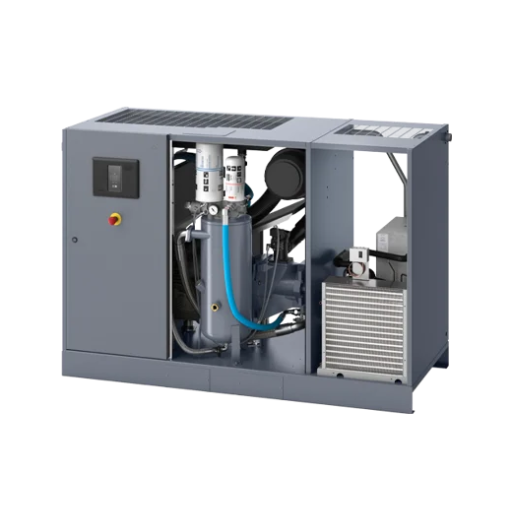
A packaging plant in the Middle East ran its 75 HP oil-injected screw compressor 6,000 hours a year. When a busy season hit, the maintenance team pushed the 4,000-hour service back “one more month.” Discharge temperature crept up, the oil degraded, and the airend seized mid-shift. The rebuild cost $14,000, and the line stood still for six days.
The scheduled service kit, which included the air filter, oil filter, separator element, and oil, cost less than $600.
This is the defining risk of oil-injected screw compressor maintenance. These units are efficient workhorses, but they depend on an oil system that quietly degrades with every running hour. The schedule below organizes every task by operating hours, with oil analysis thresholds, severe-service adjustments, and annual cost figures you can budget against.
Need genuine service kits, oil, or separators for your oil-injected compressor? Contact our team for parts and maintenance support.
Why an Oil-Injected Screw Compressor Maintenance Schedule Runs on Hours
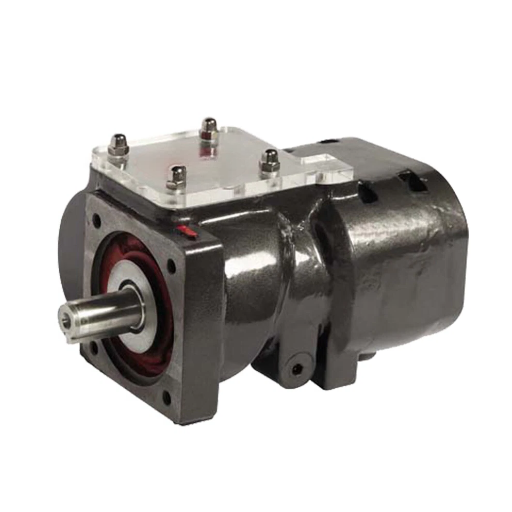
The Oil Circuit Is the Maintenance Priority
In an oil-injected (also called oil-flooded or oil-lubricated) compressor, oil does four jobs at once: it lubricates the rotors and bearings, seals the clearances between them, cools the compression process, and dampens noise. Oil circulates constantly through the airend, the separator tank, the scavenge line, the oil filter, and the cooler before returning to the injection point.
Because oil touches almost every internal surface, its condition determines the health of the whole machine. When oil oxidizes, thickens, or carries water and metal particles, wear accelerates across the airend. This is why oil-injected maintenance is, above all, oil-system maintenance, and why oil-flooded screw compressor maintenance follows the identical logic: protect the oil, protect the airend. Our complete guide to oil-injected rotary screw compressors explains the full circuit and how each component interacts.
Operating Hours Beat the Calendar
Oil-injected screw compressors wear according to running hours, not calendar dates. A machine running two shifts a week ages very differently from one running around the clock. Schedule service on the hour meter, and use calendar reminders only as a backstop for machines that sit idle.
The Cost of Letting Maintenance Slip
Industry data suggests that roughly 70% of premature airend failures trace back to neglected oil condition. The failure is expensive because the airend is the single most costly replaceable component. An airend seizure repair typically runs 40% to 60% of the price of a complete replacement, and for a 75 HP unit a new airend can cost $12,000 to $20,000, plus about two days of labor. Rental backup adds $2,000 to $4,000 per week.
Mini-story: A metal-fabrication shop in Brazil had a single 30 HP oil-injected compressor that kept triggering high-temperature alarms. The cause was a clogged oil cooler and a neglected intake filter. Cleaning the cooler and adding filters to a simple schedule cost about $40 a year more than doing nothing. It prevented a documented $3,500 airend rebuild and a week of outsourced production.
Daily Maintenance Tasks (5-10 Minutes)
Daily checks are quick, but they catch problems long before they turn into failures. Operators should log readings and flag anything outside the normal range.
Oil Level and Sight Glass
Check the oil level in the sight glass with the unit shut down, or per the manufacturer’s procedure. Wait for the oil to settle, then confirm it sits between the minimum and maximum marks. Top up only with the correct oil grade.
Temperature, Pressure, and Alarms
Read the controller for discharge temperature, discharge pressure, and any fault codes. Normal discharge temperature sits around 80°C to 95°C, with a hard shutdown usually near 105°C to 110°C. A rising trend matters more than a single reading.
Condensate Draining and Leak Walk
Drain condensate from the separator tank, receiver, and traps. This is the most commonly skipped task, and in humid climates it should be done daily. Finally, walk the unit: listen for abnormal noise or vibration, feel for hot spots, and listen for air leaks during a quiet moment.
Weekly and Monthly Tasks
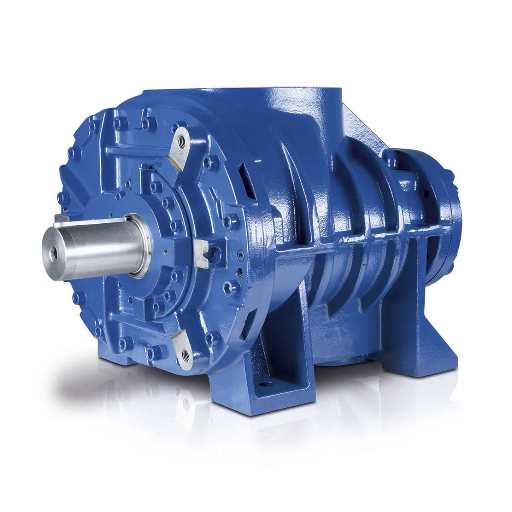
Air Filter and Cooler Cleaning
Inspect the intake air filter restriction indicator and replace the element when it enters the red zone. Clean the cooler and radiator fins, because dust on the cooler directly raises discharge temperature. In an oil-injected compressor, that heat shortens oil life.
Separator Differential Pressure
Record the air/oil separator differential pressure. A steadily rising reading signals a loading element. Plan a replacement when differential pressure approaches 0.8 to 1.0 bar. For a deeper look at this component, see our guide to the screw compressor air/oil separator.
Oil Condition and Electrical Inspection
Look at the oil through the sight glass for cloudiness, darkening, or foam. With power isolated, check visible electrical connections for tightness and discoloration, and inspect hoses and couplings.
The 500-Hour First Service (Break-In)
New machines generate break-in wear, so the first service matters more than most owners expect.
- Change the oil and oil filter to remove assembly residue and metal particles
- Re-torque pipe fittings and electrical terminals that may have loosened
- Inspect all connections for firm seating
- Take a baseline oil sample to track future trends
Most manufacturers treat the first service as mandatory for warranty coverage. Skipping it leaves break-in debris circulating through the air end.
The 2,000-Hour Service (Basic PM)
The 2,000-hour service is the backbone of the schedule. For single-shift factories, it usually lands about once a year.
| Task | Action |
|---|---|
| Air intake filter | Replace |
| Oil filter | Replace |
| Compressor oil | Replace (or confirm by oil sample) |
| Panel/cabinet filter | Replace |
| Gaskets and O-rings | Inspect and replace if worn |
| Oil sample | Take and send for analysis |
This is the interval where many plants choose to let an extra month slip. Do not. The 2,000-hour service protects the oil circuit that everything else depends on.
The 4,000-Hour Service
The 4,000-hour service adds major wear items on top of everything in the 2,000-hour list.
- Replace the air/oil separator element
- Inspect and replace drive belts or couplings as needed
- Change oil if mineral or semi-synthetic chemistry is in use
- Take and review an oil sample before deciding on the next interval
- Clean the oil cooler and aftercooler thoroughly
The separator element is the largest consumable at this interval. A worn or ruptured separator sends oil downstream, raising carryover and fouling filters and tools. If you see oil in your air lines, our guide to screw compressor oil carryover walks through the diagnostic sequence.
The 8,000-Hour Major Service
The 8,000-hour service is the deep interval. It includes everything above, plus component kits that protect the airend and control system.
- Replace the air/oil separator element
- Replace unloader valve and thermostatic valve kits
- Change to a full synthetic oil if not already in use
- Deep-clean the cooler and check control and safety devices
- Consider valve, sensor, and calibration checks
Some maintenance systems also place an overhaul inspection in the 8,000 to 12,000-hour window. The intervals nest: the 8,000-hour service includes the 4,000-hour work, which includes the 2,000-hour work. Longer intervals never replace shorter ones.
Mini-story: A textile mill in Vietnam sampled its compressor oil every six months out of habit. One report flagged water content above 100 ppm and a rising copper trend after a humid season. The team switched to a higher-grade synthetic, shortened intervals to 1,500 hours in the wet season, and added a dryer. Total spend was about $200 in analysis plus $900 in oil. The humid-weather alternative, a seized airend, would have topped $10,000.
Screw Compressor Oil Change Interval by Oil Type
The right change interval depends on oil chemistry and operating conditions.
| Oil type | Typical change interval |
|---|---|
| Mineral | 2,000-4,000 hours |
| Semi-synthetic | 3,000-4,000 hours |
| Fully synthetic (PAO) | 4,000-8,000 hours |
Common ISO viscosity grades are VG 32, VG 46, and VG 68. VG 46 suits most temperate factories, VG 32 helps cold starts, and VG 68 favors high ambient temperatures. Never mix brands or chemistries, and never use automotive engine oil. Engine oil detergents foam under compressor conditions, and foam does not lubricate. Our rotary screw compressor oil guide covers grades, chemistry, and OEM compatibility in detail.
How to Read an Oil Analysis Report
Oil sampling is the most reliable way to set an oil change interval. Sample every 2,000 hours, or at least every six months for light use, and act on the numbers.
| Indicator | Warning threshold | Action |
|---|---|---|
| Viscosity | Shift beyond ±10% (mineral) | Change oil; check temperature |
| Acid number (TAN) | Above about 2.0 mg KOH/g | Change oil; investigate oxidation source |
| Water content | Above about 100 ppm | Change oil; add or service dryer |
| Iron and copper | Rising trend | Inspect air end and bearings |
| Contaminants | Above about 5 mg per 100 ml | Change oil; check intake filtration |
A clean report can justify extending a synthetic oil change from 4,000 to 6,000 hours. A poor report means shortening it. In either case, the sample, at roughly $200 a year, is cheaper than guessing.
Adjusting Your Rotary Screw Compressor Maintenance Schedule for Severe Service
Standard intervals assume a clean, moderate environment. Real factories rarely are. Adjust the schedule as conditions demand.
| Condition | Adjustment |
|---|---|
| High dust (wood, cement, metal) | Halve filter intervals, inspect daily |
| High heat (above 35°C ambient) | Change oil at 2,000 hours; clean coolers monthly |
| High humidity (above 60%) | Shorten oil intervals to 1,500-2,000 hours |
| Continuous duty (24/7) | Follow strict hour-based intervals; sample quarterly |
| Light duty (below 4 hours/day) | Service at 3,000 hours or annually, whichever comes first |
Temperature deserves special attention. For every 10°C above normal operating temperature, oil life roughly halves. That single fact links cooler cleanliness directly to oil cost, and it is why hot-climate operators shorten their oil change interval even on synthetic oil.
Airend Life, Overhaul, and Maintenance Costs
A well-maintained oil-injected airend commonly reaches 50,000 to 100,000 running hours, or 10 to 15 years of service. Neglected units can fail within three years. Overhaul milestones often fall in the 40,000, 60,000, and 80,000-hour range depending on duty cycle and environment.
Budget preventive maintenance at roughly 5% to 10% of compressor value per year. Parts-only annual costs vary by size.
| Compressor size | Estimated annual PM (parts only) |
|---|---|
| 10-15 HP | $560−$950 |
| 25 HP | $800−$1,400 |
| 50 HP | $1,250−$2,200 |
| 100 HP | $2,500−$4,600 |
Authorized service contracts for 50 to 100 HP units typically run $1,500 to $4,000 per year and usually include oil, filters, the separator element, inspection, and priority response. Compare that against an airend failure: $12,000 to $20,000 plus downtime. Keeping energy costs down is another reason to stay current. A focused energy-efficiency program depends on clean filters and correct oil.
Safety and Building an Oil-Injected Screw Compressor Maintenance Program
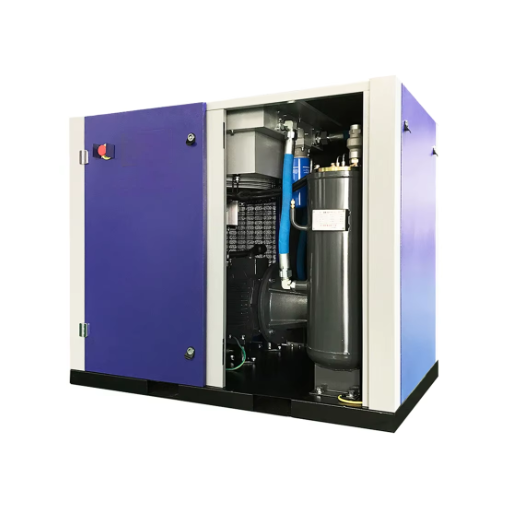
Safety Before Every Service
Before any oil or filter work, isolate the electrical supply with lockout/tagout, depressurize the package and piping, and let hot components cool. Use appropriate personal protective equipment. Never open an oil system while the machine holds pressure.
Making the Program Stick
Assign responsibility clearly: operators handle daily checks, while technicians own interval service. Oil-lubricated screw compressor service lives or dies on that division of labor, so write it down and train both groups.
Keep a maintenance log tied to the hour meter, and photograph the controller and oil sight glass monthly to reveal trends. Stock common parts on site so a service never waits on delivery. Basic tasks can be done in-house, but airend work and internal overhauls belong with a qualified technician to protect your warranty.
For a broader, all-type view of compressor servicing, our general air compressor maintenance schedule covers daily to annual tasks across compressor types.
Frequently Asked Questions
How often should an oil-injected screw compressor be serviced?
A typical schedule runs daily checks, a 500-hour first service, and then 2,000, 4,000, and 8,000-hour services. Machines in dusty, hot, or humid conditions need shorter intervals.
How often should you change the oil in a rotary screw compressor?
Mineral oil lasts about 2,000 to 4,000 hours, semi-synthetic about 3,000 to 4,000 hours, and fully synthetic oil about 4,000 to 8,000 hours. Confirm the exact interval with an oil analysis report.
What is included in a 2,000-hour screw compressor service?
The 2,000-hour service replaces the air filter, oil filter, compressor oil, and panel filter, inspects gaskets and O-rings, and takes an oil sample for analysis.
How often should you change the air/oil separator on a screw compressor?
Typical replacement is every 4,000 to 8,000 hours, or sooner if separator differential pressure approaches 0.8 to 1.0 bar or oil carryover increases.
How do I know when to change screw compressor oil?
Rely on oil analysis: viscosity shift beyond 10%, acid number above about 2.0 mg KOH/g, water above about 100 ppm, or rising wear metals all signal a change.
What happens if you don’t maintain an oil-injected screw compressor?
Neglect raises discharge temperature, degrades oil, increases energy use and oil carryover, and can destroy the airend. Roughly 70% of premature airend failures relate to overlooked oil condition.
How long does a rotary screw compressor airend last?
With proper maintenance, an airend commonly reaches 50,000 to 100,000 running hours. Neglected units may fail within 20,000 to 40,000 hours.
What is a normal discharge temperature for a screw compressor?
Normal discharge temperature is about 80°C to 95°C, with a hard shutdown typically near 105°C to 110°C. Persistent high readings point to cooler, thermostat, oil level, or ambient problems.
Conclusion
Oil-injected screw compressors reward discipline. A clear oil-injected screw compressor maintenance program built on operating hours, not calendar guesses, protects the oil circuit that keeps the airend alive. Track the hour meter, follow the 500, 2,000, 4,000, and 8,000-hour intervals, sample your oil, and adjust for dust, heat, and humidity.
The math is simple. Preventive maintenance costs a fraction of an air-end failure, and the parts are predictable. Whether you run one compressor or a plant-wide fleet, a schedule you actually follow is the difference between a machine that lasts a decade and one that fails on the worst possible day.
For genuine service kits, compressor oil, filters, and separator elements, or help building a maintenance plan for your operating conditions, contact Shandong Loyal Machinery. We support oil-injected screw compressors with worldwide parts availability and long-term service guidance.